
Understanding Pollen Season Alerts: A Guide to Managing Seasonal Allergies
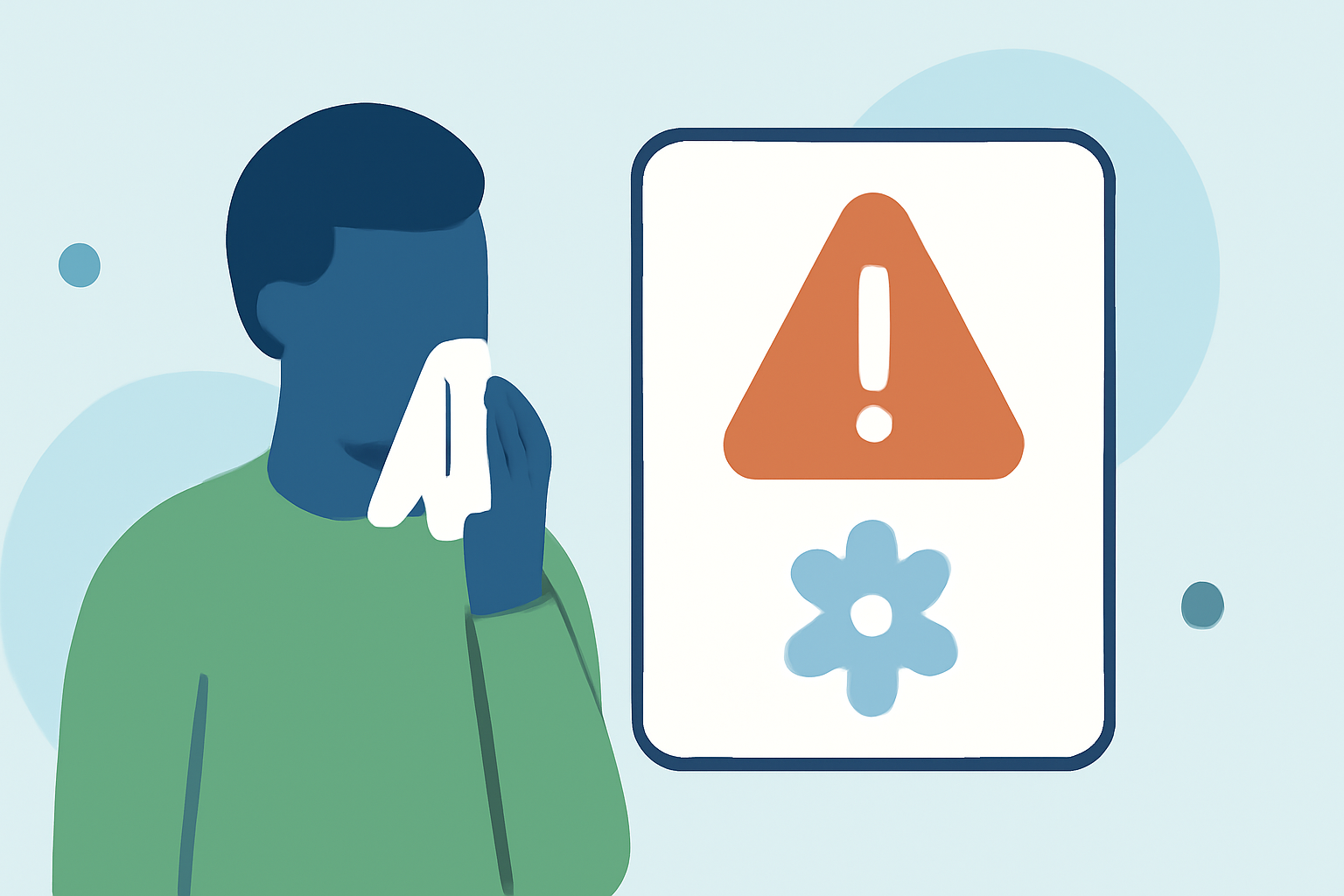
Pollen season can be a challenging time for many individuals, especially those sensitive to airborne allergens. Understanding how to monitor pollen levels and take appropriate actions can significantly alleviate symptoms and enhance your well-being.
What Is Pollen and How Does It Affect Health?
Pollen is a fine powder produced by trees, grasses, and weeds as part of their reproductive process. When inhaled, it can trigger allergic reactions such as sneezing, congestion, and itchy eyes. These symptoms are commonly associated with hay fever, also known as allergic rhinitis. In some cases, exposure to pollen can exacerbate asthma symptoms. (cdc.gov)
When Does Pollen Season Occur?
Pollen seasons vary depending on the type of pollen and geographic location:
-
Tree Pollen: Typically peaks in early spring, from February to May.
-
Grass Pollen: Generally peaks in late spring to early summer, from May to July.
-
Weed Pollen (e.g., Ragweed): Usually peaks in late summer to fall, from August to November. (mypollenpal.com)
How Are Pollen Levels Measured?
Pollen levels are quantified by counting the number of pollen grains in a cubic meter of air. This count is often reported on a scale ranging from low to very high, indicating the potential severity of allergic reactions. (healthline.com)
How Can You Monitor Pollen Levels?
Staying informed about local pollen counts is crucial for managing allergy symptoms. Here are some effective methods:
-
Weather Forecasts: Many local weather services provide daily pollen count updates.
-
Specialized Apps and Websites: Platforms dedicated to allergy information offer real-time pollen counts and forecasts.
-
Health Organizations: Websites of health organizations often feature pollen count information and related resources.
What Are the Benefits of Monitoring Pollen Levels?
By keeping track of pollen counts, you can:
-
Plan Outdoor Activities: Choose times when pollen levels are lower to minimize exposure.
-
Manage Symptoms Proactively: Adjust medication or preventive measures based on forecasted pollen levels.
-
Stay Informed: Understand trends and patterns in pollen levels to better anticipate and manage your allergies.
How Can Clime Assist in Managing Pollen Season Alerts?
Clime offers a comprehensive solution for monitoring pollen levels, providing real-time updates and forecasts tailored to your location. With Clime, you can receive timely alerts about high pollen days, enabling you to take preventive measures and manage your symptoms effectively. The platform's user-friendly interface ensures that you stay informed and prepared throughout the pollen season.
What Are Effective Strategies to Reduce Pollen Exposure?
Implementing the following strategies can help minimize pollen exposure:
-
Stay Indoors During High Pollen Times: Limit outdoor activities when pollen counts are elevated, typically in the morning and on dry, windy days. (medlineplus.gov)
-
Keep Windows Closed: Use air conditioning to filter indoor air and prevent pollen from entering your home.
-
Shower and Change Clothes After Being Outdoors: This helps remove pollen from your skin and hair.
-
Use High-Efficiency Particulate Air (HEPA) Filters: Install HEPA filters in your home's heating and cooling systems to trap pollen particles.
When Should You Seek Medical Advice?
If your allergy symptoms are severe, persistent, or not well-controlled with over-the-counter medications, it's advisable to consult a healthcare professional. They can provide personalized treatment plans, which may include prescription medications or allergy shots. (my.clevelandclinic.org)
By proactively monitoring pollen levels and implementing effective management strategies, you can significantly reduce the impact of pollen season on your health and daily life.
Highlights:
- Pollen and Your Health | Climate and Health | CDC, Published on Friday, March 01
- Get ready for allergy season - Harvard Health, Published on Sunday, March 31
- Pollen Allergy: Causes, Symptoms & Treatment, Published on Sunday, November 19