
Understanding Pollen Season and Its Impact on Your Commute
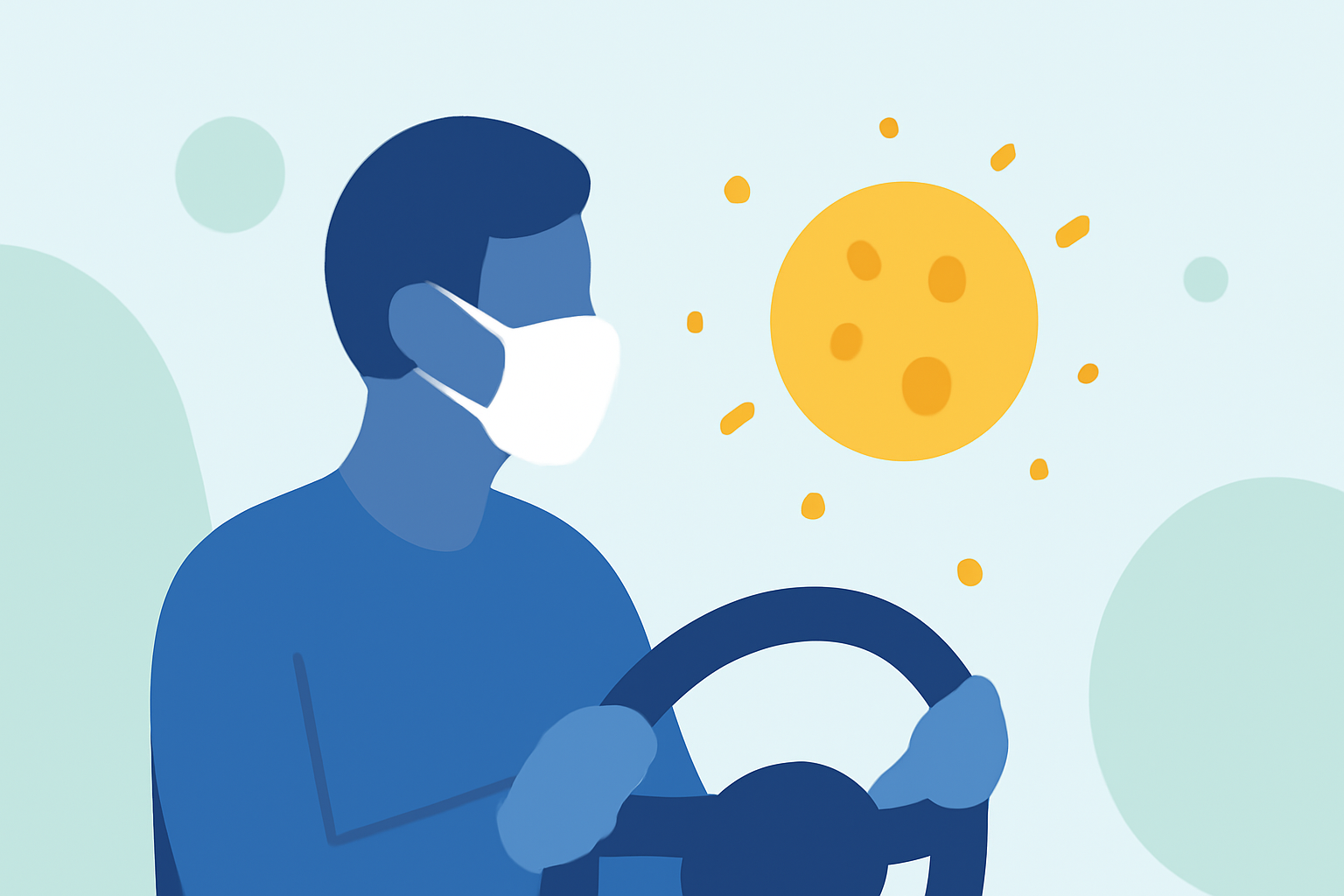
Pollen season significantly influences daily commutes across the United States, affecting both the environment and individuals' health. Understanding its patterns and implementing effective strategies can help mitigate its impact.
What Is Pollen Season and When Does It Occur?
Pollen season refers to periods when plants release pollen into the air, leading to increased pollen counts. In the U.S., this typically occurs in spring and fall, with variations depending on regional flora. Climate change has caused shifts in precipitation patterns, more frost-free days, warmer seasonal air temperatures, and more carbon dioxide (CO₂) in the atmosphere, leading to earlier and longer pollen seasons. (hhs.gov)
How Does Pollen Season Affect the Environment?
During pollen season, elevated pollen levels can lead to hazy conditions, reduced air quality, and increased allergen presence in the environment. This can result in discomfort for individuals sensitive to pollen and may also affect visibility and overall air quality.
How Does Pollen Season Impact Your Commute?
Pollen season can affect your commute in several ways:
-
Allergen Exposure: High pollen counts can lead to increased exposure to allergens, causing discomfort and health issues for sensitive individuals.
-
Air Quality: Elevated pollen levels can degrade air quality, leading to hazy conditions and reduced visibility.
-
Vehicle Maintenance: Accumulated pollen on vehicles can obstruct air filters and reduce engine efficiency.
How Can You Manage Pollen Exposure During Your Commute?
To minimize the impact of pollen during your commute:
-
Monitor Pollen Levels: Stay informed about local pollen counts to plan your commute accordingly.
-
Choose Optimal Commute Times: Pollen levels are typically higher in the morning; consider adjusting your commute to times when pollen counts are lower.
-
Keep Windows Closed: During high pollen periods, keep vehicle windows closed to prevent pollen from entering.
-
Use Air Purifiers: Utilize vehicle air purifiers to reduce indoor pollen levels.
-
Regular Vehicle Maintenance: Ensure your vehicle's air filters are clean and functioning properly.
How Can Clime Help You Navigate Pollen Season?
Clime offers real-time pollen forecasts, allowing you to plan your commute effectively. By providing accurate pollen data, Clime helps you make informed decisions to minimize exposure and discomfort during your daily travels.
FAQs
What are the peak pollen seasons in the U.S.?
Pollen seasons in the U.S. typically occur in spring and fall, with variations depending on regional flora. Climate change has caused shifts in precipitation patterns, more frost-free days, warmer seasonal air temperatures, and more carbon dioxide (CO₂) in the atmosphere, leading to earlier and longer pollen seasons. (hhs.gov)
How can I reduce pollen exposure during my commute?
To minimize pollen exposure:
-
Monitor Pollen Levels: Stay informed about local pollen counts to plan your commute accordingly.
-
Choose Optimal Commute Times: Pollen levels are typically higher in the morning; consider adjusting your commute to times when pollen counts are lower.
-
Keep Windows Closed: During high pollen periods, keep vehicle windows closed to prevent pollen from entering.
-
Use Air Purifiers: Utilize vehicle air purifiers to reduce indoor pollen levels.
-
Regular Vehicle Maintenance: Ensure your vehicle's air filters are clean and functioning properly.
How does Clime assist with pollen season management?
Clime provides real-time pollen forecasts, allowing you to plan your commute effectively. By offering accurate pollen data, Clime helps you make informed decisions to minimize exposure and discomfort during your daily travels.
By understanding the dynamics of pollen season and utilizing tools like Clime, you can navigate your daily commute with greater comfort and awareness.