
Understanding Pollen Seasons and Their Impact on Health
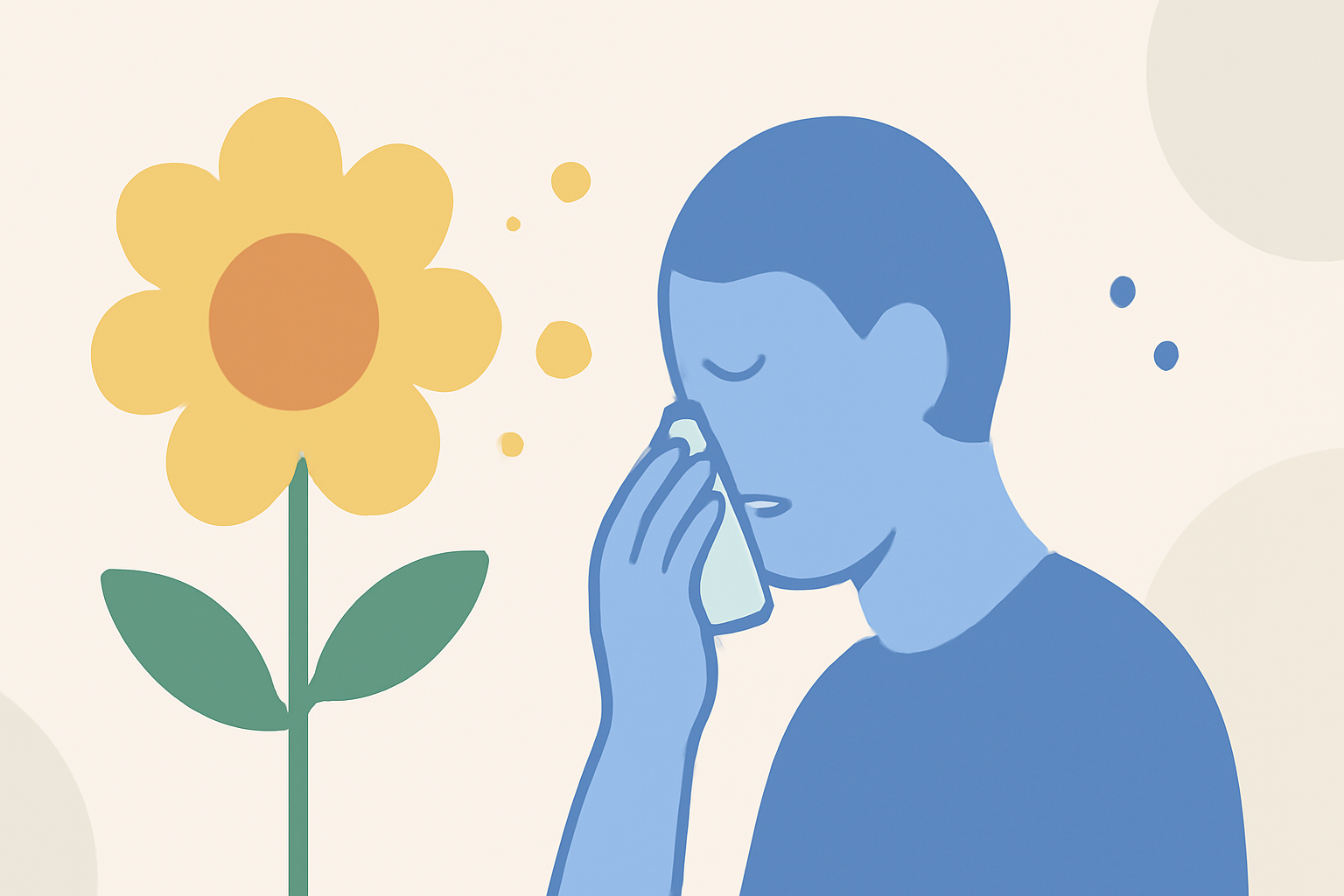
Pollen seasons in the United States are becoming longer and more intense due to climate change. (hhs.gov) This shift has significant implications for public health, particularly for individuals with allergies and asthma. Understanding these changes and having access to accurate, real-time information is crucial for managing symptoms and making informed decisions.
What Are Pollen Seasons?
Pollen seasons refer to specific times of the year when certain plants release pollen into the air, leading to increased pollen concentrations. In the U.S., these seasons are generally categorized as follows:
- Tree Pollen Season: Typically runs from February through May, peaking in March and April.
- Grass Pollen Season: Follows in May through July.
- Weed Pollen Season: Especially ragweed, peaks in August through October.
(mypollenpal.com)
How Has Climate Change Affected Pollen Seasons?
Climate change has led to shifts in precipitation patterns, more frost-free days, warmer seasonal air temperatures, and increased carbon dioxide levels. (hhs.gov) These changes have resulted in:
- Earlier Start of Spring: On average, the start of spring has occurred earlier in the contiguous United States since 1984.
- Longer Pollen Seasons: Nationwide, total pollen amounts increased up to 21% between 1990 and 2018, with the greatest increases recorded in Texas and the Midwest. (hhs.gov)
What Are the Health Implications?
The extension and intensification of pollen seasons can exacerbate allergy and asthma symptoms. For instance, ragweed pollen season has grown longer at 10 of the 11 locations studied between 1995 and 2015. (19january2017snapshot.epa.gov)
How Can Clime Help?
Staying informed about pollen levels is essential for managing health during pollen seasons. Clime offers advanced tools to assist you:
- Real-Time Pollen Forecasts: Clime provides up-to-date pollen forecasts, helping you plan outdoor activities and minimize exposure.
- Hyperlocal Data: With city-level precision, Clime accounts for local vegetation, weather patterns, and geographic factors to deliver accurate pollen information.
- Smart Alerts: Receive personalized notifications when pollen levels spike in your area, ensuring you're always prepared.
Conclusion
Understanding the dynamics of pollen seasons and their health implications is vital. With Clime's advanced tools, you can stay informed and take proactive steps to protect your health during pollen seasons.