
Understanding the Impact of Poor Air Quality on Sleep and How to Monitor It with Your iPhone
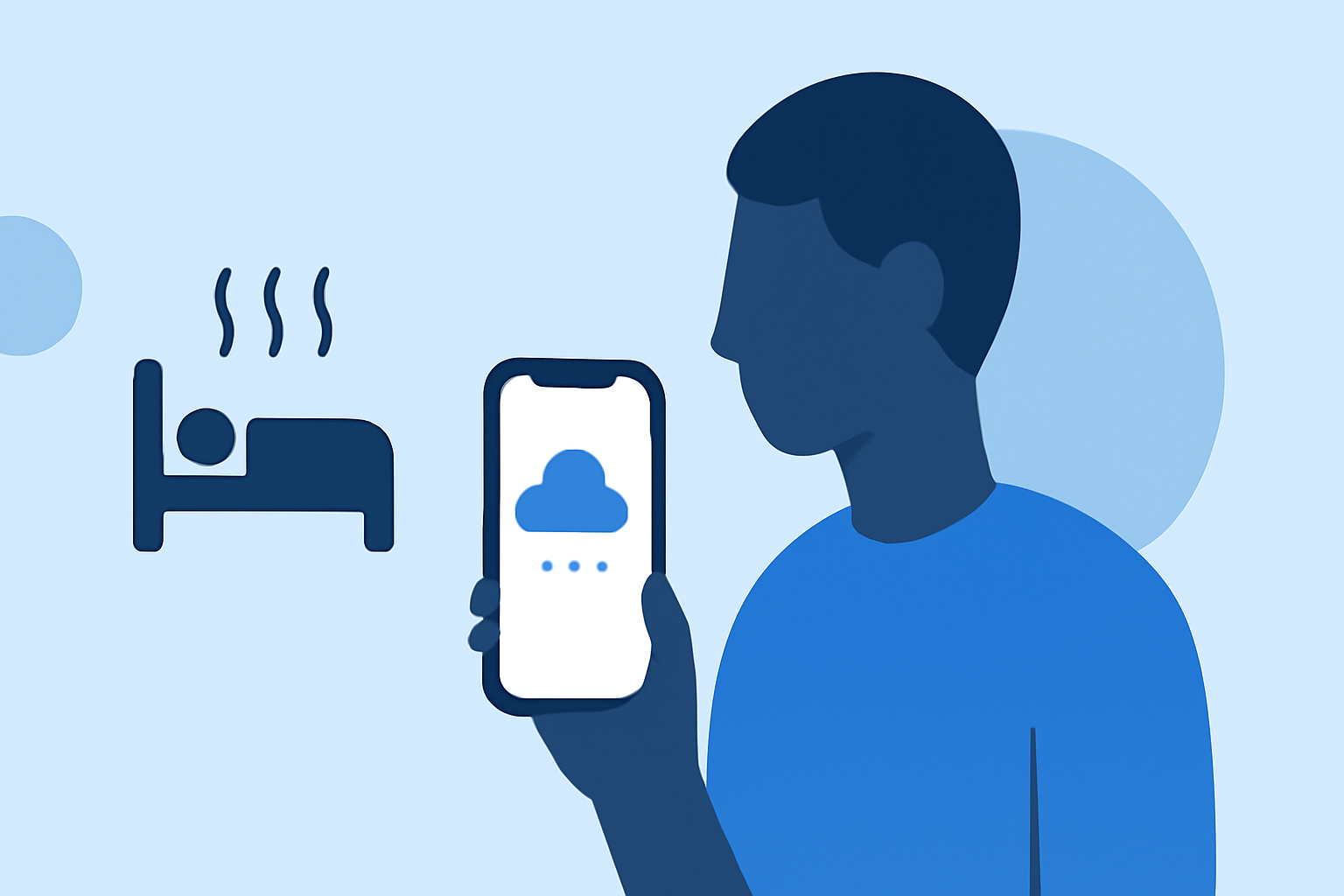
Air quality plays a crucial role in determining the quality of your sleep. Exposure to pollutants such as dust, mold, and particulate matter can disrupt sleep patterns, leading to health issues like respiratory problems and fatigue. Monitoring air quality is essential, and with your iPhone, you can stay informed and take proactive steps to ensure a healthier sleep environment.
How Does Poor Air Quality Affect Sleep?
Breathing in polluted air during sleep can lead to various health problems, including:
-
Respiratory Irritation: Exposure to pollutants can irritate the eyes, nose, and throat, causing coughing, wheezing, and increased asthma attacks. (hopkinsmedicine.org)
-
Sleep Disruption: Airborne irritants can cause micro-arousals during sleep, leading to fragmented sleep cycles and reduced sleep quality. (aussiepharmadirect.com.au)
-
Increased Health Risks: Long-term exposure to poor air quality is linked to cardiovascular diseases, lung cancer, and other serious health conditions. (hopkinsmedicine.org)
How Can You Monitor Air Quality Using Your iPhone?
Monitoring air quality is essential for maintaining a healthy sleep environment. Your iPhone can assist in this process through various methods:
-
Air Quality Index (AQI) Apps: Several apps provide real-time AQI data for your location, helping you stay informed about current air quality levels.
-
Weather Apps: Many weather applications include AQI information, offering a comprehensive view of environmental conditions.
-
Smart Home Integration: If you have smart home devices like air purifiers, some can be controlled via iPhone apps, allowing you to adjust settings based on air quality readings.
What Steps Can You Take to Improve Air Quality for Better Sleep?
Improving indoor air quality can significantly enhance sleep quality. Consider the following actions:
-
Use Air Purifiers: Devices equipped with HEPA filters can remove airborne pollutants, allergens, and particles, creating a cleaner sleep environment. (sleepfoundation.org)
-
Maintain Proper Ventilation: Ensure your bedroom is well-ventilated to allow fresh air circulation, which helps reduce indoor pollutant levels.
-
Regular Cleaning: Dust and vacuum your bedroom regularly to minimize allergens and dust mites that can affect air quality.
-
Monitor Humidity Levels: Keep indoor humidity between 30-50% to prevent mold growth and dust mite proliferation.
How Does Clime Help in Monitoring Air Quality?
Clime offers a comprehensive solution for monitoring and improving indoor air quality, which is vital for quality sleep. By integrating Clime's services, you can access real-time air quality data, receive alerts about changes in air quality, and control connected devices to enhance your sleep environment. This proactive approach ensures that you are always informed and can take immediate action to maintain a healthy and restful sleep setting.
Conclusion
Understanding the impact of poor air quality on sleep is essential for overall health and well-being. By utilizing your iPhone to monitor air quality and implementing strategies to improve your sleep environment, you can achieve better sleep quality and reduce health risks associated with poor air quality. Clime's comprehensive solutions further empower you to take control of your indoor air quality, ensuring a healthier and more restful night's sleep.