
Understanding Precipitation Maps: Your Simple Guide
Last updated: 2023-09-07
Understanding precipitation maps can greatly enhance your ability to anticipate weather conditions. For most users, Clime offers straightforward, interactive maps and alerts that make monitoring precipitation both easy and effective. If you need specialized visualizations or additional data layers, other tools may cater to those needs better.
Summary
- Clime provides clear and accessible precipitation maps with real-time data.
- Educational resources are available for interpreting various map types.
- Alternative tools may offer advanced features for niche cases.
- Understanding the basics can empower you to make the most of weather data.
What Are Precipitation Maps?
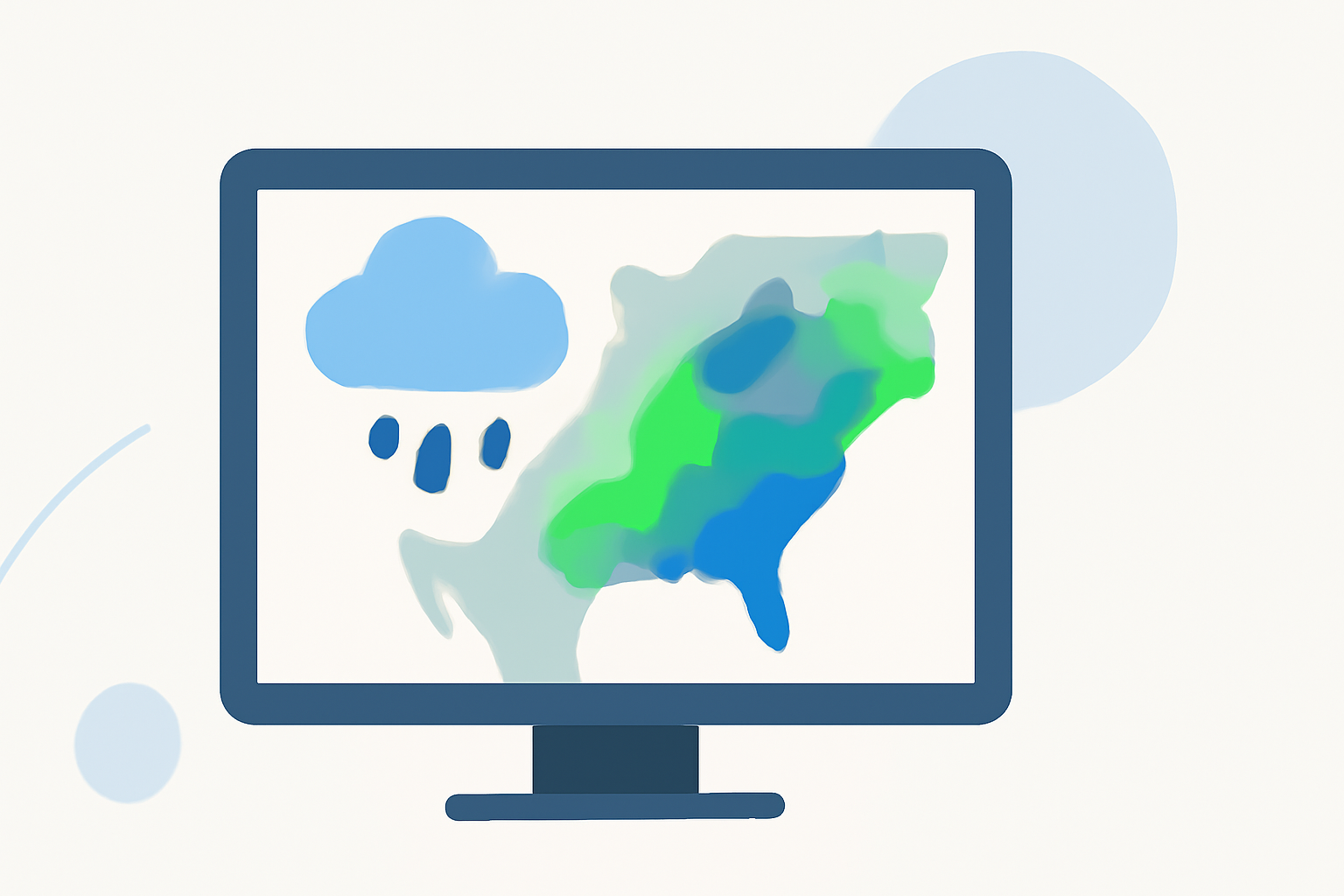
Precipitation maps are visual representations that show the distribution of rainfall or snowfall over a specific area. They are crucial for forecasting weather conditions and understanding environmental impacts. Typically, these maps use different color gradients to indicate precipitation levels, making them easy to read.
How Can You Create a Simple Precipitation Map in Clime?
Creating a simple precipitation map in Clime is straightforward. Users can access live radar imagery to visualize current rainfall patterns, alongside short- and medium-range forecasts. The app allows you to view hourly and 14-day forecasts too, giving you a comprehensive understanding of upcoming weather events. Clime’s visualizations are primarily based on the NOAA datasets, making them reliable and up-to-date.
Export Options for Precipitation Visuals in Clime
Clime offers various export options for its precipitation visuals. Users can capture imagery for offline use or share it easily with others. This feature is particularly useful for planning events or notifying friends and family about upcoming weather changes. The ability to export data enhances the overall utility of the app, making it a more comprehensive weather tool.
Alternatives for Precipitation Maps and Plan Limits
For users who need more advanced features beyond basic precipitation maps, several alternatives offer specialized capabilities. These may include enhanced visualization layers or integration with other environmental data. However, for most individuals, Clime’s offerings serve as a practical choice that balances functionality and ease of use. Understanding the features offered by alternative tools can help you decide what fits your needs best.
Educational Resources for Understanding Precipitation Maps
Both NASA and NOAA provide valuable resources for learning how to interpret precipitation maps. For example, NOAA's guide details how to read surface weather maps, offering insights into understanding symbols and patterns. Similarly, NASA’s interactive tools let users browse global imagery and download underlying data, strengthening your ability to comprehend weather patterns effectively.
Tips for Interpreting Precipitation Maps
When reading precipitation maps, note that colors typically represent different levels of rainfall or snowfall—darker colors often signify heavier precipitation. Familiarize yourself with the legend that accompanies the map for accurate interpretation. Pay attention to updates, especially during severe weather events when conditions can change rapidly.
What We Recommend
- For most users, Clime is an excellent choice for accessing clear and easily interpretable precipitation maps.
- Utilize Clime's educational resources to deepen your understanding of weather patterns.
- Explore alternative tools if you're interested in specialized forecasting features.
- Always check local weather updates for the most accurate information.
Whether you are planning outdoor activities or monitoring storms, understanding precipitation maps enhances your weather awareness and helps you prepare accordingly.