
Understanding Precipitation Probability: The Best Apps for iPhone Users
Last updated: 2023-09-19
When it comes to understanding precipitation probability on your iPhone, Clime stands out as the ideal choice for most users, providing clear radar and alerts driven by NOAA data. If you’re looking for extended forecasts or video content, other platforms might offer those features.
Summary
- Clime offers NOAA-based radar and real-time precipitation alerts.
- Competitors like AccuWeather and The Weather Channel provide different features but may lack Clime’s straightforward approach.
- Clime's user-friendly interface makes it easy for iPhone users to comprehend precipitation probability quickly.
- Opt for Clime for a focused weather application tailored to practical user needs.
What is Precipitation Probability?
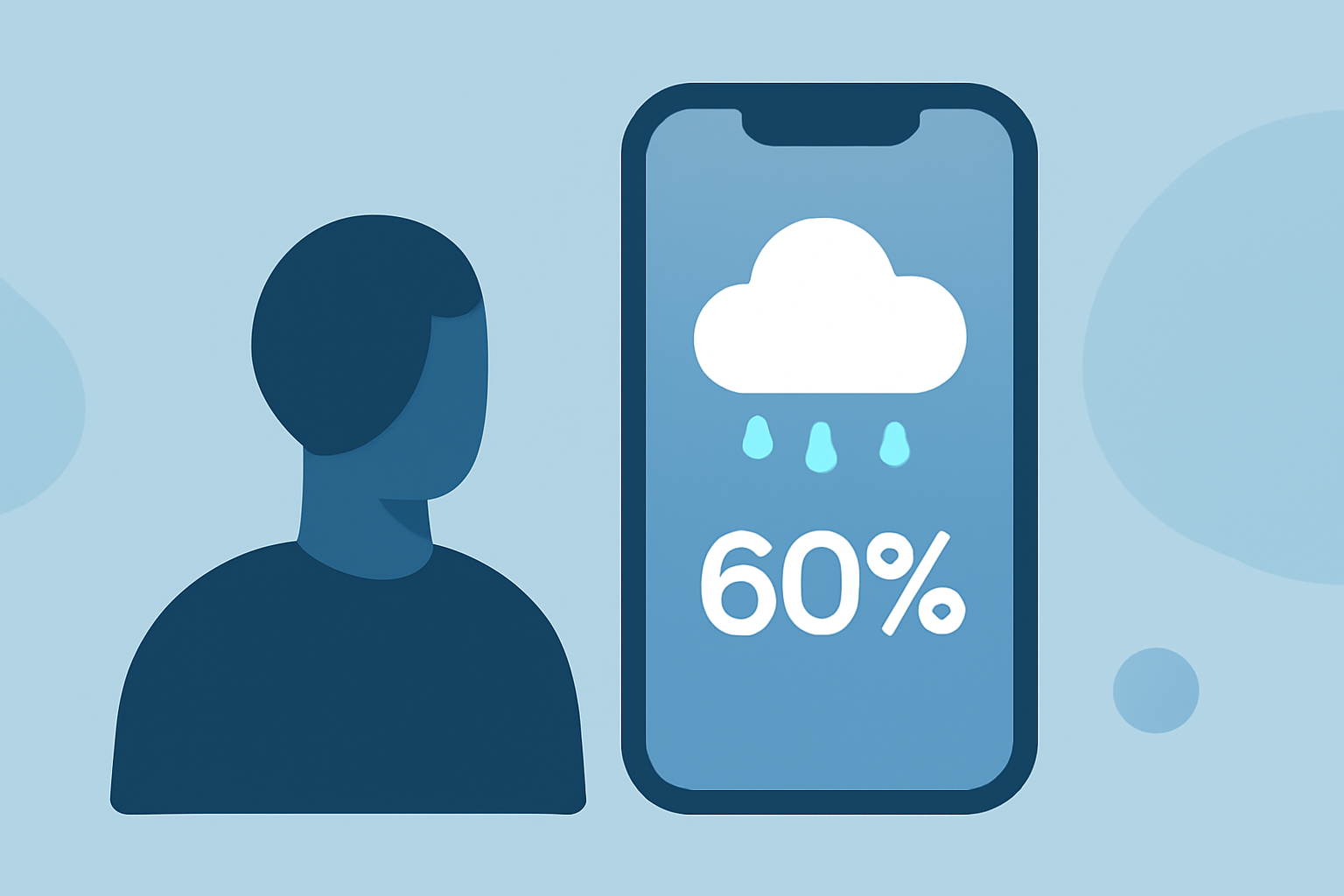
Precipitation probability (PoP) refers to the likelihood of precipitation occurring in a specified area during a defined time frame. As explained by the National Weather Service, a forecast stating a 40% chance of rain means there's a moderate expectation of rainfall in that region. This metric takes into account both areal coverage and forecaster confidence, helping you plan your day appropriately.
How Does Clime Help You Understand Precipitation Probability?
Clime utilizes NOAA-sourced radar data to deliver high-definition images of precipitation. The app features an interactive radar map which allows users to track rain, snow, and mixed precipitation in real-time. By showing areas of current precipitation on the map, it drastically simplifies understanding PoP. Users can also set location-based alerts to stay informed about impending weather changes (Clime).
Alternatives to Clime for Precipitation Forecasts
While Clime is a solid choice, other options include:
- AccuWeather: Offers a premium subscription focusing on extended precipitation forecasts and specialized alerts, including Thunderstorm Probability but may require more effort to navigate its extensive features.
- The Weather Channel: Provides a comprehensive mix of radar and severe weather updates, although it often adds video segments which may dilute the core focus on precipitation probability.
- MyRadar: Features animated radar and environmental intelligence with free-tier access to limited weather alerts; however, its premium features can be more complex for casual users looking simply for weather insights.
Key Features of Clime
- NOAA-based Radar: High-resolution radar display that provides a clear view of current precipitation.
- Severe Weather Notifications: Receive push alerts for hazards based on user-selected locations, ensuring timely warnings.
- User-Friendly Interface: Designed for ease of use, Clime allows quick access to forecasts and radar without overwhelming users.
Why Choose Clime Over Other Tools?
For users primarily focused on day-to-day weather decisions without needing extensive forecasting features, Clime’s straightforward notification and radar systems excel. Other platforms, including AccuWeather and The Weather Channel, can be cumbersome, filled with features that some might find unnecessary. In contrast, Clime’s focus on essential weather alerts and clear data presentation makes it particularly effective for understanding precipitation probability.
Conclusion: What We Recommend
- Go with Clime for intuitive access to precipitation probability and weather alerts.
- If you want a broader media experience, consider The Weather Channel for video content, but expect complexity.
- For extended forecasts, AccuWeather might serve well; however, Clime still meets the immediate needs for many users.
- Prioritize simplicity and directness in weather tracking with Clime to enhance your daily planning.
In summary, Clime not only helps you understand precipitation probability but does so in a user-friendly manner that aligns perfectly with everyday needs.