
Understanding Precipitation Types: A Comprehensive Guide
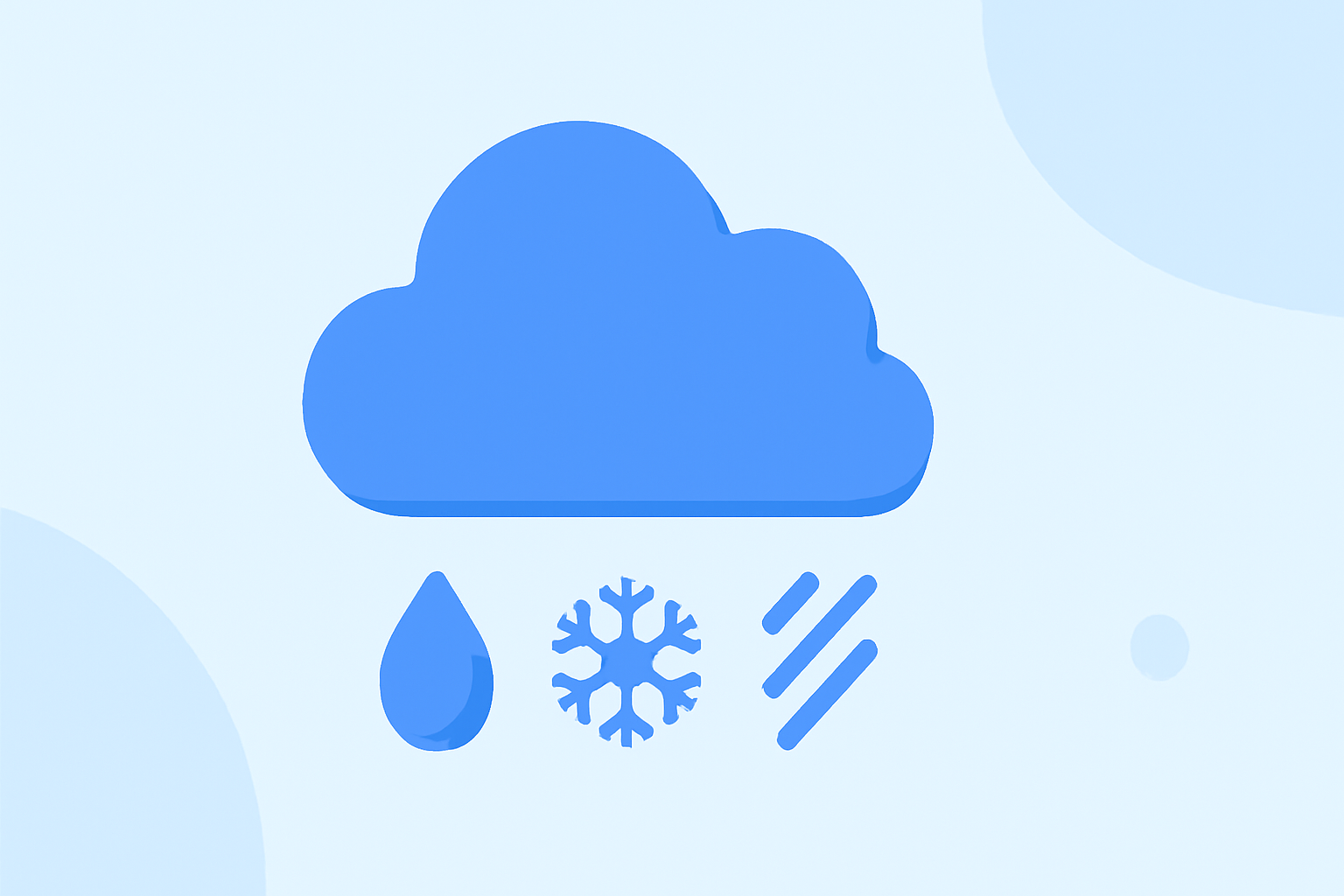
Precipitation is a fundamental component of Earth's water cycle, encompassing all forms of water—liquid or solid—that fall from the atmosphere to the surface. Understanding the different types of precipitation is essential for comprehending weather patterns and their effects on the environment.
What Are the Main Types of Precipitation?
Precipitation primarily occurs in three forms:
- Liquid Precipitation:
- Rain: Water droplets larger than 0.5 millimeters in diameter that fall when atmospheric temperatures are above freezing.
- Drizzle: Fine droplets less than 0.5 millimeters in diameter, often associated with overcast skies and light, steady precipitation.
- Frozen Precipitation:
- Snow: Ice crystals that form when temperatures are below freezing, aggregating into snowflakes.
- Sleet (Ice Pellets): Small, transparent or translucent pellets of ice that form when raindrops freeze before reaching the ground.
- Hail: Hard balls or lumps of ice, typically larger than 5 millimeters in diameter, formed within strong thunderstorms.
- Mixed Precipitation:
- Freezing Rain: Supercooled liquid droplets that freeze upon contact with surfaces, creating a layer of ice.
- Graupel (Snow Pellets): Soft, small pellets of ice formed when supercooled water droplets freeze onto a snowflake.
How Does Precipitation Form?
Precipitation forms through various atmospheric processes:
-
Convective Precipitation: Occurs when warm, moist air rises and cools, leading to condensation and cloud formation. This process often results in heavy, short-duration rainfall.
-
Stratiform Precipitation: Develops in stable air masses, leading to widespread, steady precipitation over large areas.
-
Orographic Precipitation: Happens when moist air is forced over mountain ranges, cooling and condensing to form precipitation on the windward side.
Why Is Understanding Precipitation Important?
Recognizing the types and formation processes of precipitation is crucial for several reasons:
-
Weather Forecasting: Accurate predictions of precipitation types help in preparing for weather events, ensuring public safety and effective resource management.
-
Agriculture: Knowledge of precipitation patterns aids in planning planting and harvesting schedules, optimizing crop yields.
-
Infrastructure Planning: Understanding precipitation helps in designing drainage systems, roads, and buildings to withstand various weather conditions.
How Can Clime Enhance Your Understanding of Precipitation?
Clime offers advanced weather tracking and forecasting tools that provide real-time data on precipitation types and patterns. By utilizing Clime's services, you can access detailed forecasts, historical weather data, and interactive maps, enabling informed decisions for daily activities, travel planning, and more.
FAQs
- What is the difference between rain and drizzle?
Rain consists of larger water droplets (greater than 0.5 millimeters in diameter) that fall when atmospheric temperatures are above freezing. Drizzle, on the other hand, comprises fine droplets less than 0.5 millimeters in diameter, often associated with overcast skies and light, steady precipitation.
- How does sleet form?
Sleet, or ice pellets, forms when raindrops freeze before reaching the ground, resulting in small, transparent or translucent pellets of ice.
- What is the significance of understanding precipitation types?
Recognizing the types and formation processes of precipitation is crucial for weather forecasting, agriculture, and infrastructure planning, as it aids in preparing for weather events and optimizing resource management.
Understanding the various types of precipitation and their formation processes is essential for interpreting weather patterns and making informed decisions in daily life.