
Understanding Precipitation Types and Ensuring Pet Safety
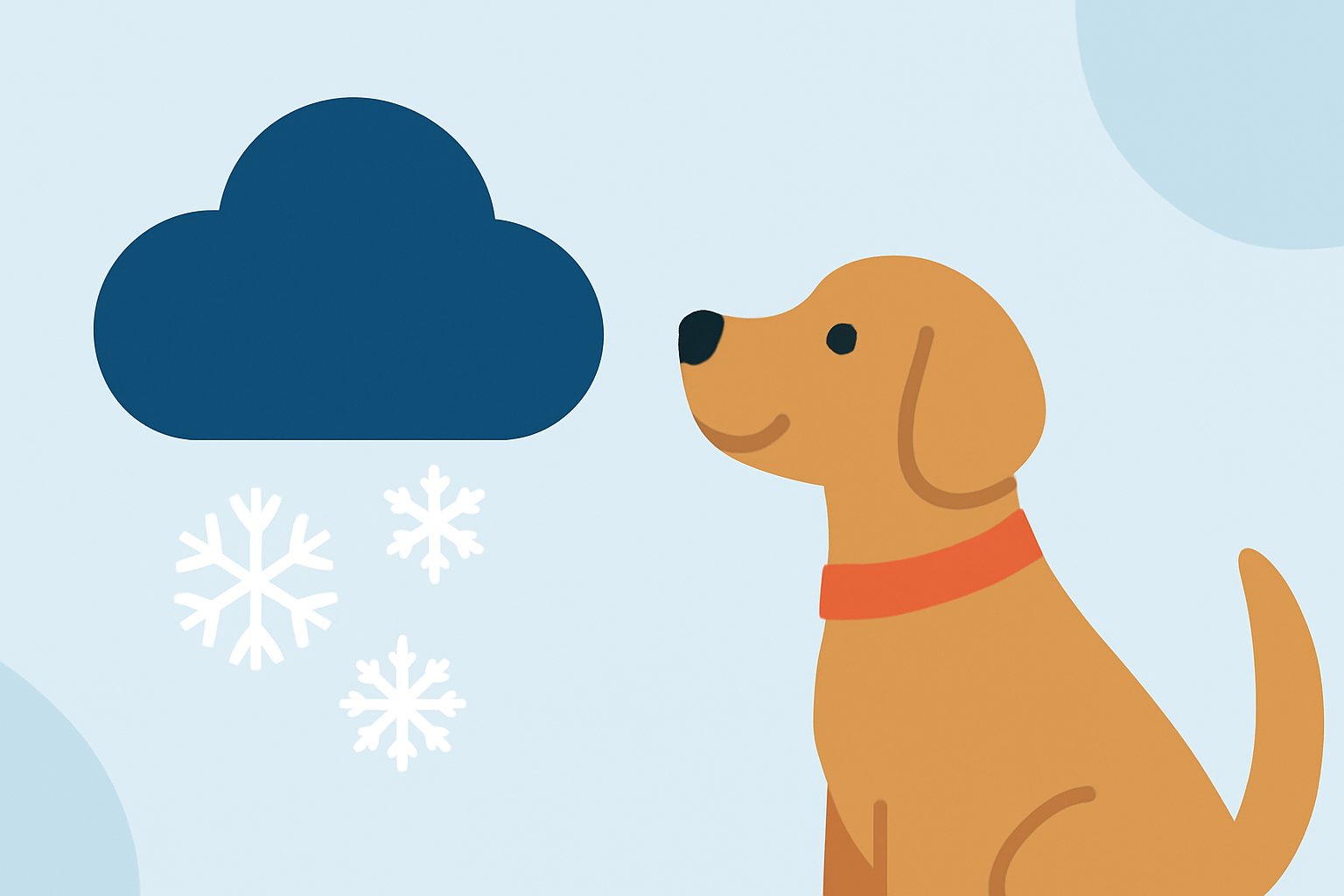
As a pet owner, understanding the different types of precipitation and their potential impacts on your pets is essential for their safety and well-being.
What Are the Main Types of Precipitation?
Precipitation refers to any form of water that falls from the atmosphere to the Earth's surface. The primary types include:
-
Rain: Liquid water droplets that form when atmospheric temperatures are above freezing.
-
Snow: Ice crystals that fall when the atmosphere is cold, typically below 0°C (32°F).
-
Sleet: Small ice pellets that form when raindrops freeze before reaching the ground.
-
Hail: Large balls or irregular lumps of ice that form in strong thunderstorms.
Each type of precipitation occurs under specific atmospheric conditions and can have varying effects on the environment and your pets.
How Does Precipitation Affect Pets?
Different forms of precipitation can pose unique challenges for pet owners:
-
Rain: Wet conditions can lead to discomfort and potential health issues for pets.
-
Snow: Cold temperatures and snow accumulation can cause hypothermia and frostbite in pets.
-
Sleet and Freezing Rain: These conditions create slippery surfaces, increasing the risk of falls and injuries for pets.
-
Hail: Hailstones can cause physical injuries to pets if they are caught outside during a hailstorm.
What Are the Risks of Rain for Dogs?
Rainstorms can present several dangers for dogs:
-
Low Visibility and Noise: Heavy rain can reduce visibility, making it difficult for drivers to see pets, and loud thunder can cause anxiety, leading dogs to run away.
-
Puddles and Waterborne Diseases: Stagnant water in puddles can contain harmful bacteria like leptospirosis, which can be transmitted to dogs through ingestion or contact with open wounds. (petmd.com)
How Can I Keep My Pets Safe During Precipitation?
To ensure your pets remain safe during various weather conditions, consider the following steps:
-
Provide Shelter: Ensure your pets have access to a dry, warm, and safe environment during inclement weather.
-
Limit Outdoor Activities: Reduce the duration and frequency of walks during heavy rain, snow, or hail to minimize exposure to hazardous conditions.
-
Use Protective Gear: Equip your pets with waterproof clothing and boots to protect them from wet and cold conditions.
-
Monitor Health: Keep an eye out for signs of hypothermia, frostbite, or other weather-related health issues, and consult your veterinarian if you notice any concerning symptoms.
How Can I Prepare My Pets for Storms?
Preparation is key to keeping your pets safe during storms:
-
Create a Safe Space: Designate an area in your home where your pets can retreat during storms, equipped with their favorite toys and bedding.
-
Stay Calm: Your pets can sense your emotions; remaining calm can help them feel more secure.
-
Consult Your Veterinarian: Discuss storm anxiety with your vet, who may recommend calming aids or behavioral strategies to help your pets cope.
What Should I Do if My Pet Is Caught Outside During a Storm?
If you find yourself outside with your pet during a storm:
-
Seek Shelter: Find a solid, enclosed structure like a house, vehicle, or shed to wait out the storm.
-
Avoid Hazards: Stay away from trees or tall structures to reduce the risk of lightning strikes.
-
Stay Low: If no shelter is available, crouch as low as possible until the storm passes.
By understanding the different types of precipitation and taking proactive measures, you can help ensure your pets remain safe and comfortable during various weather conditions.