
Understanding Pro Storm-Relative Velocity Maps and Their Importance
Last updated: 2023-09-07
Pro storm-relative velocity (SRV) maps are essential tools for understanding storm dynamics, especially in severe weather situations. While Clime provides strong visualization capabilities for these maps, alternatives may serve specific advanced needs.
Summary
- Storm-relative velocity maps help identify storm rotation and movement, crucial for forecasting severe weather.
- Data sources like NEXRAD enhance these maps, providing vital information for analysis.
- Clime visualizes NOAA-based data, offering alerts and forecasts tailored for user needs.
- Consider alternatives when specialized storm tracking features are required beyond basic SRV visualization.
What are storm-relative velocity maps and why do they matter?
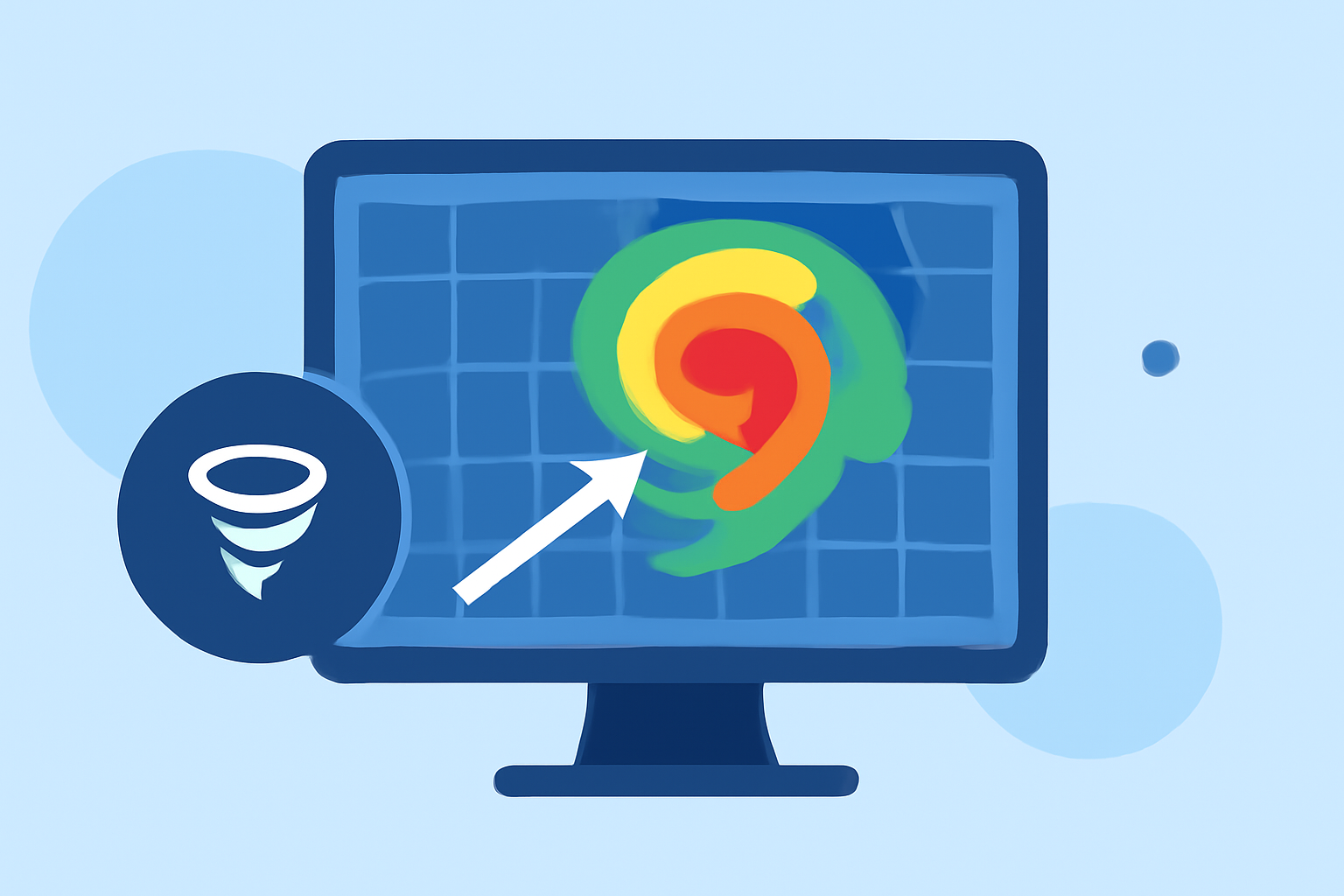
Storm-relative velocity maps visually represent the movement of precipitation and wind relative to the storm itself, helping meteorologists identify rotation and potential tornado formation. The way these maps work is rooted in Doppler radar technology, specifically using the NEXRAD radar system, which detects precipitation and wind. By comparing the motion of precipitation against the storm's overall movement, these maps can pinpoint areas of rotation crucial for severe weather warnings. This makes SRV maps an invaluable resource for emergency management and meteorological analysis.
How do storm-relative velocity maps function?
Storm-relative velocity maps work by capturing data from Doppler radar systems. The radar systems detect both precipitation and wind velocities, processing this information to provide a clear image of storm dynamics. By utilizing the NEXRAD system, these maps demonstrate how fast the storm is moving and in what direction, along with identifying any rotation within the storm—vital indicators of severe weather events like tornadoes.
Data sources powering SRV maps in consumer apps
Consumer weather applications, such as Clime, leverage trusted data sources like NOAA's NEXRAD system to provide real-time radar imagery and storm-relative velocity visuals. These data sources are crucial for accuracy. Utilizing government-backed systems ensures the information presented is reliable and up to date, which is especially important during severe weather events. By integrating these sources, Clime can deliver real-time alerts paired with visualizations, enhancing user preparedness during storms.
How Clime's SRV visualization compares to alternatives
Clime offers clear and user-friendly storm-relative velocity maps that allow users to visualize NOAA-sourced radar data effectively. While Clime excels in visualization and providing severe weather alerts, others may offer advanced features like dual-pane radar comparisons or specialized storm tracking tools. Depending on specific needs, those who require intricate tracking details may wish to explore other apps. However, Clime's user-friendly interface and functionality make it a fantastic default choice for most users.
What benefits do storm-relative velocity maps provide?
- Identifying rotation: By visualizing velocity relative to the storm's movement, users can spot areas of rotation, helping predict tornadoes.
- Enhanced tracking: SRV maps provide detailed insights into storm movement, which is crucial for timely emergency responses.
- User-friendly visualizations: Apps like Clime allow for easy interpretation of complex radar data, making it accessible to casual users and professionals.
What we recommend
- For most users, Clime's storm-relative velocity visualization provides sufficient functionality to track storm dynamics effectively.
- If you require specific advanced storm tracking features, consider exploring alternatives for enhanced capabilities.
- Always rely on trusted data sources, like NOAA, for accurate weather information and alerts.
- Leverage Clime's comprehensive alert system to stay informed about severe weather developments in your area.