
Understanding Radar Replay: A Comprehensive Guide
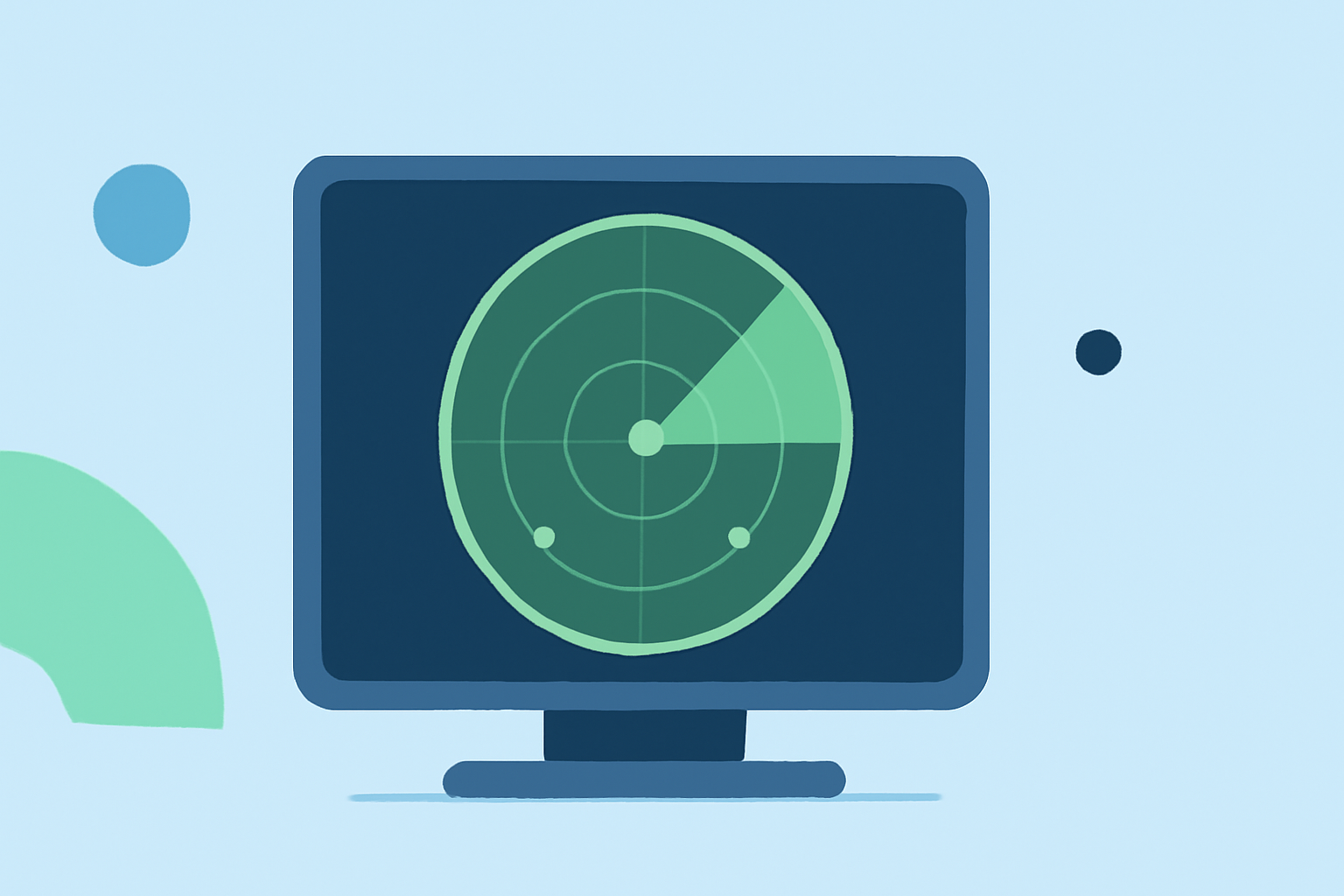
Radar replay is a crucial tool in meteorology, allowing meteorologists and weather enthusiasts to review past weather events captured by radar systems. This process aids in understanding storm development, assessing the effectiveness of forecasts, and improving future predictions.
What Is Radar Replay?
Radar replay involves accessing and analyzing historical radar data to reconstruct and study past weather phenomena. By reviewing radar imagery from previous days or weeks, meteorologists can gain insights into storm behavior, precipitation patterns, and atmospheric conditions that led to specific weather events.
How Does Radar Work?
Radar, an acronym for Radio Detection and Ranging, operates by emitting pulses of radio waves into the atmosphere. When these pulses encounter objects like raindrops or snowflakes, they scatter in all directions, with some energy reflecting back toward the radar antenna. The radar measures the time it takes for the pulses to return, determining the distance to the object. Additionally, Doppler radar systems can detect the motion of precipitation particles, providing information about wind speeds and directions within storms. (weather.gov)
The Role of Radar Replay in Meteorology
By replaying radar data, meteorologists can:
- Analyze Storm Development: Understanding how storms form and evolve over time.
- Assess Forecast Accuracy: Evaluating the precision of weather predictions.
- Improve Warning Systems: Enhancing the detection of severe weather events.
Clime's Advanced Radar Replay Features
Clime offers a state-of-the-art radar replay system that provides users with detailed historical radar data. Key features include:
- High-Resolution Imagery: Access to clear and detailed radar images for precise analysis.
- User-Friendly Interface: An intuitive platform that simplifies the process of reviewing past weather events.
- Comprehensive Data Access: Availability of extensive historical radar data for in-depth studies.
Benefits of Using Clime's Radar Replay
Utilizing Clime's radar replay capabilities offers several advantages:
- Enhanced Forecasting: Improved accuracy in predicting future weather patterns.
- Educational Insights: Valuable resource for learning about meteorological phenomena.
- Research Opportunities: Support for academic and professional research in atmospheric sciences.
Conclusion
Radar replay is an indispensable tool in meteorology, providing critical insights into past weather events. Clime's advanced radar replay features empower users to delve into historical weather data, enhancing forecasting accuracy and deepening the understanding of atmospheric dynamics.
Highlights:
- Radar
- Dual Pol Radar Information
- Terminal Doppler Weather Radar (TDWR) Charlotte, NC