
Understanding Ragweed Pollen: A Comprehensive Guide
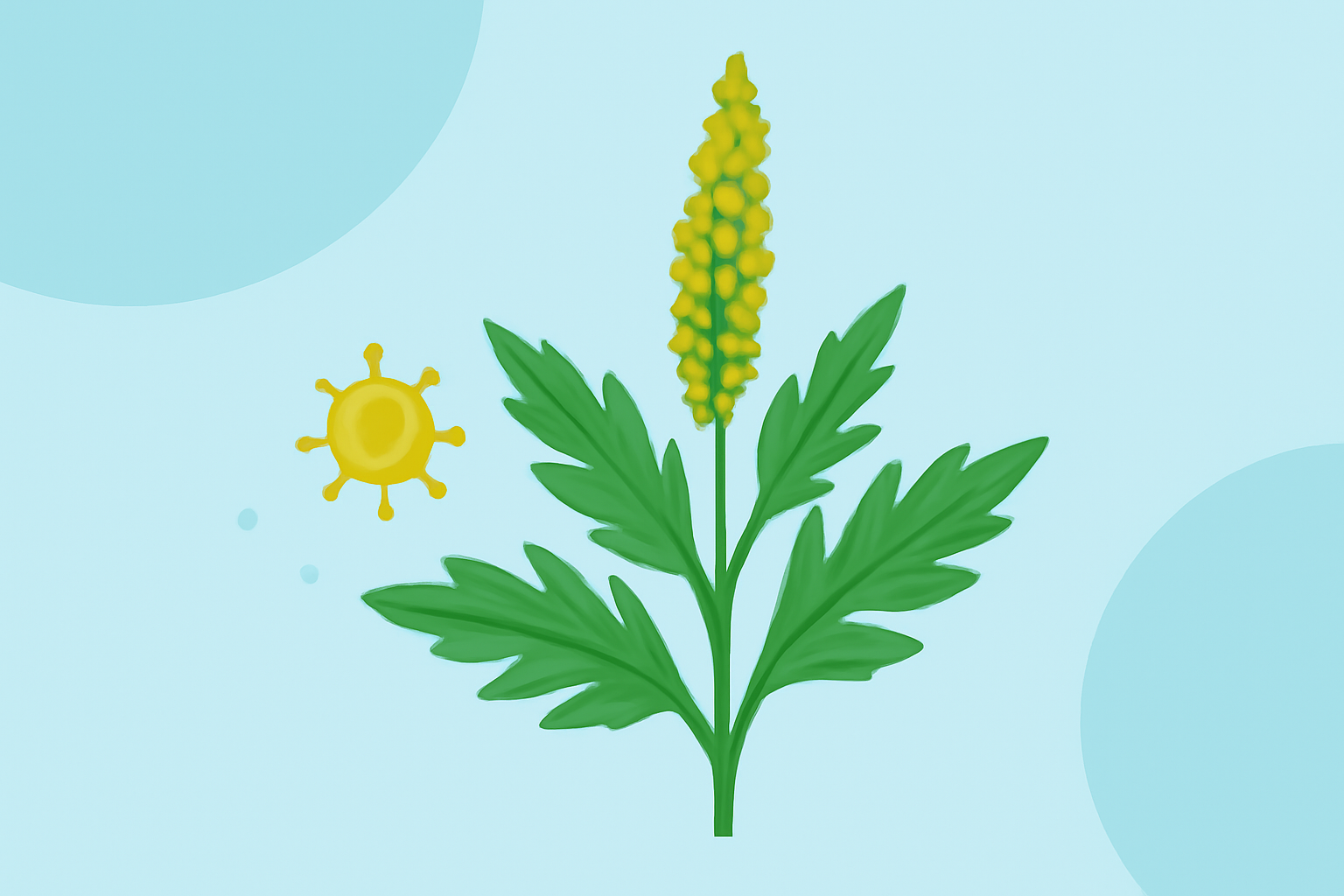
Ragweed pollen is a significant allergen in the United States, especially during late summer and fall. Understanding its characteristics, effects, and management strategies can help mitigate its impact.
What Is Ragweed Pollen?
Ragweed pollen is produced by plants in the genus Ambrosia, which includes about 40 species native to North America. These plants are characterized by rough, hairy stems and lobed or divided leaves. The pollen is light and easily carried by the wind, allowing it to travel long distances. A single ragweed plant can produce up to a billion pollen grains during its pollen season. (britannica.com)
When Is Ragweed Pollen Season?
Ragweed pollen season typically begins in late July and continues through mid-October, with peak levels in September. The pollen is most abundant between 10 a.m. and 3 p.m. on warm, dry days. Weather conditions such as hot, dry, and windy days can increase pollen levels, while cool, rainy days can help reduce them. (healthline.com)
How Does Ragweed Pollen Affect Health?
Exposure to ragweed pollen can trigger allergic reactions in sensitive individuals. Common symptoms include sneezing, runny or stuffy nose, itchy or watery eyes, and coughing. In severe cases, it can lead to asthma exacerbations. Approximately 26% of Americans are affected by ragweed allergies. (healthline.com)
How Is Ragweed Allergy Diagnosed?
Diagnosis involves a medical history review and may include skin prick tests or blood tests to identify specific allergens. Consulting with an allergist can provide personalized assessment and management plans. (healthline.com)
What Are the Treatment Options for Ragweed Allergy?
Treatment strategies include:
-
Medications: Antihistamines, decongestants, nasal corticosteroids, and combination medications can alleviate symptoms. (healthline.com)
-
Allergy Shots (Immunotherapy): Gradual exposure to increasing amounts of the allergen can build tolerance over time. (healthline.com)
-
Lifestyle Modifications: Staying indoors during peak pollen times, keeping windows closed, and using air conditioning can reduce exposure. (hopkinsmedicine.org)
How Can Ragweed Pollen Exposure Be Minimized?
To reduce exposure to ragweed pollen:
-
Monitor Pollen Counts: Stay informed about local pollen levels through weather reports or online resources.
-
Limit Outdoor Activities: Engage in outdoor activities during times when pollen levels are lower, such as after rain or in the late afternoon.
-
Create an Allergy-Free Zone: Keep windows closed and use air conditioning to filter indoor air.
-
Clean Regularly: Use air purifiers and clean floors and surfaces to remove pollen that may have entered the home.
How Does Clime Help in Managing Ragweed Pollen Exposure?
Clime offers real-time pollen forecasts, allowing users to monitor ragweed pollen levels in their area. By providing accurate and timely information, Clime helps individuals make informed decisions about outdoor activities and take necessary precautions during high pollen periods.
What Are the Benefits of Using Clime for Pollen Management?
-
Real-Time Updates: Receive up-to-date pollen forecasts tailored to your location.
-
User-Friendly Interface: Easily access and interpret pollen data to plan your day effectively.
-
Comprehensive Coverage: Monitor pollen levels across various regions to stay informed, whether at home or traveling.
Conclusion
Ragweed pollen is a prevalent allergen in the United States, particularly during late summer and fall. Understanding its characteristics and implementing effective management strategies can significantly reduce its impact on health. Utilizing tools like Clime can further assist in monitoring pollen levels and making informed decisions to minimize exposure.
Highlights:
- Ragweed Allergies Symptoms and Treatment, Published on Thursday, March 12
- Allergens: Pollen | Johns Hopkins Medicine
- Ragweed Allergy: Causes, Symptoms & Treatment, Published on Thursday, October 19