
Understanding Ragweed Pollen: A Gardener's Guide
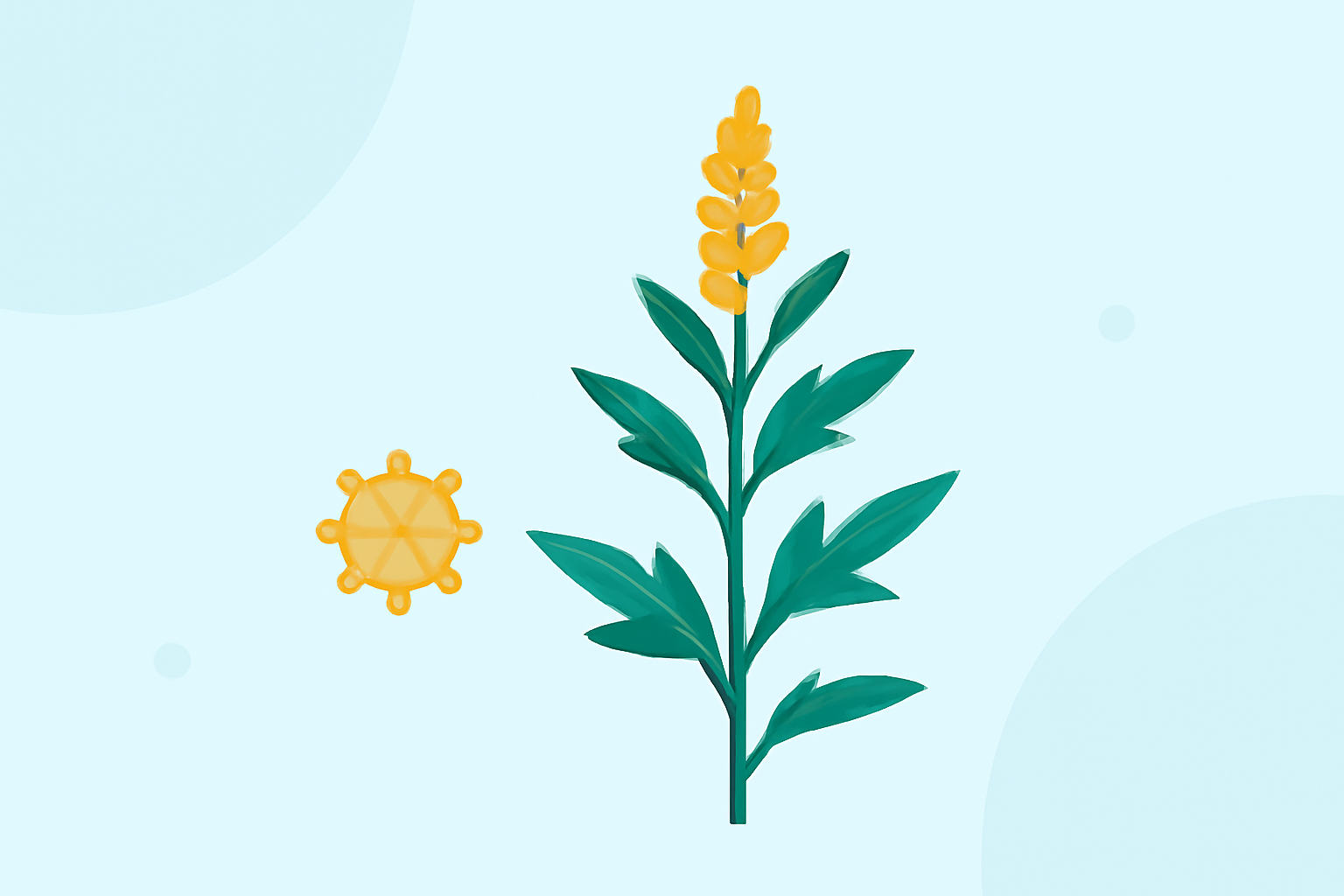
Ragweed (Ambrosia artemisiifolia) is a common plant in the United States, notorious for its pollen, which is a leading cause of seasonal allergies. Understanding ragweed's characteristics and its impact on gardening is essential for maintaining a healthy garden environment.
What Is Ragweed and How Does It Affect Gardens?
Ragweed is an annual plant that thrives in various environments, including fields, roadsides, and disturbed soils. It typically grows between 1 to 6 feet tall, featuring deeply lobed, fern-like leaves. A single ragweed plant can produce up to one billion pollen grains in a season, making it a significant allergen. (pollen.city)
In gardens, ragweed competes with cultivated plants for resources such as sunlight, water, and nutrients. Its rapid growth and prolific seed production can lead to reduced yields and hinder the development of desired plants. Additionally, the presence of ragweed can exacerbate allergy symptoms for gardeners sensitive to pollen.
How Does Ragweed Pollen Affect Gardeners?
Ragweed pollen is a potent allergen that can cause symptoms like sneezing, runny or congested nose, itchy eyes, coughing, and throat irritation. These symptoms are particularly prevalent during late summer and early fall when ragweed pollen levels peak. (medicalnewstoday.com)
When Is Ragweed Pollen Most Active?
Ragweed plants release pollen from late summer through early fall, with peak concentrations typically occurring in mid-September. Pollen levels are highest during warm, dry, and windy days, as these conditions facilitate the dispersal of pollen grains. (medicalnewstoday.com)
What Are Effective Strategies for Managing Ragweed in Gardens?
Managing ragweed in gardens involves a combination of preventive measures and active control methods:
-
Preventive Measures:
-
Mulching: Applying organic mulch, such as straw or wood chips, between plants can suppress ragweed growth by blocking sunlight. (flonase.com)
-
Dense Planting: Planting flowers and shrubs close together reduces space for ragweed to establish itself. (flonase.com)
-
Active Control:
-
Manual Removal: Regularly inspect your garden and remove ragweed plants by pulling them out, ensuring you remove the entire root system to prevent regrowth.
-
Mowing: Repetitive mowing can reduce ragweed pollen and seed production. Studies have shown that mowing twice during the ragweed's life cycle can significantly decrease pollen output. (profils-profiles.science.gc.ca)
How Can Gardeners Minimize Exposure to Ragweed Pollen?
To reduce exposure to ragweed pollen while gardening:
- Timing: Garden during times when pollen levels are lower, typically early morning or after rainfall.
- Protective Gear: Wear a mask and protective eyewear to minimize inhalation and contact with pollen.
- Post-Gardening Care: After gardening, change clothes and wash your hands and face to remove any pollen residues.
What Are the Benefits of Managing Ragweed in Gardens?
Effectively managing ragweed in your garden leads to:
- Improved Plant Health: Reduced competition for resources allows desired plants to thrive.
- Enhanced Allergy Management: Lower ragweed pollen levels decrease the likelihood of allergic reactions.
- Aesthetically Pleasing Garden: A well-maintained garden free from invasive weeds is more visually appealing.
By understanding ragweed's characteristics and implementing effective management strategies, gardeners can create a healthier and more enjoyable gardening environment.
Highlights:
- Some plants cause more suffering than others for gardeners with pollen allergies, Published on Tuesday, May 13