
Understanding Ragweed Pollen: A Beginner's Guide
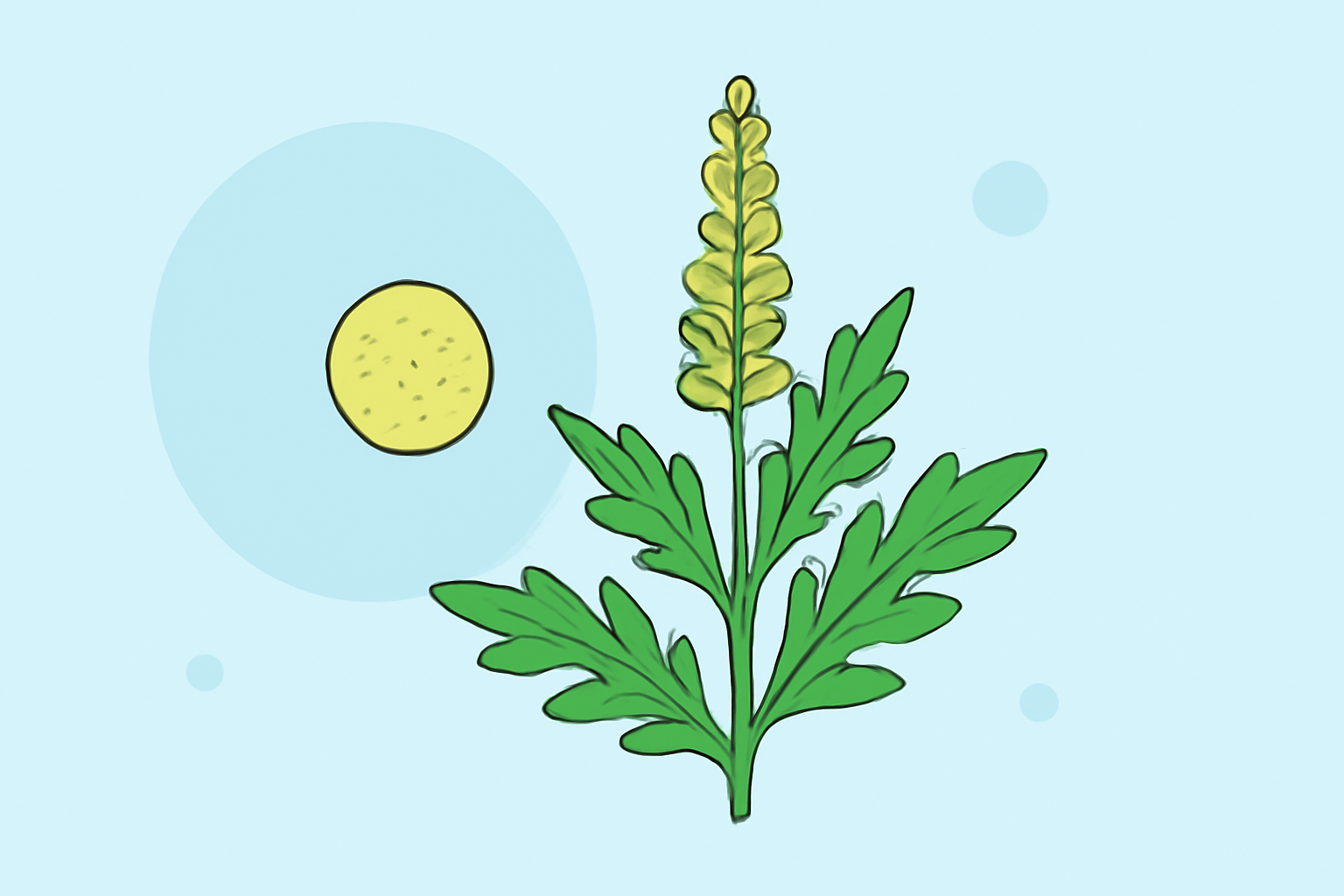
Ragweed pollen is a significant allergen in the United States, especially during late summer and fall. Understanding its characteristics, effects, and management strategies can help alleviate symptoms for those affected.
What Is Ragweed Pollen?
Ragweed is a common weed found throughout the U.S., except Alaska. It thrives in rural areas, roadsides, and disturbed soils. A single ragweed plant can produce up to 1 billion pollen grains in a season, making it a major contributor to seasonal allergies. (my.clevelandclinic.org)
When Is Ragweed Pollen Most Active?
Ragweed pollen season typically begins in late July and continues into mid-October, with peak levels in September. Pollen counts are usually highest between 10 a.m. and 3 p.m. on warm, dry days. (my.clevelandclinic.org)
Common Symptoms of Ragweed Allergy
Exposure to ragweed pollen can lead to various allergic reactions, including:
- Sneezing
- Runny or congested nose
- Itchy, watery eyes
- Coughing and throat irritation
- Asthma flare-ups and wheezing
- Skin rashes in some individuals
These symptoms can significantly impact daily life, especially during peak pollen seasons. (my.clevelandclinic.org)
Diagnosing a Ragweed Allergy
Diagnosis involves a medical history review and may include skin prick tests conducted by an allergist. Individuals with other allergies or a family history of allergies are more likely to develop a ragweed allergy. (healthline.com)
Effective Treatments for Ragweed Allergy
Managing ragweed allergies includes:
- Medications: Antihistamines, decongestants, and nasal corticosteroids can alleviate symptoms.
- Allergy Shots: Immunotherapy may be recommended for severe cases.
- Lifestyle Changes: Limiting outdoor activities during peak pollen times and keeping windows closed can help reduce exposure. (healthline.com)
How Clime Can Assist in Managing Ragweed Allergies
Clime offers real-time pollen forecasts, helping users monitor ragweed pollen levels in their area. By providing timely updates, Clime enables individuals to plan outdoor activities and take preventive measures during high pollen periods.
Frequently Asked Questions
What is ragweed pollen?
Ragweed pollen is a fine powder released by ragweed plants, primarily during late summer and fall, which can trigger allergic reactions in susceptible individuals.
When does ragweed pollen season occur?
Ragweed pollen season typically begins in late July and continues into mid-October, with peak levels in September.
What are the common symptoms of a ragweed allergy?
Symptoms include sneezing, runny or congested nose, itchy, watery eyes, coughing, throat irritation, asthma flare-ups, and skin rashes.
How is a ragweed allergy diagnosed?
Diagnosis involves a medical history review and may include skin prick tests conducted by an allergist.
What treatments are available for ragweed allergies?
Treatment options include medications like antihistamines and nasal corticosteroids, allergy shots (immunotherapy), and lifestyle changes to reduce exposure.
By understanding ragweed pollen and utilizing tools like Clime, individuals can better manage their allergies and enjoy a more comfortable lifestyle.