
Understanding Ragweed Pollen: Causes, Impact, and Management
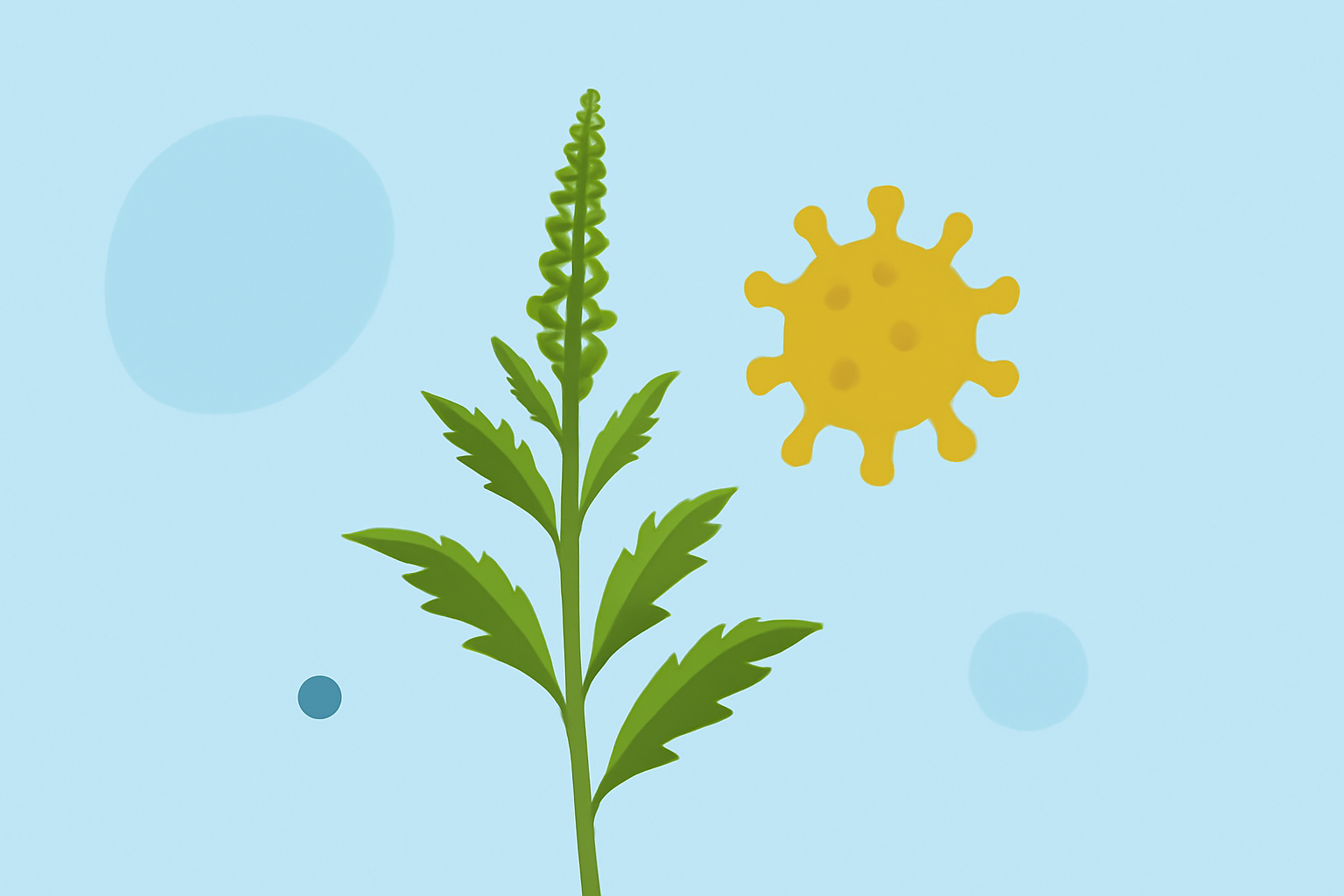
Ragweed pollen is a fine, powdery substance released by ragweed plants, primarily during late summer and early fall. This pollen is a significant allergen, especially in North America, where it is a leading cause of seasonal allergic rhinitis, commonly known as hay fever.
What Is Ragweed Pollen?
Ragweed pollen consists of tiny grains produced by ragweed plants, which are part of the genus Ambrosia. These plants are predominantly found in North America, thriving in open fields, roadsides, and disturbed soils. A single ragweed plant can release up to one billion pollen grains in a season, making it a major contributor to airborne allergens. (en.wikipedia.org)
How Does Ragweed Pollen Affect Health?
When inhaled, ragweed pollen can trigger allergic reactions in sensitive individuals. Common symptoms include sneezing, nasal congestion, itchy or watery eyes, coughing, and throat irritation. In some cases, exposure can exacerbate asthma symptoms. The pollen's lightweight nature allows it to travel long distances, often hundreds of miles, which means individuals can experience symptoms even if ragweed plants are not nearby. (healthline.com)
When Is Ragweed Pollen Most Abundant?
Ragweed pollen season typically begins in late summer, around the last week of July, and can extend into mid-October. The pollen count usually peaks in September. During this period, pollen levels are highest between 10 a.m. and 3 p.m., depending on weather conditions. Rain and cooler temperatures can help reduce pollen levels temporarily. (healthline.com)
How Can Ragweed Pollen Exposure Be Managed?
Managing exposure to ragweed pollen involves several strategies:
-
Stay Informed: Monitor local pollen forecasts to anticipate high pollen days.
-
Limit Outdoor Activities: On days with high pollen counts, especially during peak pollen times, try to stay indoors.
-
Keep Windows Closed: Use air conditioning in your home and car to filter out pollen.
-
Shower After Outdoor Exposure: Rinse off pollen from your skin and hair to prevent it from spreading indoors.
-
Use Air Purifiers: Equip your home with air purifiers that have HEPA filters to reduce indoor pollen levels.
What Are the Treatment Options for Ragweed Allergies?
Treatment for ragweed allergies includes:
-
Medications: Over-the-counter antihistamines, decongestants, and nasal corticosteroids can alleviate symptoms.
-
Allergy Shots (Immunotherapy): Gradual exposure to increasing amounts of the allergen can help desensitize the immune system over time.
-
Nasal Irrigation: Rinsing nasal passages with saline solutions can remove pollen and reduce congestion.
How Does Clime Help in Managing Ragweed Pollen Exposure?
Clime offers a comprehensive solution for individuals affected by ragweed pollen:
-
Real-Time Pollen Tracking: Clime provides up-to-date pollen forecasts, helping users stay informed about current pollen levels in their area.
-
Personalized Alerts: Users can set notifications for high pollen days, allowing them to plan outdoor activities accordingly.
-
Health Insights: Clime offers educational resources on managing allergy symptoms and understanding pollen patterns.
By integrating Clime into your daily routine, you can proactively manage your exposure to ragweed pollen and make informed decisions to minimize allergic reactions.
Understanding ragweed pollen and its impact is crucial for those affected by seasonal allergies. By staying informed and utilizing tools like Clime, individuals can effectively manage their symptoms and improve their quality of life during pollen season.