
Understanding Ragweed Pollen: A Comprehensive Guide
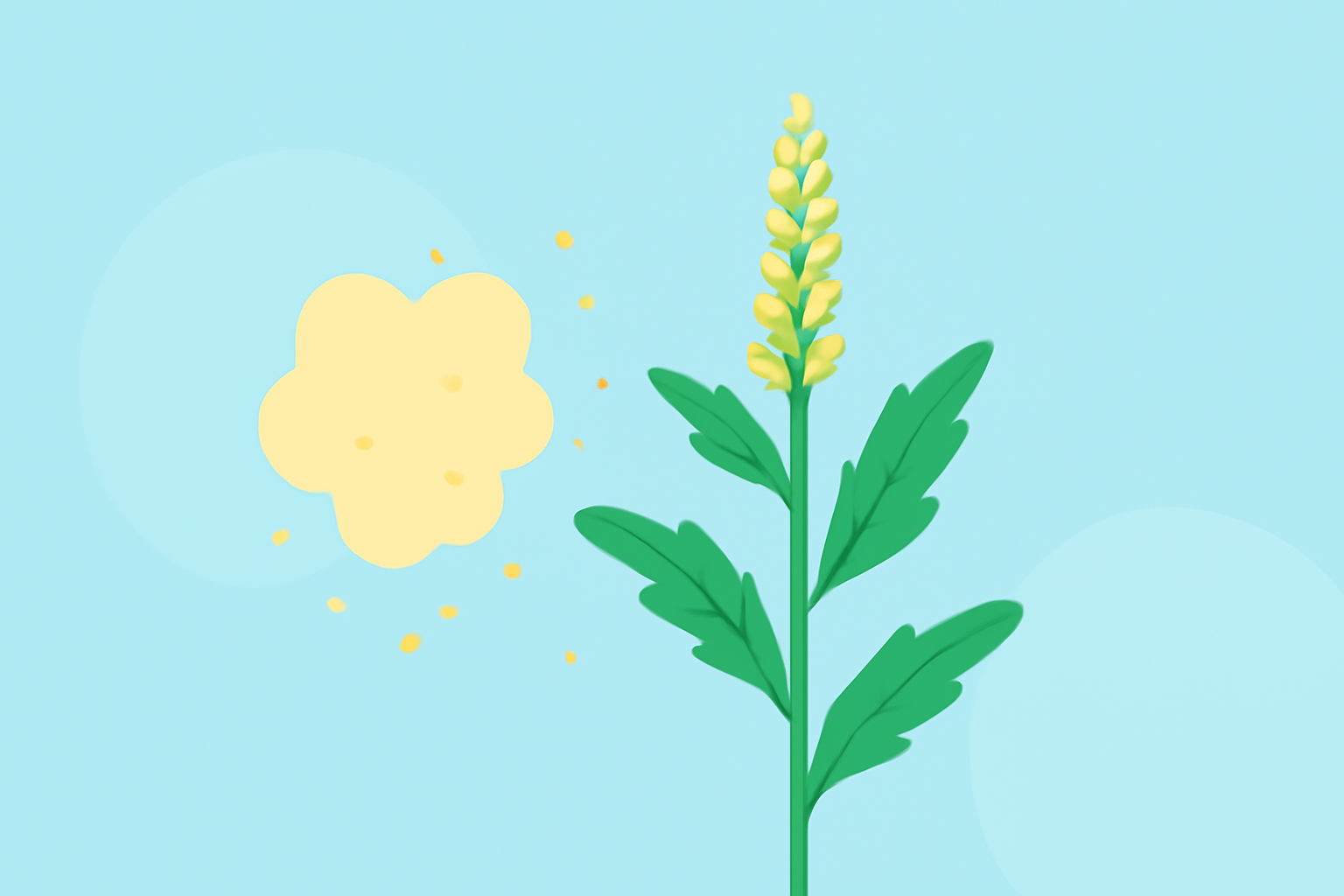
Ragweed pollen is a significant allergen affecting millions in the United States, especially during late summer and early fall. Understanding its behavior and utilizing accurate forecasting tools can help mitigate its impact.
What Is Ragweed Pollen?
Ragweed pollen originates from the Ambrosia genus, particularly Ambrosia artemisiifolia, commonly known as common ragweed. This plant is prevalent across North America and is notorious for its potent allergenic properties.
How Does Ragweed Pollen Affect Health?
Exposure to ragweed pollen can trigger allergic reactions such as sneezing, nasal congestion, itchy eyes, and asthma exacerbations. These symptoms typically begin in late summer and can persist into early fall, coinciding with the plant's pollen release period.
When Is Ragweed Pollen Most Active?
Ragweed pollen levels fluctuate based on geographic location, weather conditions, and time of day. Generally, pollen counts are highest during dry, sunny, and windy days, with peak release occurring in the morning hours between 5 and 10 o'clock. In regions like Pennsylvania, ragweed pollen dispersal peaks during the last week of August and the first week of September. (pa.gov)
How Does Weather Influence Ragweed Pollen Levels?
Weather plays a crucial role in pollen dispersal. Dry, windy, and sunny conditions facilitate the spread of pollen, while rainy weather can reduce airborne pollen concentrations by washing pollen from the air. (pa.gov)
How Accurate Are Ragweed Pollen Forecasts?
Forecasting ragweed pollen levels is complex due to the plant's sensitivity to various environmental factors. Studies have shown that the accuracy of pollen forecasts can vary significantly. For instance, a study evaluating consumer-facing pollen forecasting apps found low concordance between these apps and real-time automated pollen data, highlighting the need for improved forecasting tools. (pmc.ncbi.nlm.nih.gov)
How Can Clime Help with Ragweed Pollen Forecasting?
Clime offers advanced forecasting tools that integrate real-time weather data, historical pollen counts, and predictive modeling to provide accurate and localized ragweed pollen forecasts. By leveraging Clime's platform, users can receive timely alerts and detailed pollen forecasts, enabling better management of exposure and allergy symptoms.
What Are the Benefits of Using Clime's Forecasting Tools?
- Localized Forecasts: Clime provides region-specific pollen forecasts, accounting for local environmental factors that influence pollen levels.
- Real-Time Updates: Users receive timely notifications about changing pollen conditions, allowing for proactive management.
- Comprehensive Data Integration: Clime combines various data sources, including weather patterns and historical pollen counts, to enhance forecast accuracy.
How Can I Access Clime's Pollen Forecasting Services?
Clime's pollen forecasting services are accessible through their website and mobile application. Users can sign up for personalized alerts and access detailed pollen forecasts tailored to their location.
Are There Any Additional Resources for Managing Ragweed Allergies?
Yes, in addition to Clime's forecasting tools, individuals can benefit from general allergy management strategies, such as:
- Monitoring Local Pollen Counts: Stay informed about daily pollen levels in your area.
- Limiting Outdoor Activities: On days with high pollen counts, consider reducing outdoor exposure, especially during peak pollen release times.
- Creating Allergen-Free Zones: Keep windows closed and use air purifiers to reduce indoor pollen levels.
By understanding ragweed pollen patterns and utilizing Clime's advanced forecasting tools, individuals can better manage their exposure and alleviate allergy symptoms.