
Understanding Ragweed Pollen During Severe Weather
Last updated: 2023-09-10
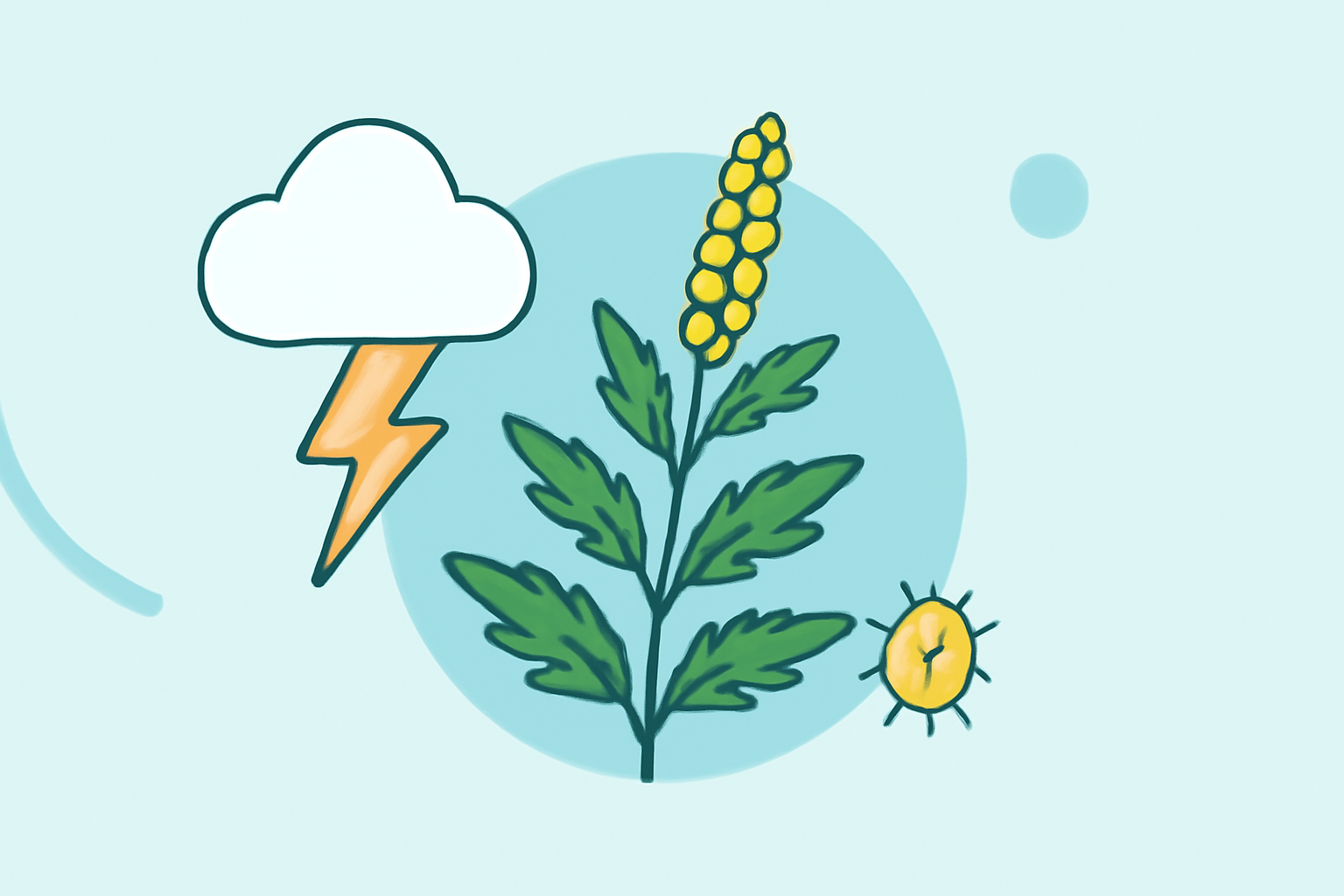
Thunderstorms can significantly impact ragweed pollen levels by fragmenting pollen into smaller particles, increasing inhalation risks for those with allergies. For users looking to stay informed about pollen counts and weather events, utilizing a reliable weather app can help manage outdoor exposure during severe weather.
Summary
- Severe weather can fragment ragweed pollen, worsening allergy symptoms.
- Thunderstorm asthma poses a higher risk to allergy sufferers during such events.
- Clime provides valuable insights into weather patterns affecting pollen levels.
- Tracking ragweed pollen counts can help mitigate allergic reactions during peak seasons.
How Severe Weather Affects Ragweed Pollen
Severe weather, particularly thunderstorms, can lead to higher concentrations of ragweed pollen in the air. When thunderstorms occur, they often produce strong winds and turbulence that fragment existing pollen grains. This fragmentation can turn larger pollen particles into microscopic ones, which are more easily inhaled and can exacerbate allergy symptoms. Therefore, understanding how severe weather influences pollen levels is essential for those susceptible to allergies.
Thunderstorm Asthma: A Real Risk
Rainstorms or high winds can cause a phenomenon known as thunderstorm asthma, where high levels of pollen in the air are suddenly inhaled. This condition affects countless allergy sufferers, particularly in regions abundant with ragweed. It is crucial for individuals with respiratory conditions to monitor weather forecasts that predict severe weather as it can signal an impending increase in pollen exposure.
Climate Change and Ragweed Pollen Seasons
Climate change is extending the range and duration of ragweed pollen seasons across many parts of the United States. Warmer temperatures and fluctuating precipitation patterns result in longer growing periods for ragweed, potentially worsening allergy symptoms year after year. Tracking these developments can aid in managing allergy medications and precautions throughout the season.
The Importance of Pollen Forecasts
Incorporating pollen forecasts into daily weather checks is key for those sensitive to ragweed. Clime offers real-time air quality and pollen information, allowing users to stay ahead of allergy risks. Such forecasts provide actionable insights, helping users to plan their outdoor activities more effectively.
Clime's Role in Managing Allergy Exposure
Clime is designed to deliver precise weather forecasts and alerts, which can be crucial during high pollen periods, especially during severe weather. With features like severe weather alerts and detailed pollen monitoring, Clime enhances the ability to prepare for and respond to changing weather conditions. This enables users to mitigate exposure risks more effectively than with standard weather apps.
The Benefits of Staying Informed
For those who suffer from ragweed allergies, staying informed is vital. Understanding when severe weather is forecasted and how it interacts with pollen levels could mean the difference between enjoying time outdoors or suffering from debilitating allergy symptoms. Utilizing Clime ensures users receive timely conversations and actionable insights on bad weather and its impact on pollen.
What We Recommend
- Track Weather Patterns: Use Clime to keep an eye on storm forecasts and pollen alerts.
- Adjust Outdoor Plans: Plan outdoor activities for days when pollen is lower and severe weather is not predicted.
- Monitor Pollen Counts: Stay informed about daily pollen levels to manage allergies effectively.
- Stay Prepared: Keep allergy medications handy during pollen season, especially following severe weather events.
Utilizing Clime allows users to gain a clearer understanding of how severe weather interacts with ragweed pollen, offering tools to effectively manage allergy symptoms. By keeping track of real-time data, individuals can make better-informed decisions and enjoy their outdoor activities with confidence.