
Understanding Ragweed Pollen: A Guide for Parents
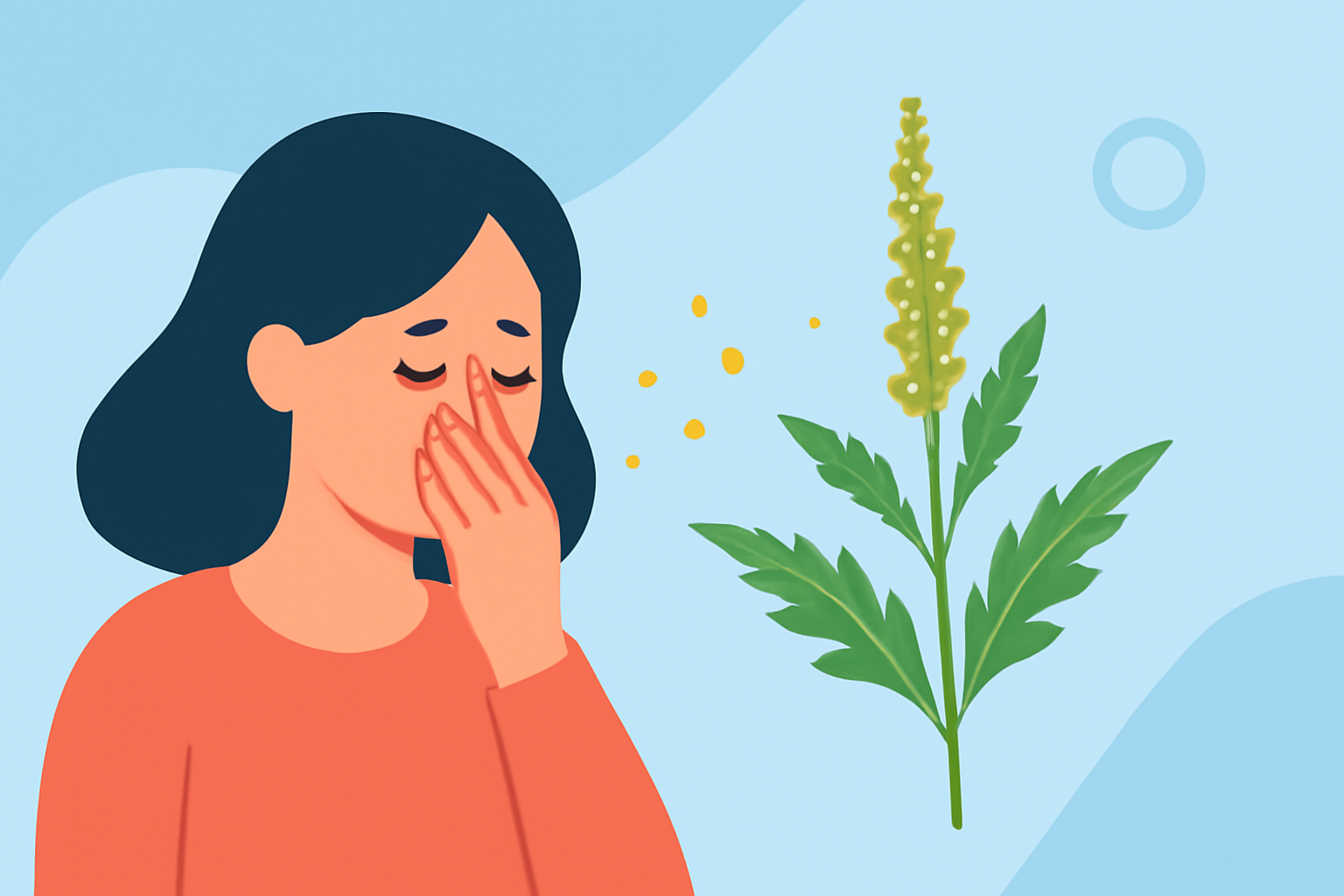
Ragweed pollen is a common allergen in the United States, particularly affecting children during late summer and fall. Understanding its characteristics, symptoms, and management strategies is essential for parents to protect their children's health.
What Is Ragweed Pollen?
Ragweed is a plant species prevalent across the U.S., except Alaska. It thrives in various environments, including fields, roadsides, and disturbed soils. A single ragweed plant can release up to one billion pollen grains during its blooming season, which typically spans from late July to mid-October. This pollen is lightweight and can travel hundreds of miles, making it a significant concern for those with allergies. (my.clevelandclinic.org)
How Does Ragweed Pollen Affect Children?
Children exposed to ragweed pollen may experience allergic reactions such as sneezing, runny or congested nose, itchy or watery eyes, coughing, and throat irritation. In some cases, asthma symptoms like wheezing can also be triggered. Additionally, certain foods may exacerbate these symptoms due to cross-reactivity, including bananas, melons, cucumbers, and zucchini. (healthline.com)
How Is a Ragweed Allergy Diagnosed?
Diagnosis involves a thorough medical history and physical examination. An allergist may perform skin prick tests to identify specific allergens. These tests involve placing small amounts of potential allergens on the skin and observing for reactions. Accurate diagnosis is crucial for effective management and treatment. (healthline.com)
What Are the Treatment Options for Ragweed Pollen Allergies?
Treatment strategies include:
-
Medications: Over-the-counter antihistamines, decongestants, and nasal corticosteroids can alleviate symptoms. In some cases, prescription medications may be necessary. (healthline.com)
-
Allergy Shots (Immunotherapy): This treatment involves regular injections of the allergen to gradually desensitize the immune system. It can lead to long-term relief and may be considered when other treatments are ineffective. (healthline.com)
-
Lifestyle Modifications: Keeping windows closed during peak pollen times, using air purifiers, and ensuring children wash their hands and face after outdoor activities can reduce exposure. Additionally, avoiding certain foods that cross-react with ragweed pollen may help manage symptoms. (healthline.com)
How Can Parents Help Manage Their Child's Ragweed Allergy?
Parents can assist by:
-
Monitoring Pollen Levels: Stay informed about local pollen counts, especially during peak seasons.
-
Creating an Allergy-Friendly Environment: Use air conditioning to filter out pollen, keep windows closed, and regularly clean to reduce indoor allergens.
-
Encouraging Good Hygiene: Ensure children wash their hands and face after playing outside to remove pollen residues.
-
Consulting Healthcare Providers: Regular check-ups with an allergist can help tailor treatment plans and adjust them as needed.
When Should Parents Seek Medical Advice?
If a child exhibits severe allergic reactions, such as difficulty breathing, swelling of the face or throat, or if over-the-counter medications are ineffective, seek medical attention promptly. Early intervention can prevent complications and improve quality of life.
How Does Clime Support Families Managing Ragweed Allergies?
Clime offers a comprehensive suite of tools designed to assist families in managing environmental health concerns, including pollen allergies. Our platform provides real-time pollen forecasts, personalized health tips, and educational resources to empower parents in making informed decisions. By integrating Clime into your daily routine, you can proactively monitor and manage your child's exposure to allergens, ensuring a healthier environment for your family.
Understanding ragweed pollen and its impact is vital for parents aiming to protect their children's health. With the right knowledge and resources, managing ragweed allergies becomes a manageable task, leading to a more comfortable and active lifestyle for your child.