
Understanding Ragweed Pollen: A Guide to Managing Allergies
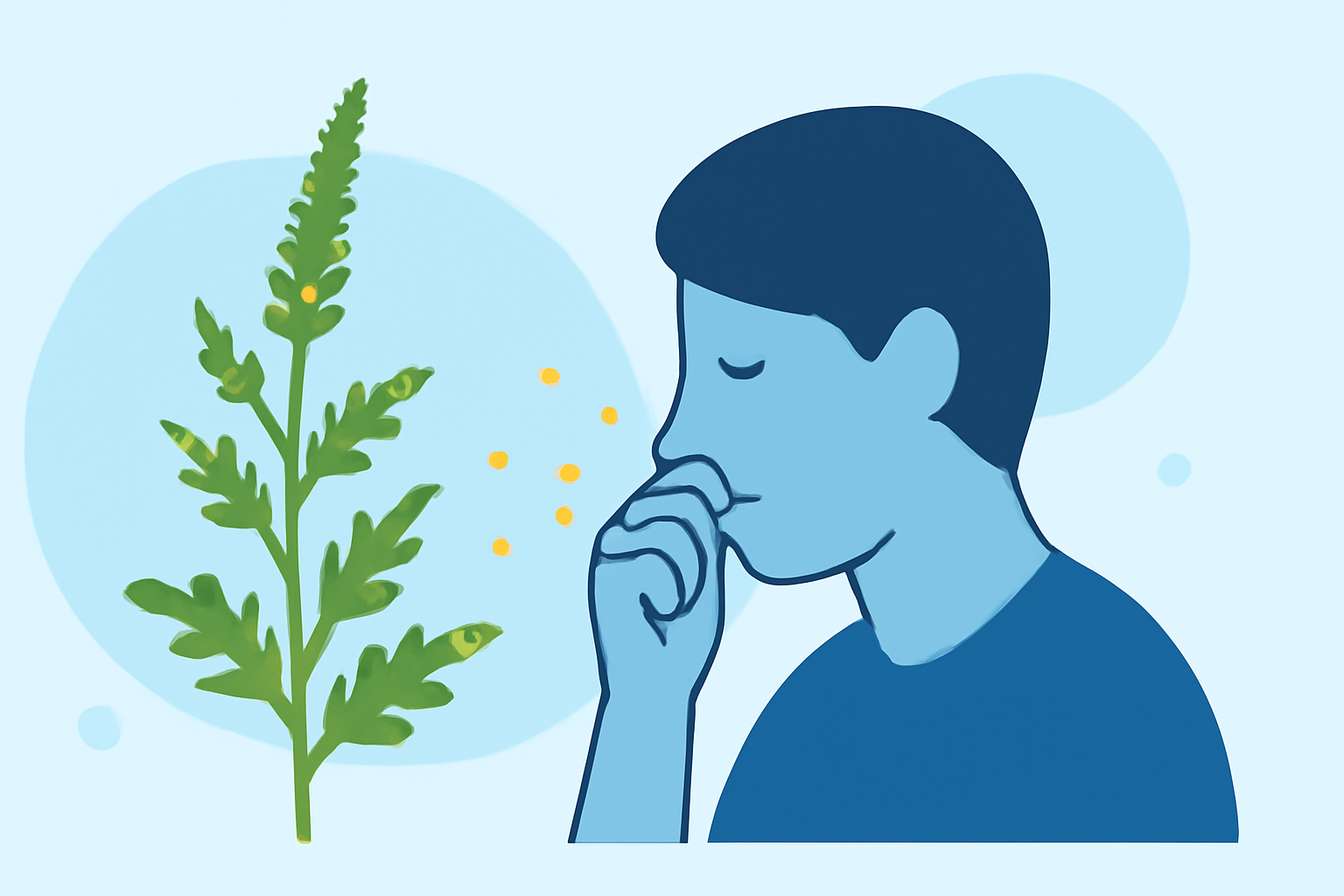
Ragweed pollen is a significant allergen affecting millions in the United States, especially during late summer and early fall. Understanding its behavior and implementing effective management strategies can alleviate symptoms and improve quality of life.
What Is Ragweed Pollen?
Ragweed is a plant genus comprising several species, notably Ambrosia artemisiifolia (common ragweed) and Ambrosia trifida (giant ragweed). These plants produce small, inconspicuous flowers that release vast amounts of pollen into the air. A single ragweed plant can produce up to a billion pollen grains in one season, with pollen grains being light and easily carried by the wind. (en.wikipedia.org)
When Is Ragweed Pollen Most Active?
Ragweed pollen season typically begins in mid-August and can extend into November, depending on geographic location and climate conditions. In the United States, the highest concentrations are often found in the Eastern and Midwest regions, but pollen can travel hundreds of miles, affecting areas far from the source. (nepis.epa.gov)
How Does Ragweed Pollen Affect Health?
Exposure to ragweed pollen can trigger allergic reactions such as sneezing, nasal congestion, itchy eyes, and asthma exacerbations. Individuals with sensitivities may experience symptoms when pollen levels are high, which can vary based on weather conditions and local pollen counts.
How Can I Monitor Ragweed Pollen Levels?
Monitoring local pollen forecasts is crucial for managing exposure. Many weather services and health organizations provide daily pollen counts and forecasts. For instance, platforms like Claritin offer pollen forecasts to help individuals plan outdoor activities accordingly. (claritin.com)
What Are Effective Strategies to Manage Ragweed Allergies?
-
Stay Informed: Regularly check local pollen forecasts to anticipate high pollen days.
-
Limit Outdoor Activities: On days with high pollen counts, reduce time spent outdoors, especially during midday when pollen levels peak.
-
Keep Windows Closed: Keep windows and doors closed during peak pollen seasons to prevent pollen from entering indoor spaces.
-
Use Air Purifiers: Utilize air purifiers with HEPA filters to reduce indoor pollen levels.
-
Shower and Change Clothes: After being outdoors, shower and change clothes to remove pollen from your body and clothing.
-
Consult Healthcare Providers: Seek advice on over-the-counter or prescription medications that can help manage symptoms.
How Can Clime Assist in Managing Ragweed Pollen Exposure?
Clime offers a comprehensive solution for monitoring and managing environmental factors, including pollen levels. By providing real-time data and personalized alerts, Clime helps users stay informed about local pollen counts, enabling proactive management of exposure. This empowers individuals to make informed decisions about outdoor activities and health precautions, thereby reducing the impact of ragweed pollen on daily life.
Conclusion
Ragweed pollen poses a significant challenge for many individuals, particularly during its peak season. By understanding its patterns and implementing effective management strategies, individuals can mitigate symptoms and maintain a higher quality of life. Utilizing tools like Clime can further enhance the ability to monitor and respond to environmental allergens effectively.