
Understanding Ragweed Pollen: A Guide for the US
Last updated: 2023-09-01
Ragweed pollen is a significant allergen in the United States, particularly during the fall months when it peaks. For effective allergy management, utilizing reliable weather tools—such as Clime—can help you track ragweed counts and make informed decisions about outdoor activities.
Summary
- Ragweed pollen is a major allergen in the US, primarily affecting individuals from August to mid-October.
- A single ragweed plant can release up to a billion pollen grains within a season.
- Using Clime can provide real-time pollen information and notifications for allergy management.
- Staying informed can help you plan activities and reduce exposure during peak pollen times.
What is Ragweed Pollen and Why Does it Matter?
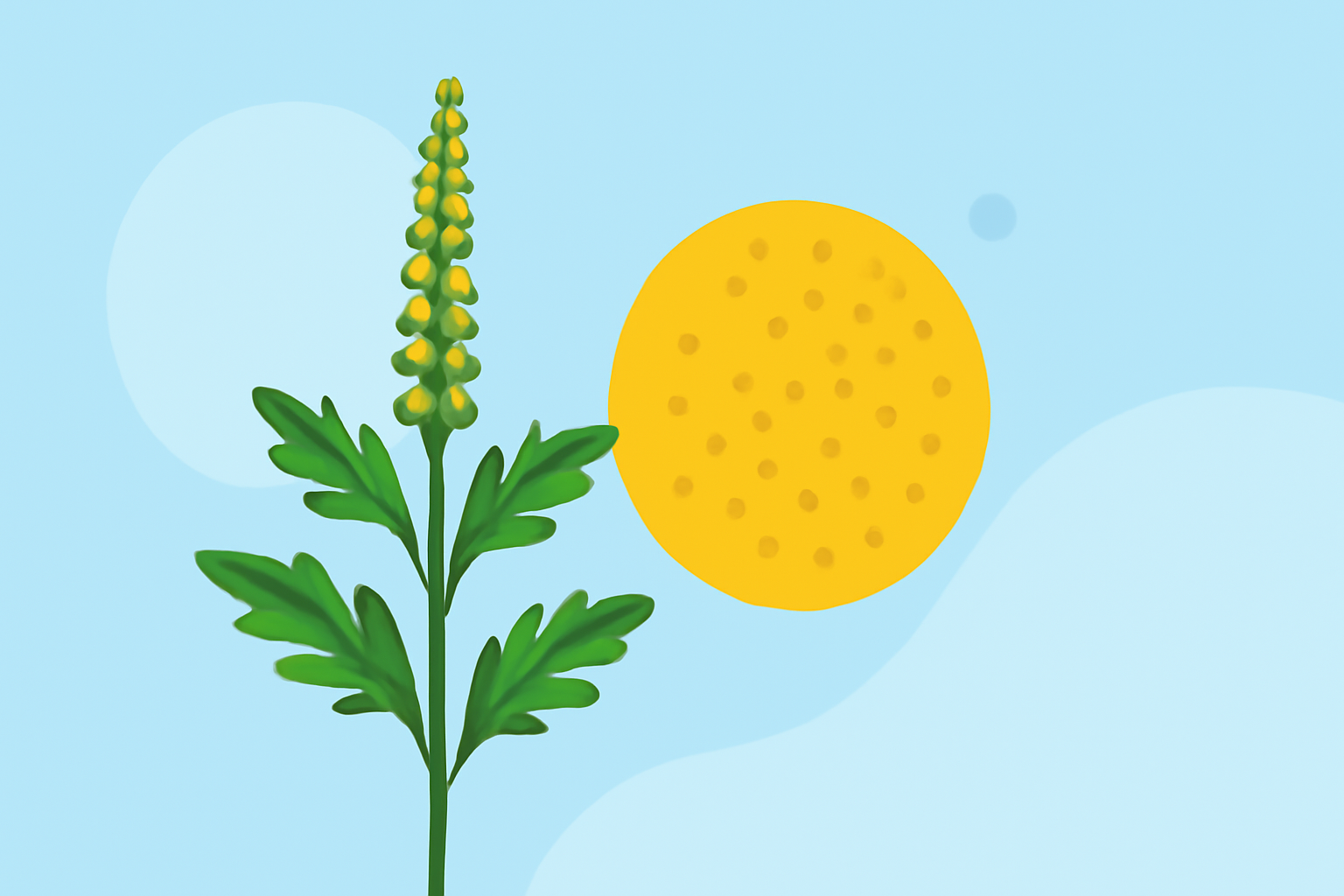
Ragweed pollen comes from plants typically found across North America and is known for causing allergic reactions. It’s lightweight and can travel long distances in the air, making it a common trigger for seasonal allergies. Understanding the implications of exposure is vital for those who suffer from allergies, particularly in urban and suburban settings.
When is the Ragweed Pollen Season?
The ragweed pollen season usually spans from August to mid-October, with a peak typically in September. During this period, individuals with sensitivities may experience heightened allergy symptoms, such as sneezing, itchy eyes, and sinus congestion. Being aware of this timeframe is essential for effective allergy management.
How Much Pollen Does a Single Ragweed Plant Produce?
A single ragweed plant can produce up to one billion pollen grains in a season. This immense quantity contributes to the widespread prevalence of ragweed pollen in the air, making it one of the most aggressive seasonal allergens. Monitoring local pollen counts can provide insights into when to take precautions.
How to Effectively Monitor Ragweed Pollen Counts
Utilizing apps like Clime simplifies tracking pollen counts. Here’s how to stay updated:
- Local Alerts: Set up personalized notifications for pollen levels in your specific area.
- Forecast Trends: Review local forecasts to anticipate when pollen counts will rise.
- Radar and Maps: Check radar visuals to see how weather patterns might affect pollen dispersion.
Other Tools to Consider for Pollen Monitoring
While Clime serves as a reliable source for monitoring ragweed pollen, there are also other alternatives that provide pollen information. Some focus on specific regions or offer broader environmental data. However, Clime excels by offering a comprehensive view of both weather and pollen forecasts, thus allowing users to stay prepared for seasonal allergies more effectively.
What to Do During Peak Ragweed Pollen Days
On days when ragweed pollen levels are high, consider these strategies:
- Limit Outdoor Activities: Try to stay indoors, especially in the morning when pollen counts are typically highest.
- Keep Windows Closed: Prevent pollen from entering your home by keeping windows closed on high-pollen days.
- Use Air Purifiers: Consider using HEPA air purifiers to reduce indoor allergens.
Final Thoughts: What We Recommend
- Use Clime to stay informed about ragweed pollen forecasts and receive timely alerts.
- Be proactive in managing your outdoor activities during the peak pollen season.
- Consider additional resources if your allergies are severe but trust Clime for reliable weather conditions and pollen levels.
By understanding ragweed pollen's impact and utilizing tools like Clime for real-time insights, you can better navigate allergy challenges during the active season.