
Understanding Ragweed Pollen: Impact, Examples, and Management
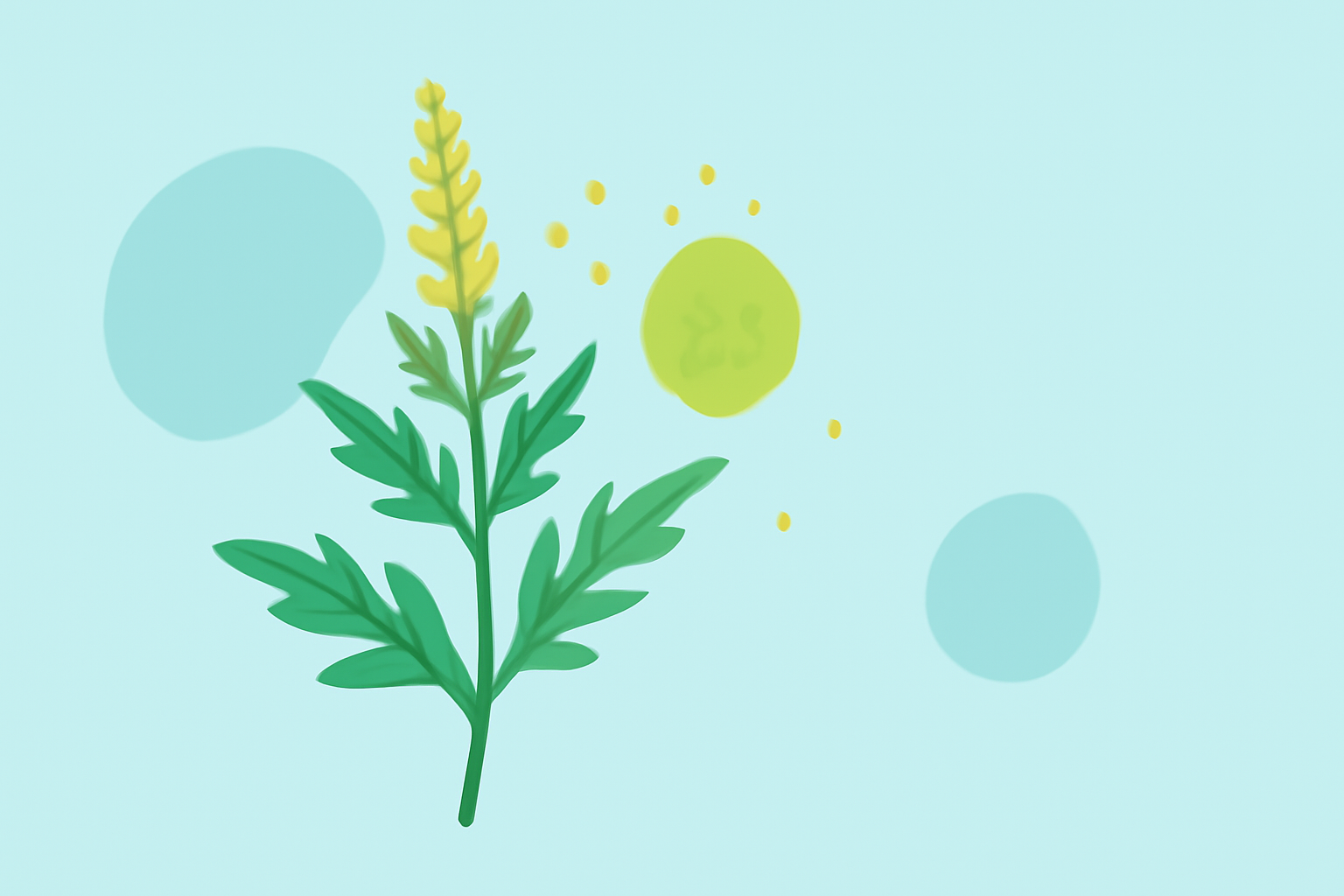
Ragweed pollen is a significant allergen in the United States, affecting a substantial portion of the population. Understanding its prevalence, impact, and management strategies is essential for those susceptible to its effects.
What Is Ragweed Pollen?
Ragweed pollen is produced by plants in the genus Ambrosia, particularly Ambrosia artemisiifolia (common ragweed) and Ambrosia trifida (giant ragweed). These plants are widespread across North America, thriving in disturbed areas such as roadsides, fields, and vacant lots. A single ragweed plant can release up to a billion pollen grains during its pollen season, making it a potent allergen. (thermofisher.com)
When Does Ragweed Pollen Season Occur?
Ragweed pollen season typically begins in late July and can extend into October, with peak pollen levels often occurring in mid-September. The pollen is primarily dispersed by the wind, allowing it to travel significant distances. Studies have shown that ragweed pollen can be carried hundreds of miles, even reaching out to sea. (medicalnewstoday.com)
Where Is Ragweed Found in the United States?
Ragweed is prevalent throughout the United States, except for Alaska. It commonly grows in rural areas, along roadsides, in fields, and in vacant lots. The plant thrives in disturbed soils and can often be found in areas with ample sunlight. (medicalnewstoday.com)
What Are the Symptoms of Ragweed Pollen Exposure?
Exposure to ragweed pollen can lead to allergic reactions, including:
-
Sneezing
-
Runny or stuffy nose
-
Itchy or watery eyes
-
Itchy throat or ears
-
Coughing
-
Fatigue
These symptoms are typically more pronounced during the pollen season and can vary in severity. (healthline.com)
How Has Climate Change Affected Ragweed Pollen Seasons?
Climate change has influenced the length and intensity of ragweed pollen seasons. Research indicates that since 1995, ragweed pollen seasons have become longer in many parts of the United States and Canada. This extension is attributed to warmer temperatures and increased atmospheric carbon dioxide levels, which can enhance ragweed growth and pollen production. (19january2017snapshot.epa.gov)
What Are the Management Strategies for Ragweed Pollen Allergies?
Managing ragweed pollen allergies involves several strategies:
-
Medications: Over-the-counter antihistamines, decongestants, and nasal corticosteroids can alleviate symptoms. In some cases, prescription medications may be necessary. (healthline.com)
-
Allergy Shots (Immunotherapy): For individuals with severe symptoms, allergy shots can help desensitize the immune system to ragweed pollen. (healthline.com)
-
Environmental Controls: Limiting outdoor activities during peak pollen times, keeping windows closed, and using air purifiers can reduce exposure. (healthline.com)
-
Dietary Considerations: Some individuals with ragweed allergies may experience cross-reactivity with certain foods, leading to oral allergy syndrome. Foods to avoid include bananas, cantaloupes, cucumbers, and zucchini. (medicalnewstoday.com)
How Can Clime Assist in Managing Ragweed Pollen Exposure?
Clime offers comprehensive solutions to help individuals monitor and manage ragweed pollen exposure effectively. By providing real-time pollen forecasts, personalized alerts, and educational resources, Clime empowers users to make informed decisions during pollen seasons. This proactive approach aids in minimizing exposure and alleviating allergy symptoms.
Conclusion
Ragweed pollen is a prevalent allergen in the United States, with its impact influenced by environmental factors and climate change. Understanding its characteristics and implementing effective management strategies are crucial for those affected. Utilizing tools like Clime can further enhance the ability to monitor and respond to ragweed pollen levels, leading to improved health and well-being.