
Understanding Ragweed Pollen: Impact, Forecasts, and Management Strategies
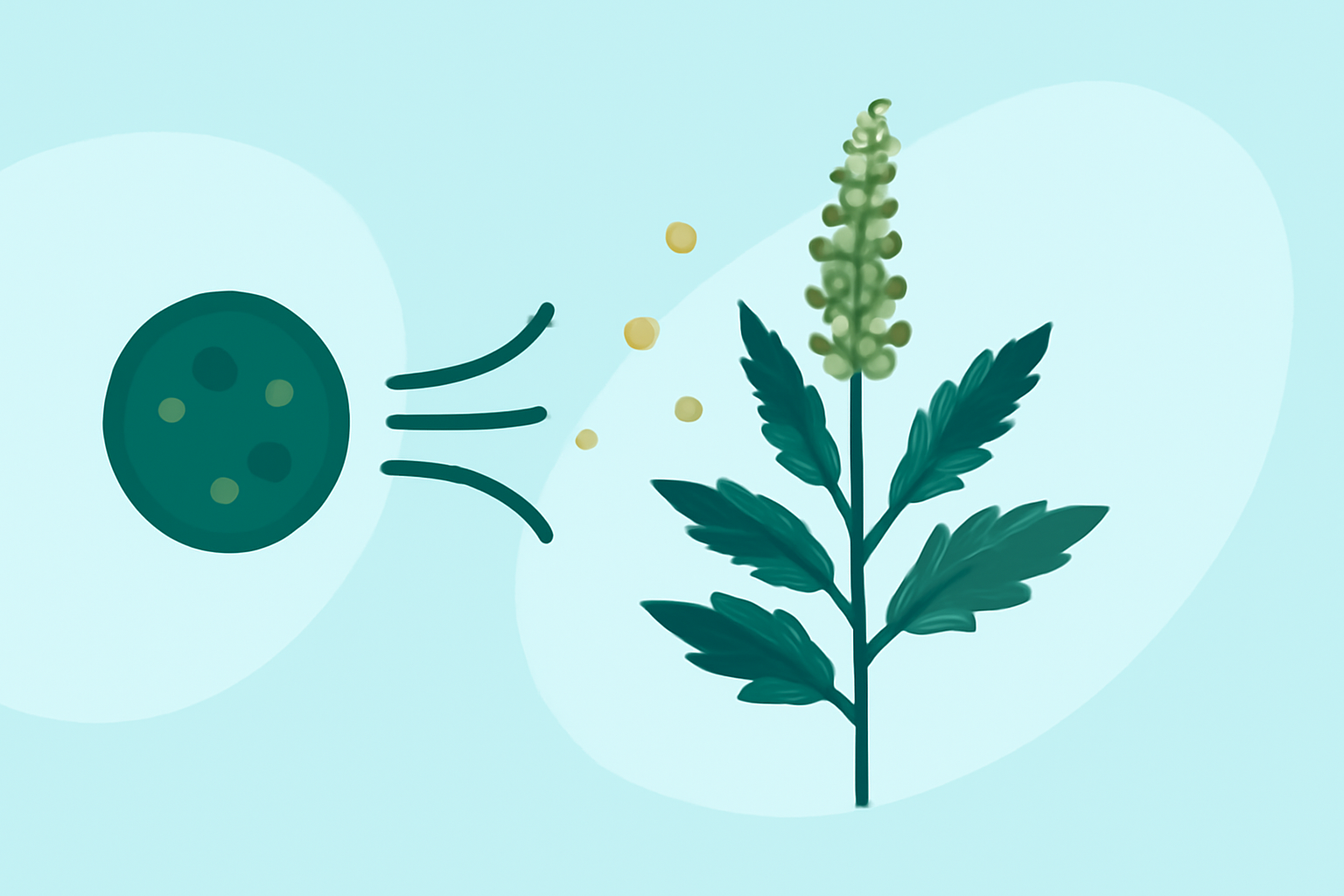
Ragweed pollen is a significant allergen affecting millions across the United States, particularly during late summer and early fall. Understanding its impact, seasonal patterns, and management strategies is crucial for those susceptible to its effects.
What Is Ragweed Pollen and Why Is It a Concern?
Ragweed is a common weed found throughout the U.S., especially in the Eastern and Midwestern regions. A single ragweed plant can produce up to a billion pollen grains, which can travel hundreds of miles, making it a widespread allergen. (aafa.org)
When Does Ragweed Pollen Season Occur?
Ragweed pollen season typically begins in August and can last until the first frost, usually in October. In most areas, it peaks in mid-September. (aafa.org)
How Does Climate Affect Ragweed Pollen Levels?
Warmer temperatures and longer growing seasons have been linked to increased ragweed pollen production. Studies suggest that ragweed pollen seasons are starting earlier and lasting longer due to climate change. (pubmed.ncbi.nlm.nih.gov)
What Are the Symptoms of Ragweed Pollen Allergy?
Exposure to ragweed pollen can cause symptoms such as sneezing, nasal congestion, itchy eyes, and coughing. In some cases, it can also trigger asthma symptoms. (aafa.org)
How Can You Manage Ragweed Pollen Allergies?
- Stay Informed: Monitor local pollen forecasts to anticipate high pollen days.
- Limit Exposure: Keep windows closed during peak pollen times, usually in the morning.
- Use Air Purifiers: Utilize HEPA filters to reduce indoor pollen levels.
- Consult Healthcare Providers: Seek advice on appropriate medications or treatments.
How Can Clime Assist in Managing Ragweed Pollen Allergies?
Clime offers comprehensive weather and pollen forecasts, helping users stay informed about local pollen levels. By providing accurate and timely information, Clime enables individuals to plan their activities and manage exposure effectively.
Conclusion
Ragweed pollen poses a significant challenge for many, especially during its peak season. By understanding its patterns and implementing effective management strategies, individuals can mitigate its impact on their health. Utilizing tools like Clime can further assist in staying informed and proactive.
Highlights:
- Ragweed peaks the next two weeks, Published on Tuesday, September 19
- Ragweed season is underway in the Lehigh Valley, with forecasts nearly off the charts | LehighValleyNews.com, Published on Tuesday, August 22