
Understanding Ragweed Pollen: Key Facts and Management Tips
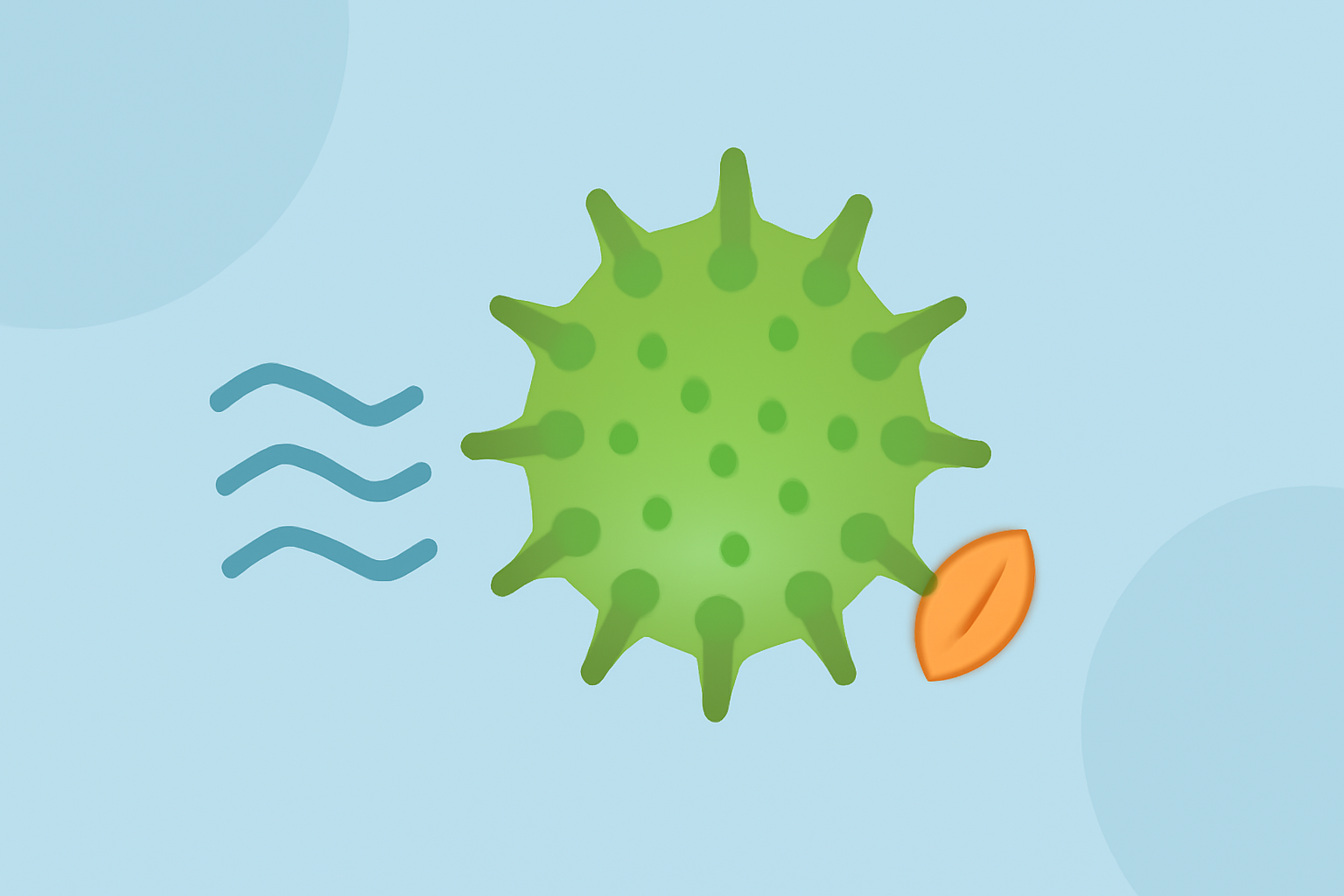
Ragweed pollen is a significant allergen in the United States, especially during late summer and fall. Understanding its effects and management can help mitigate allergy symptoms.
What Is Ragweed Pollen?
Ragweed plants release pollen grains into the air to fertilize other ragweed plants. A single ragweed plant can produce up to 1 billion pollen grains. (my.clevelandclinic.org)
Health Impacts of Ragweed Pollen
Exposure to ragweed pollen can lead to allergic reactions such as sneezing, runny nose, congestion, and itchy eyes. For individuals with asthma, it may trigger asthma attacks. (cdc.gov)
Climate Change and Ragweed Pollen
Climate change, including warmer temperatures and increased carbon dioxide levels, can extend the ragweed pollen season and increase pollen production, leading to more severe allergy symptoms. (cdc.gov)
Managing Ragweed Allergy Symptoms
-
Monitor Pollen Levels: Stay informed about local pollen forecasts to plan outdoor activities accordingly.
-
Limit Exposure: Keep windows closed during high pollen seasons and use air conditioning to filter indoor air.
-
Medications: Over-the-counter antihistamines and nasal corticosteroids can alleviate symptoms. Consult a healthcare provider for personalized treatment options. (healthline.com)
-
Allergy Shots: Immunotherapy may be recommended for long-term relief. (healthline.com)
When to Seek Medical Advice
If over-the-counter treatments are ineffective or if symptoms worsen, consult a healthcare provider for further evaluation and management.
By understanding ragweed pollen and implementing effective management strategies, individuals can reduce the impact of allergies and improve their quality of life.
Highlights:
- Ragweed Allergies Symptoms and Treatment, Published on Thursday, March 12
- Ragweed Allergy: Causes, Symptoms & Treatment, Published on Thursday, October 19