
Understanding Ragweed Pollen Season: A Comprehensive Guide
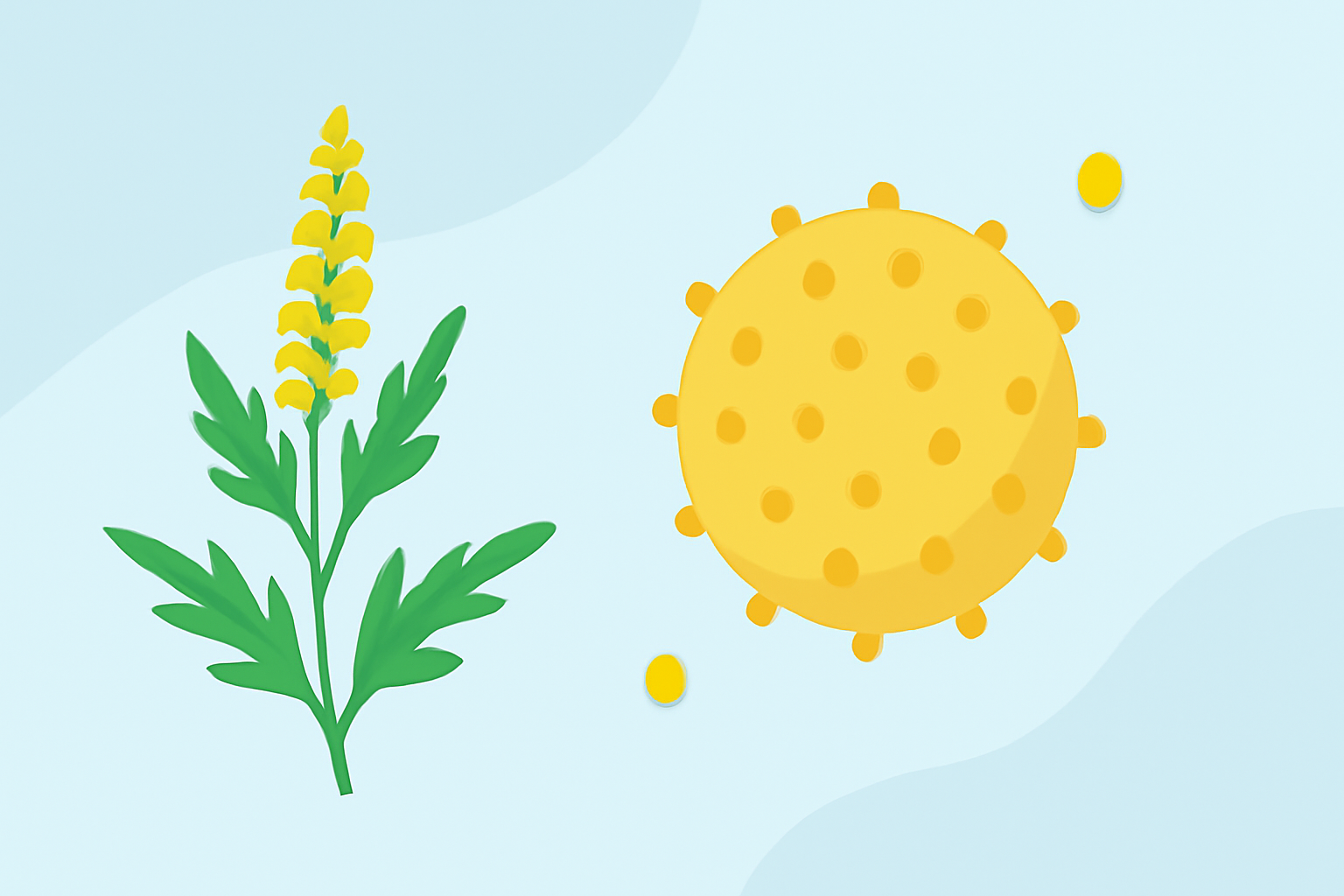
Ragweed pollen season is a significant concern for many individuals in the United States, especially during late summer and early fall. Understanding its timing, effects, and management strategies can help alleviate discomfort associated with this allergen.
What Is Ragweed and When Does Its Pollen Season Occur?
Ragweed is a common weed found throughout the United States, except Alaska. It thrives in rural areas, fields, roadsides, and riverbanks. The pollen season for ragweed typically begins in August and can last until the first hard frost, which usually occurs between October and November, depending on the region. In most areas, the pollen levels peak in mid-September. (aafa.org)
How Does Ragweed Pollen Affect Health?
Exposure to ragweed pollen can lead to various allergic reactions, including:
-
Sneezing
-
Runny or congested nose
-
Itchy or watery eyes
-
Coughing
-
Throat irritation
-
Asthma flare-ups
These symptoms are due to the immune system's response to the pollen, which it mistakenly identifies as a harmful substance. (healthline.com)
How Has Climate Change Impacted Ragweed Pollen Seasons?
Recent studies indicate that climate change has led to longer ragweed pollen seasons. Between 1995 and 2015, ragweed pollen seasons have grown longer at 10 of the 11 locations studied. (19january2017snapshot.epa.gov)
What Are Effective Strategies to Manage Ragweed Allergies?
To manage ragweed allergies effectively, consider the following strategies:
-
Monitor Pollen Levels: Stay informed about local pollen forecasts to anticipate high pollen days.
-
Limit Outdoor Activities: On days with high pollen counts, especially during peak pollen release times (10 a.m. to 3 p.m.), reduce outdoor exposure.
-
Keep Windows Closed: During high pollen seasons, keep windows closed to prevent pollen from entering indoor spaces.
-
Use Air Purifiers: Utilize air purifiers with HEPA filters to reduce indoor pollen levels.
-
Shower After Outdoor Exposure: Rinse off pollen from skin and hair to prevent it from spreading indoors.
-
Consult Healthcare Professionals: Seek advice on over-the-counter or prescription medications, such as antihistamines or nasal corticosteroids, to alleviate symptoms. (iqair.com)
How Does Ragweed Pollen Spread?
Ragweed pollen is lightweight and can travel hundreds of miles on wind currents. This means that even if ragweed plants are not present in your immediate area, you may still experience allergic reactions due to pollen carried from distant locations. (my.clevelandclinic.org)
What Are the Common Symptoms of Ragweed Allergies?
Common symptoms include:
-
Sneezing
-
Runny or stuffy nose
-
Itchy or watery eyes
-
Coughing
-
Throat irritation
-
Asthma flare-ups
These symptoms are typically more severe during the peak pollen season. (my.clevelandclinic.org)
How Can I Stay Informed About Ragweed Pollen Levels?
Utilize local weather services, online pollen trackers, and mobile apps to monitor pollen levels in your area. This information can help you plan outdoor activities and take preventive measures during high pollen periods.
By understanding ragweed pollen season and implementing effective management strategies, individuals can reduce the impact of allergies and improve their quality of life during peak pollen periods.
Highlights:
- Richmond pollen surge to bring more weeks of allergy misery, Published on Monday, April 13