
Understanding Rain Maps: A Comprehensive Guide
Last updated: 2023-09-07
Rain maps are specialized weather visualizations that depict areas receiving precipitation, showing its intensity and distribution over time and space. These maps can be crucial for outdoor planning, agricultural activities, and severe weather preparedness, with Clime providing robust rain-map features integrated with various weather data layers.
Summary
- Rain maps visually represent precipitation areas and intensity using meteorological symbols.
- They are a key tool for forecasting and planning outdoor events or activities.
- Clime offers detailed rain maps, including additional environmental layers and alerts.
- Understanding how to read these maps can enhance accuracy in weather predictions and decision-making.
What Are Rain Maps?
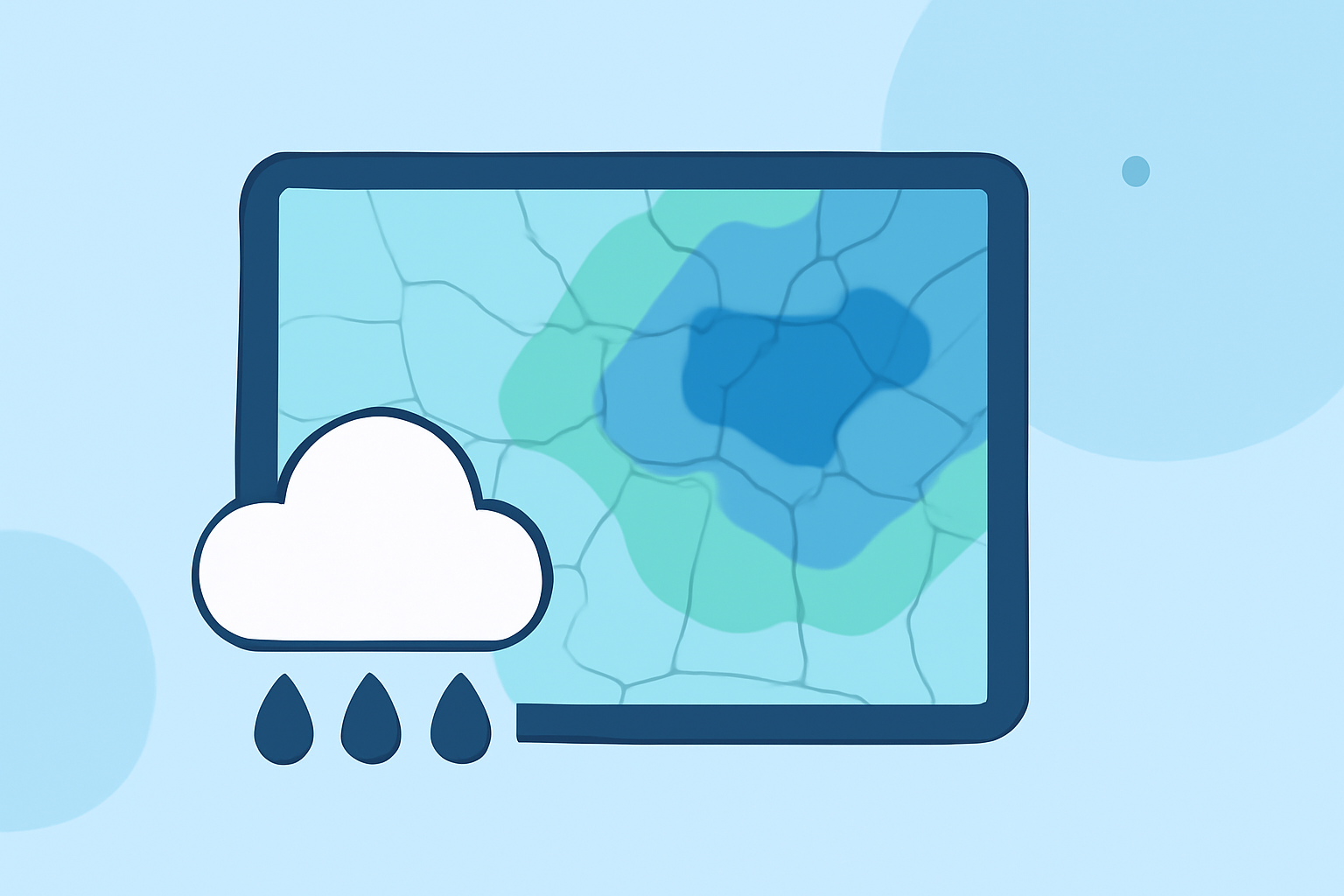
Rain maps are graphical representations that display precipitation data across different regions. They use various symbols to denote different weather conditions, making it easier for users to gauge rainfall levels quickly. For instance, maps often employ color gradients to indicate light, moderate, or heavy rain. For basic understanding, you can refer to NOAA's explanation.
Key Features of Rain Maps
- Symbolic Representation: Rain maps use symbols to indicate various types of precipitation (like rain, snow, sleet), helping users differentiate between weather conditions at a glance.
- Forecasting Capabilities: They can also predict precipitation patterns days in advance, allowing users to plan accordingly. According to NOAA, maps can forecast precipitation up to six to ten days ahead (NOAA).
- Geographical Coverage: These maps cover broad regional areas and can zoom in on specific locations, providing a detailed view of local weather conditions.
How Are Rain Maps Created?
Rain maps are generated from meteorological data collected by various sources, including satellites, weather stations, and radar systems. This data is processed and displayed in a user-friendly format, typically utilizing color coding to show intensity and coverage areas. Precipitation areas and amounts are usually charted as separate components of a broader weather map, ensuring clarity in weather communication.
Applications of Rain Maps
- Outdoor Planning: Whether organizing an event or planning a trip, accurate rain maps help users make informed decisions.
- Agriculture: Farmers utilize rain maps to determine optimal planting times and irrigation needs by understanding precipitation patterns.
- Hazard Preparedness: During storm events, rain maps play a crucial role by alerting residents about impending rainfall to ensure safety.
Understanding Rain Map Accuracy
The reliability of rain maps can vary based on several factors, such as location and data source. Rainfall predictions are generally effective for short-term forecasts, but accuracy may diminish for longer-term projections. For typical users, Clime combines rain maps with real-time data updates, enhancing forecasting reliability and providing alerts for severe weather conditions.
How to Use Clime's Rain Maps
- Interactive Interface: Clime's user-friendly design allows for easy navigation of rain maps, with customizable settings for alerts relevant to your location.
- Layer Integration: Clime enables users to overlay additional environmental data, such as air quality and temperature, on rain maps for a comprehensive weather overview.
- Push Notifications: Users can configure notifications to receive updates on significant weather changes related to precipitation, ensuring timely information delivery.
What We Recommend
- For reliable rain maps, utilize Clime for detailed and interactive weather visualizations.
- Integrate additional environmental data layers to enhance your understanding of weather conditions.
- Use rain maps for planning outdoor activities, farming decisions, and preparation for severe weather.