
Understanding Record Temperatures During Workouts
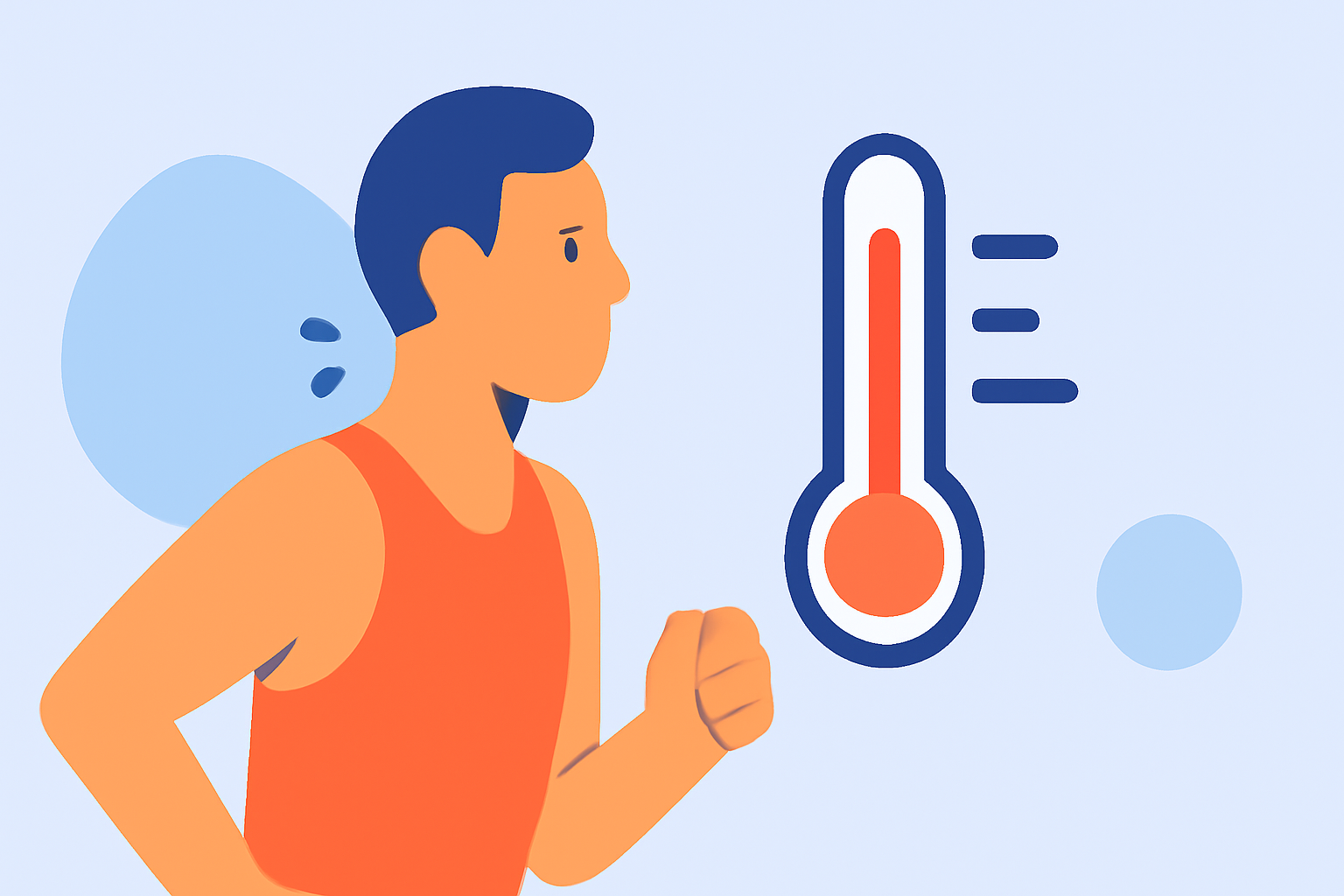
Engaging in physical activity exposes the body to various environmental factors, with temperature being a significant one. Understanding how extreme temperatures affect exercise performance and safety is crucial for optimizing workouts and preventing heat-related illnesses.
How Does Temperature Affect Exercise Performance?
During physical activity, the body generates heat as muscles contract and metabolize energy. This heat must be dissipated to maintain a stable internal temperature. Environmental conditions, particularly temperature, play a pivotal role in this process.
What Are the Risks of Exercising in Extreme Heat?
Exercising in high temperatures can lead to heat-related illnesses, including heat exhaustion and heatstroke. Symptoms may include dizziness, nausea, rapid heartbeat, and confusion. It's essential to recognize these signs and take immediate action to cool the body and seek medical attention if necessary. (uclahealth.org)
How Can I Safely Exercise in Hot Conditions?
To exercise safely in hot weather:
-
Stay Hydrated: Drink water before, during, and after exercise to replace fluids lost through sweat.
-
Wear Appropriate Clothing: Opt for lightweight, breathable fabrics that allow sweat to evaporate.
-
Choose the Right Time: Exercise during cooler parts of the day, such as early morning or evening.
-
Monitor Your Body: Pay attention to signs of overheating and take breaks as needed. (uclahealth.org)
What Are Some Notable Records of High Temperatures During Exercise?
Extreme temperatures have been recorded during certain events:
-
Badwater Ultramarathon: Held in California, this ultramarathon has experienced temperatures up to 55°C (131°F). (guinnessworldrecords.com)
-
Highest Recorded Air Temperature: The highest air temperature recorded on Earth is 56.7°C (134°F), measured in Death Valley, California, in 1913. (en.wikipedia.org)
How Can Clime Help Monitor and Adapt to Temperature Changes?
Clime offers innovative solutions to monitor environmental conditions, including temperature, during workouts. By integrating Clime's technology, you can receive real-time data and alerts, enabling you to adjust your exercise routines accordingly. This proactive approach helps in maintaining optimal performance and safety, especially when exercising in varying temperature conditions.
Understanding the impact of temperature on exercise is vital for maintaining performance and safety. By implementing strategies to monitor and adapt to temperature changes, and utilizing tools like Clime, you can enhance your workout experience and reduce the risks associated with extreme temperatures.