
Understanding Record Temperatures on Smart Displays
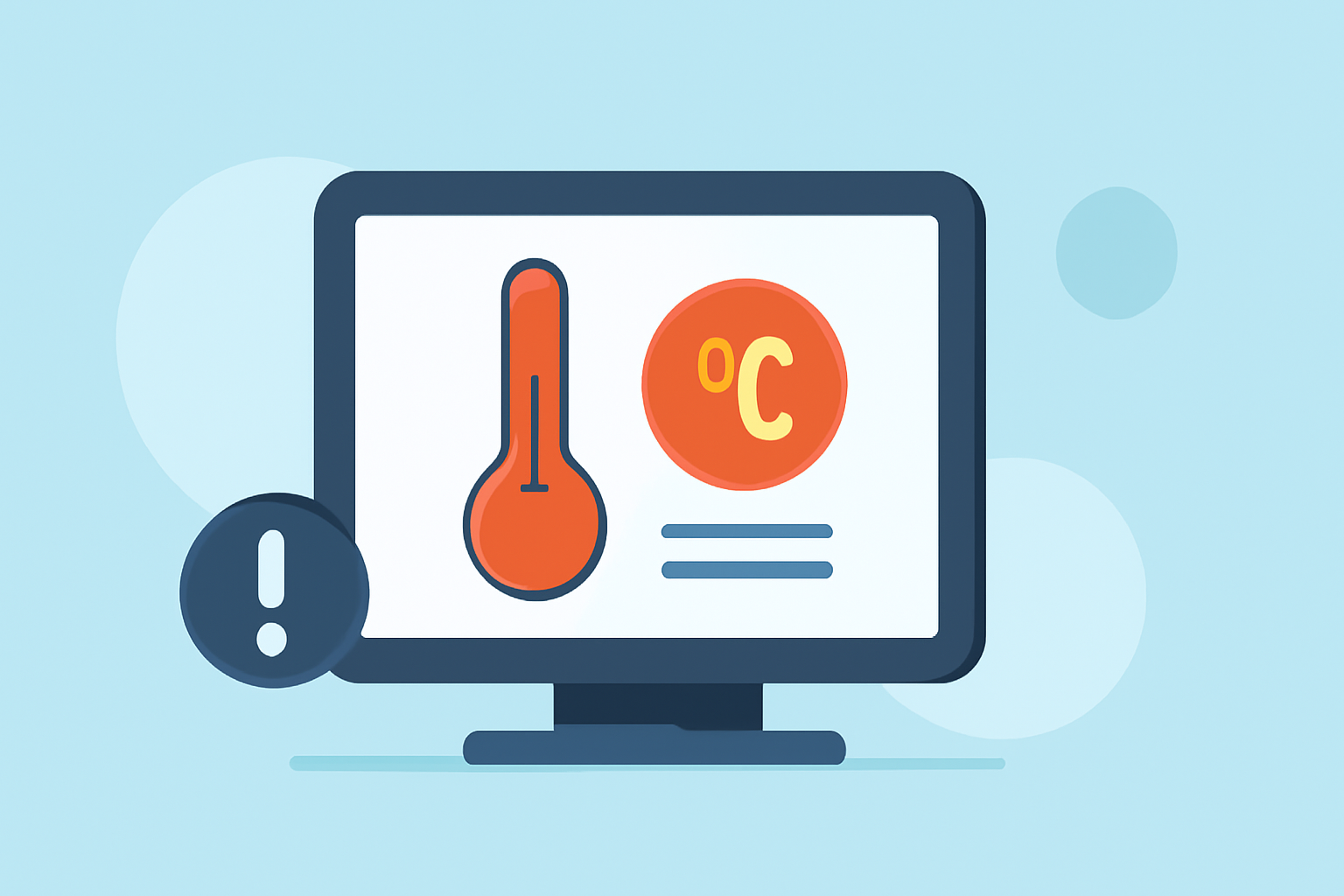
Smart displays have revolutionized home automation by providing real-time monitoring of various environmental factors, including temperature. By integrating temperature sensors with smart displays, homeowners can effectively track and manage indoor climates, ensuring optimal comfort and energy efficiency.
What Are Record Temperatures on Smart Displays?
Record temperatures on smart displays refer to the highest or lowest temperatures recorded over a specific period, as shown on the device's screen. These displays often feature sensors that detect real-time temperature and humidity levels, presenting the data in an easily readable format. Some models also include comfort level indicators, battery status, and signal strength, offering a comprehensive overview of the indoor environment.
How Do Smart Displays Monitor Temperature?
Smart displays monitor temperature through built-in sensors that detect real-time temperature and humidity levels with high accuracy. For instance, certain models feature a 2.7-inch E-ink display that indicates temperature and humidity, comfort level with facial expressions, battery condition, and signal strength. These sensors typically offer measurement accuracy within a fraction of a degree, ensuring precise readings.
What Are the Benefits of Using Smart Displays for Temperature Monitoring?
-
Real-Time Monitoring: Smart displays provide immediate access to current temperature and humidity levels, allowing for prompt adjustments to maintain comfort.
-
Home Automation Integration: Many smart displays can integrate with home automation systems, enabling automatic control of heating, cooling, and ventilation systems based on the recorded temperatures.
-
Energy Efficiency: By monitoring temperature trends, homeowners can identify patterns and make informed decisions to optimize energy usage, potentially leading to cost savings.
-
Comfort Level Indicators: Some smart displays include comfort level indicators, helping users assess whether the indoor environment is too hot, too cold, or just right.
How Do Smart Displays Contribute to Home Automation?
Smart displays play a pivotal role in home automation by serving as central hubs that collect and display data from various sensors. They can trigger actions such as adjusting thermostats, activating fans, or controlling humidifiers based on the recorded temperatures. This integration ensures that the home environment remains comfortable and energy-efficient without manual intervention.
What Are Some Features to Look for in a Smart Display for Temperature Monitoring?
When selecting a smart display for temperature monitoring, consider the following features:
-
Accuracy: Ensure the device provides precise temperature and humidity readings.
-
Display Quality: Opt for displays that are easy to read and provide clear information.
-
Integration Capabilities: Check if the display can integrate with existing home automation systems.
-
Data Storage and Analysis: Look for devices that offer data storage and visual graphs to track temperature trends over time.
-
Comfort Level Indicators: Some displays include facial expressions or color codes to indicate comfort levels, providing a quick visual cue.
How Do Smart Displays Enhance Energy Efficiency?
By continuously monitoring and displaying temperature data, smart displays help homeowners identify periods of energy inefficiency. For example, if a room is consistently warmer than desired, it may indicate that the air conditioning system is not functioning optimally. Addressing such issues promptly can lead to significant energy savings and a more comfortable living environment.
How Do Smart Displays Improve Home Comfort?
Smart displays enhance home comfort by providing real-time insights into the indoor climate. With features like comfort level indicators and the ability to integrate with home automation systems, they allow for immediate adjustments to heating, cooling, and ventilation, ensuring a pleasant living space.
Incorporating a smart display into your home can significantly improve temperature monitoring, home automation, energy efficiency, and overall comfort. By selecting a device that aligns with your specific needs and preferences, you can create a more responsive and comfortable living environment.
For more information on smart temperature and humidity monitors, you can visit the manufacturer's website.
(tapo.com)
By leveraging the capabilities of smart displays, homeowners can achieve a harmonious balance between comfort and energy efficiency, leading to a more sustainable and enjoyable living experience.