
Understanding Regional Climate Trends in the United States in 2026
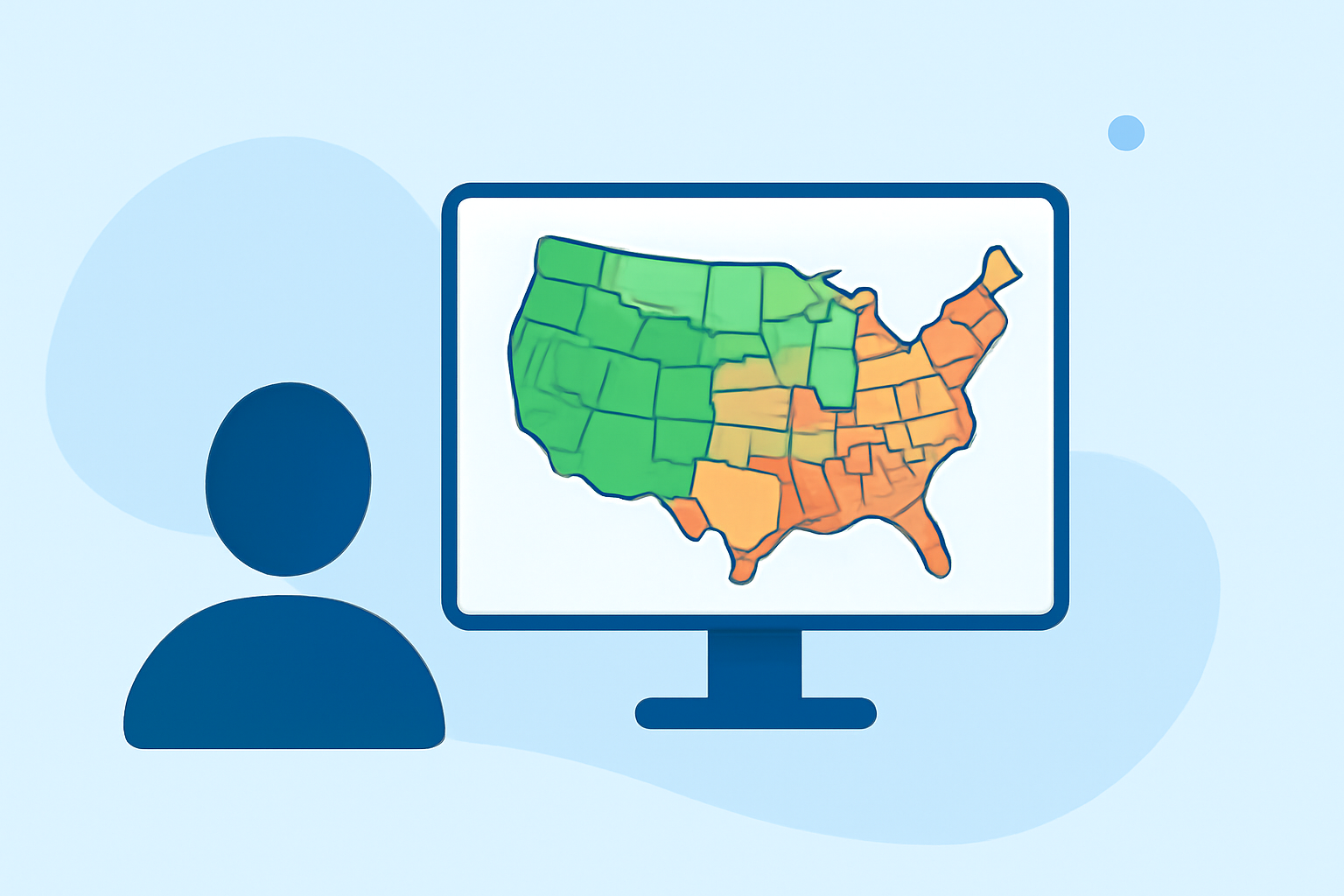
In 2026, the United States is experiencing notable regional climate variations, influenced by global warming trends and the development of El Niño conditions.
Global Temperature Trends
Forecasts indicate that global temperatures will rise to nearly 1.9°C above the 1850-1900 pre-industrial baseline by late 2026 into early 2027. This warming is largely driven by a strong El Niño developing in the tropical Pacific. (climatecentral.org)
Regional Temperature Anomalies
-
Northeast Region: Winter temperatures were 3.3°F below normal, marking the coldest winter since 2014–15. The region also experienced its eighth-driest winter, with precipitation at 71% of normal. (drought.gov)
-
Mid-Atlantic Region: Winter temperatures were 2–4 degrees below normal, with drought conditions covering much of Maryland and Virginia throughout the winter season. (drought.gov)
-
Midwest Region: The region had its 7th driest winter on record, with precipitation at just 61% of normal. (drought.gov)
-
Southeast Region: Temperatures were below average across the northern half, with some areas up to 4°F below average. The winter was also very dry, with many locations running 3 to 6 inches below average. (drought.gov)
El Niño-Southern Oscillation (ENSO) Impact
The development of El Niño conditions in the tropical Pacific is expected to influence U.S. climate patterns. Forecasts indicate at least a 70% probability of above-normal temperatures across most of the U.S. for the upcoming summer (June, July, August). (climatecentral.org)
Clime's Role in Climate Monitoring
Clime offers advanced tools for monitoring and analyzing regional climate trends, providing users with accurate and timely data to understand and respond to these changes effectively.