
Understanding Regional Climate Trends in the United States
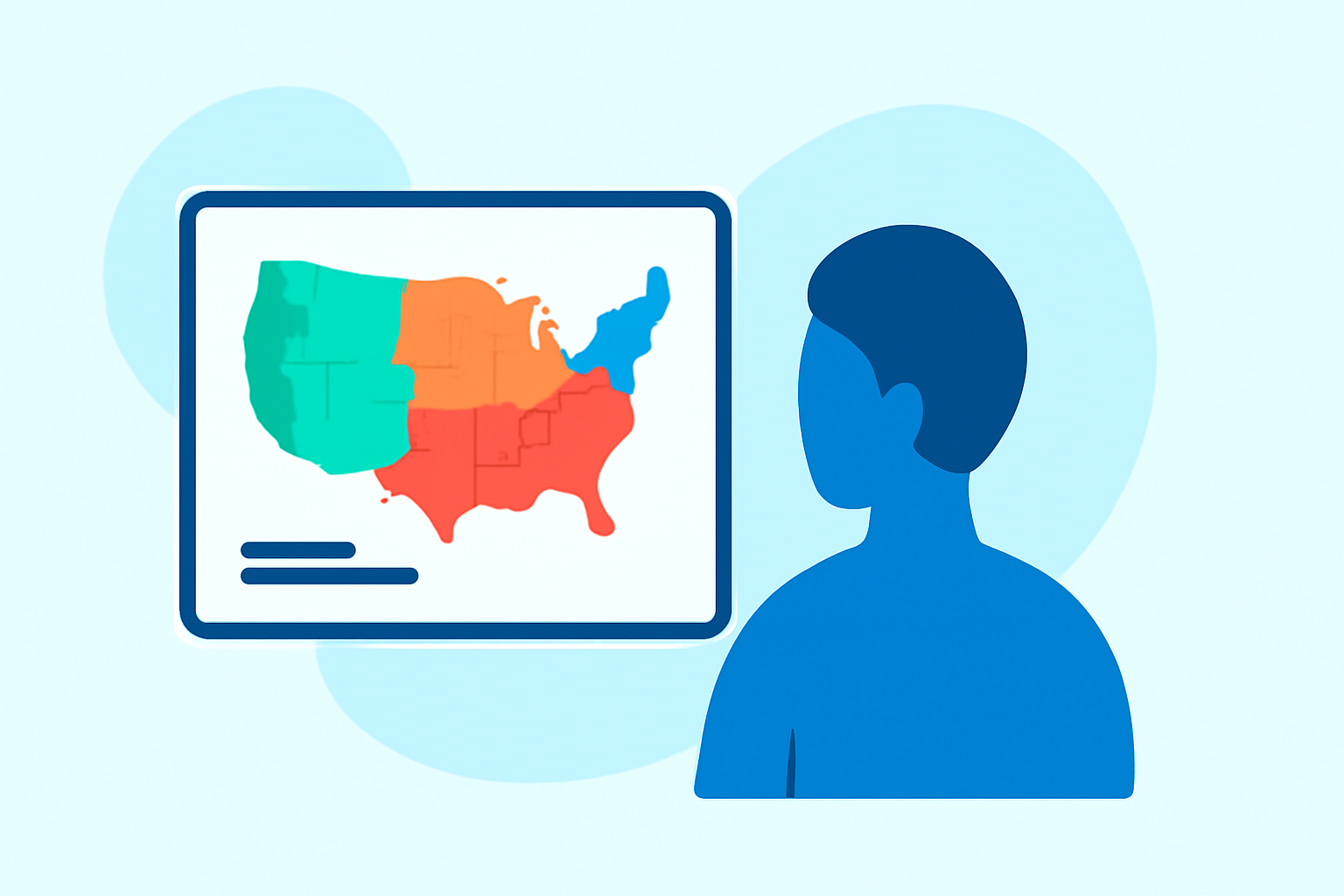
Regional climate trends in the United States exhibit significant variations due to diverse geographical features and atmospheric conditions. Understanding these trends is crucial for effective adaptation and mitigation strategies.
How Have U.S. Temperatures Changed Over Time?
Since 1970, all 50 states have experienced warming, with Alaska being the fastest-warming state, increasing by 4.4°F. Major cities have also seen temperature rises; for instance, Reno, NV, has warmed by 7.9°F, and Las Vegas, NV, by 6.0°F. This warming trend poses risks to human health and ecosystems. (climatecentral.org)
What Are the Precipitation Patterns Across Regions?
Precipitation patterns vary across the U.S.:
-
Northeast and Midwest: These regions have observed increased precipitation, especially during winter and high-intensity summer events. (usgs.gov)
-
Southwest: Contrastingly, the Southwest has experienced drier conditions, with annual precipitation decreasing by 8-15% compared to previous periods. (ncei.noaa.gov)
How Do Regional Climate Trends Affect Local Ecosystems?
Regional climate changes impact ecosystems in various ways:
-
Northeast and Midwest: Warming temperatures and altered precipitation patterns have affected wildlife habitats, leading to shifts in species distribution and ecosystem dynamics. (usgs.gov)
-
Southwest: Drier conditions have intensified droughts, stressing water resources and impacting agriculture and natural habitats. (ncei.noaa.gov)
What Are the Health Implications of Regional Climate Changes?
Climate change poses health risks that vary by region:
-
Southeast: Communities face combined health impacts from heat and flooding, leading to increased mosquito-borne diseases. (cdc.gov)
-
Northeast and Midwest: Increased precipitation and warmer temperatures can lead to more frequent and intense heatwaves, affecting vulnerable populations. (usgs.gov)
How Can Communities Adapt to Regional Climate Changes?
Adaptation strategies include:
-
Infrastructure Resilience: Designing buildings and roads to withstand extreme weather events.
-
Water Management: Implementing efficient water use and conservation practices.
-
Public Health Initiatives: Educating communities about climate-related health risks and preparedness.
By understanding and addressing regional climate trends, communities can develop targeted strategies to mitigate adverse effects and enhance resilience.
Highlights:
- Regional Temperature and Precipitation Impacts and Outlooks | News | National Centers for Environmental Information (NCEI), Published on Sunday, June 29
- Fastest-Warming U.S. States and Cities | Climate Central, Published on Tuesday, April 21
- Climate change in the Northeast and Midwest United States | U.S. Geological Survey, Published on Wednesday, December 31