
Understanding Regional Climate Trends in the United States
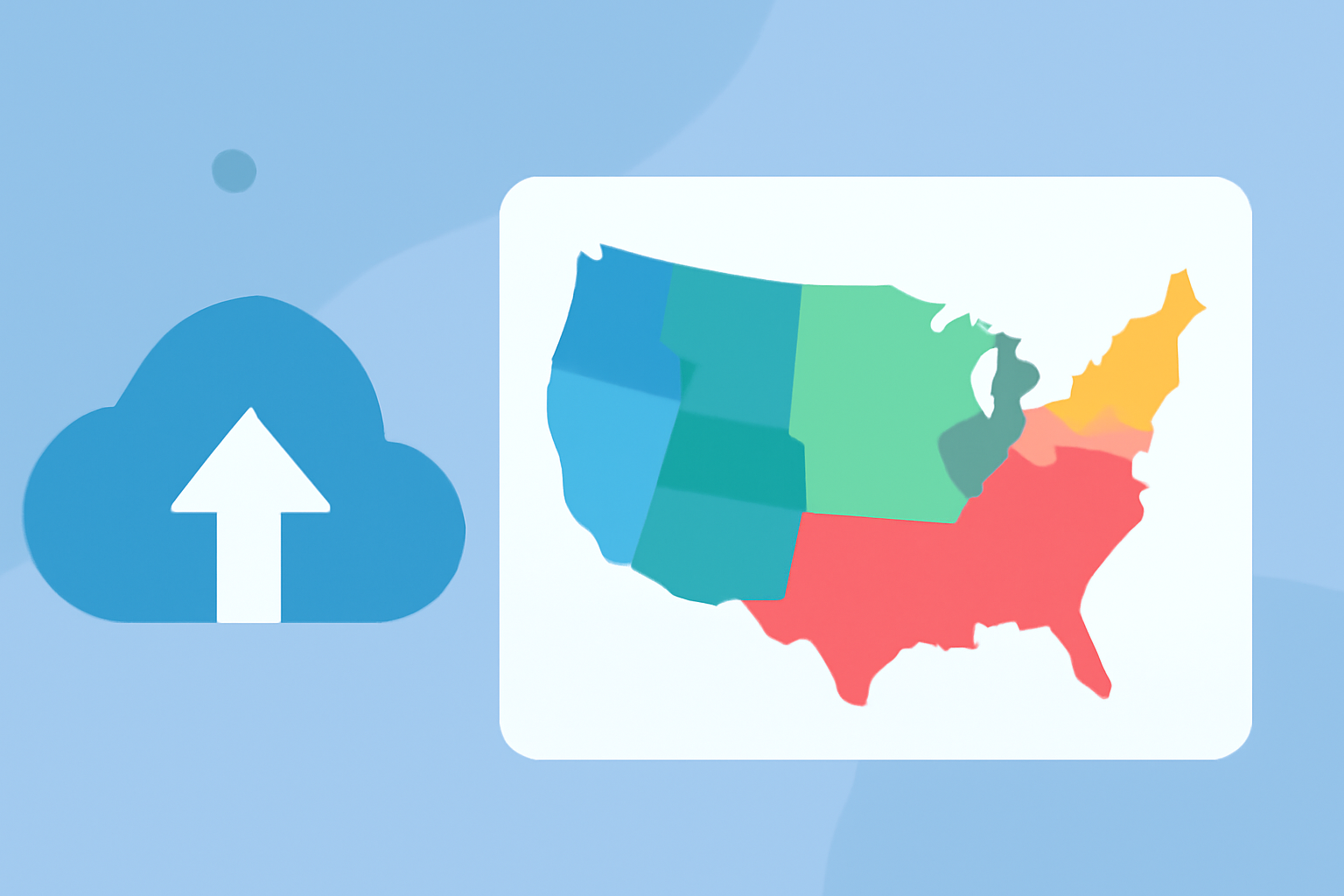
Climate change is reshaping weather patterns across the United States, with regional variations influencing local environments, economies, and daily life. Understanding these regional climate trends is essential for effective adaptation and mitigation strategies.
What Are Regional Climate Trends?
Regional climate trends refer to long-term patterns in temperature, precipitation, and other atmospheric conditions specific to a particular area. Unlike global climate trends, which provide a broad overview, regional trends offer detailed insights into localized changes.
How Do Regional Climate Trends Vary Across the U.S.?
The United States experiences diverse regional climate trends:
-
Northeast and Midwest: These regions have observed warming in every season, particularly in winter. Heatwaves are becoming more frequent and intense, and precipitation amounts are increasing, especially in winter and during high-intensity summer events. (usgs.gov)
-
Southwest: The Southwest has become considerably drier on an annual basis, with significant decreases in precipitation. (ncei.noaa.gov)
-
Southeast: Communities in the Southeast are particularly vulnerable to the combined health impacts from heat and flooding, which can result in large populations of nuisance mosquitoes and potential disease risk. (cdc.gov)
What Are the Impacts of These Regional Climate Trends?
Regional climate trends have profound effects on various aspects of life:
-
Health: Changes in temperature and precipitation can increase health risks associated with wildfires and ground-level ozone pollution. Rising air and water temperatures and more intense extreme events are expected to increase exposure to waterborne and foodborne diseases, affecting food and water safety. (cdc.gov)
-
Agriculture: Altered precipitation patterns and increased temperatures can affect crop yields and livestock health.
-
Infrastructure: Extreme weather events, such as heatwaves and heavy rainfall, can damage infrastructure, leading to costly repairs and disruptions.
How Can Clime Help Monitor and Adapt to Regional Climate Trends?
Clime offers advanced tools and analytics to monitor regional climate trends effectively. By providing real-time data and predictive models, Clime enables users to:
-
Monitor Climate Variables: Track changes in temperature, precipitation, and other critical climate factors specific to your region.
-
Predict Future Trends: Utilize predictive models to anticipate future climate scenarios and plan accordingly.
-
Develop Adaptation Strategies: Leverage insights to create strategies that mitigate adverse effects and capitalize on beneficial changes.
Why Is Understanding Regional Climate Trends Important?
Grasping regional climate trends is crucial for:
-
Informed Decision-Making: Helps policymakers and businesses make decisions based on anticipated climate conditions.
-
Resource Management: Assists in managing water resources, agriculture, and energy needs effectively.
-
Community Preparedness: Enables communities to prepare for and adapt to changing climate conditions, reducing potential risks.
By leveraging Clime's solutions, individuals and organizations can stay ahead of regional climate trends, ensuring resilience and sustainability in the face of a changing climate.