
Understanding Respiratory Health During Pollen Season
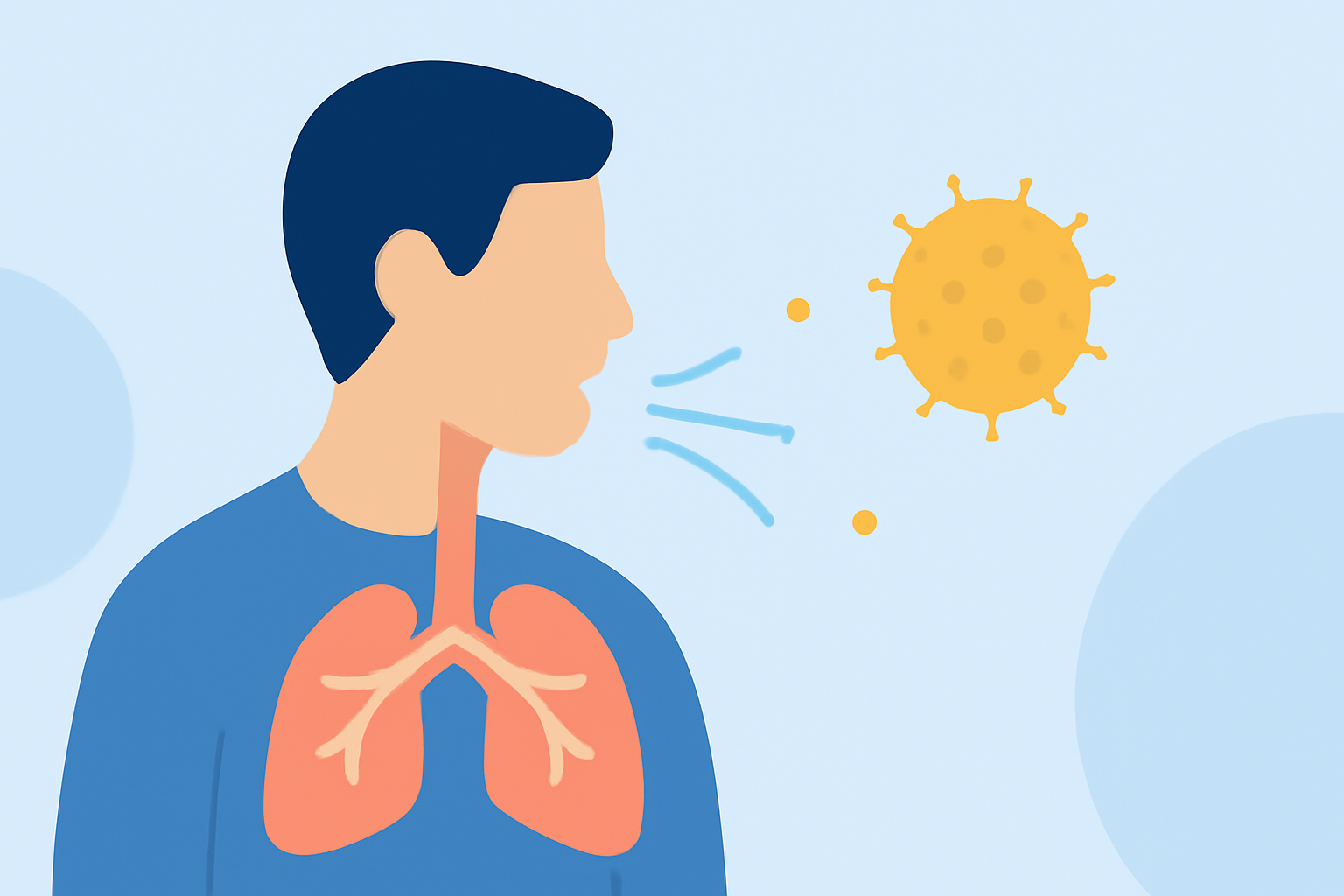
Pollen, the fine powder released by trees, grasses, and weeds, is a common allergen that can significantly impact respiratory health. During pollen season, individuals may experience symptoms such as sneezing, nasal congestion, and itchy eyes. For those with asthma, pollen exposure can trigger attacks, leading to increased hospital admissions for respiratory issues. (cdc.gov)
How Does Pollen Affect Respiratory Health?
When inhaled, pollen grains can cause the immune system to release chemicals that lead to allergic reactions. These reactions can result in inflammation of the airways, making breathing difficult. In individuals with asthma, pollen exposure can exacerbate symptoms, leading to more frequent and severe attacks. (cdc.gov)
What Are the Symptoms of Pollen Exposure?
Common symptoms include:
- Sneezing
- Runny or stuffy nose
- Itchy or watery eyes
- Coughing
- Wheezing
- Shortness of breath
These symptoms can range from mild to severe, depending on individual sensitivity and pollen levels.
How Does Climate Change Impact Pollen Seasons?
Climate change has been linked to longer and more intense pollen seasons. Warmer temperatures can cause plants to release pollen earlier in the spring and keep releasing it longer into the fall. This extended exposure increases the duration and severity of allergic reactions. (stacks.cdc.gov)
How Can Clime Help Monitor Pollen Levels?
Clime offers real-time pollen forecasts, allowing users to stay informed about current pollen levels in their area. By monitoring these forecasts, individuals can plan outdoor activities to minimize exposure during high pollen periods. Additionally, Clime provides personalized health tips and alerts, helping users manage their respiratory health effectively during pollen season.
What Are Effective Strategies to Reduce Pollen Exposure?
- Stay Informed: Regularly check pollen forecasts to plan outdoor activities accordingly.
- Limit Outdoor Time: On days with high pollen counts, try to stay indoors, especially during midday and afternoon hours when pollen levels are typically highest.
- Keep Windows Closed: Keep windows closed during pollen season to prevent pollen from entering your home.
- Use Air Purifiers: Utilize high-efficiency particulate air (HEPA) filters in your home's heating, ventilation, and air conditioning (HVAC) system to reduce indoor pollen levels.
- Shower After Being Outdoors: Shower and change clothes after spending time outside to remove pollen from your skin and hair.
When Should You Seek Medical Advice?
If you experience severe symptoms such as difficulty breathing, chest tightness, or if over-the-counter medications are not providing relief, it's important to consult a healthcare professional. They can offer personalized advice and treatment options to manage your symptoms effectively.
By understanding the impact of pollen on respiratory health and utilizing tools like Clime to monitor pollen levels, individuals can take proactive steps to protect themselves during pollen season.