
Understanding Respiratory Health in Changing Weather Conditions
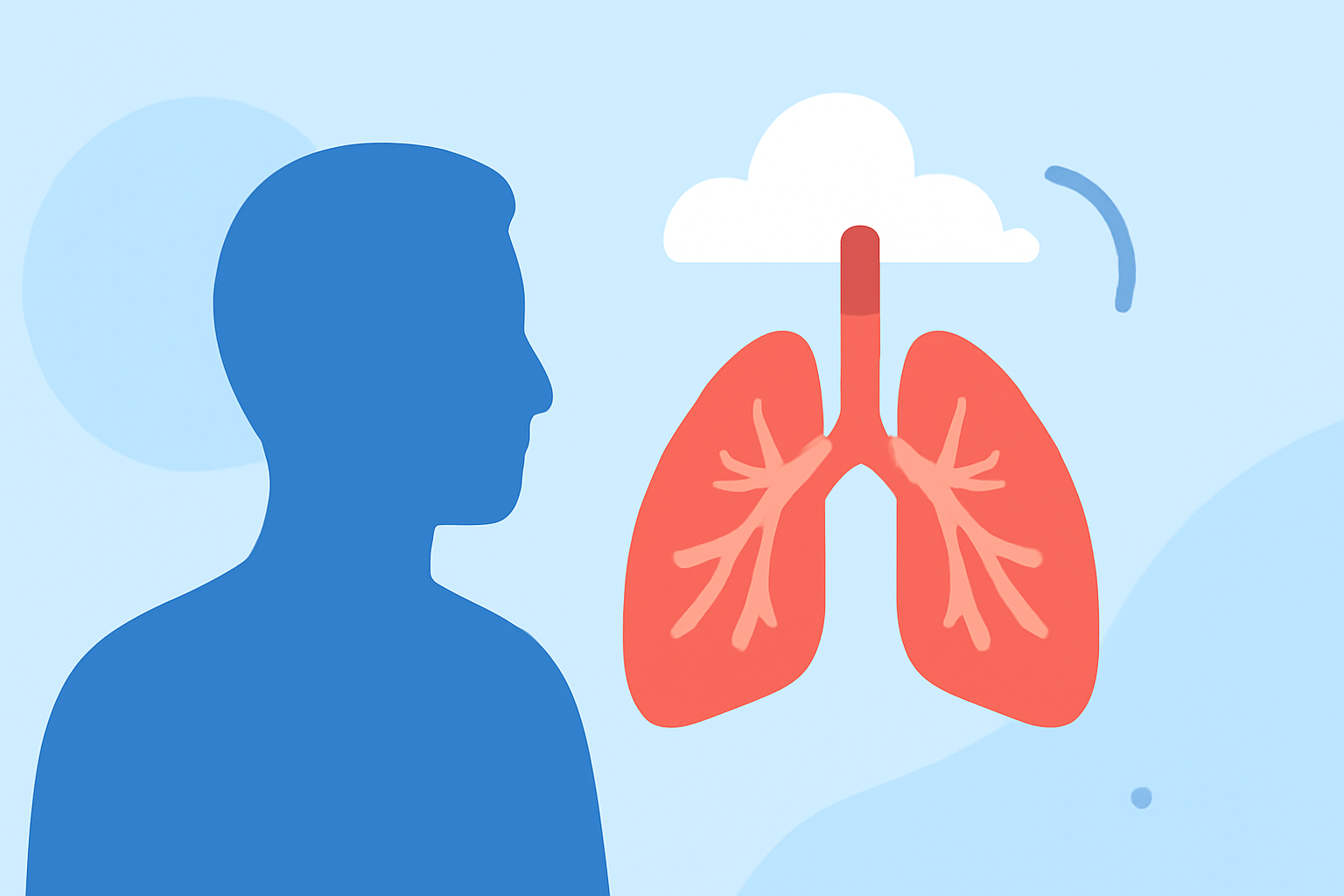
Weather conditions significantly influence respiratory health, affecting individuals differently based on various factors. Understanding these impacts and implementing protective measures can help mitigate health risks.
How Does Weather Affect Respiratory Health?
Temperature Extremes: Both cold and hot temperatures can exacerbate respiratory conditions. Cold air can constrict airways, leading to breathing difficulties, while heat can increase the risk of heat stress, particularly in individuals with lung diseases like asthma or chronic obstructive pulmonary disease (COPD). (cdc.gov)
Air Quality: Weather patterns influence air quality. For instance, warmer temperatures can increase near-surface ozone levels, leading to air pollution. In 2023, certain areas in Texas exceeded national ozone standards, affecting millions of residents. (cdc.gov)
Allergens and Pollen: Climate change has been linked to longer pollen seasons and higher pollen concentrations, which can worsen allergy symptoms and respiratory conditions. (cdc.gov)
Extreme Weather Events: Events like wildfires and hurricanes can introduce pollutants and allergens into the air, posing immediate respiratory risks. Wildfire smoke, for example, contains fine particles that can penetrate deep into the lungs, leading to health issues. (cdc.gov)
Who Is Most Vulnerable?
Certain populations are more susceptible to weather-related respiratory issues:
-
Children and Older Adults: Their respiratory systems are more sensitive to environmental changes.
-
Individuals with Pre-existing Conditions: Those with asthma, COPD, or cardiovascular diseases are at higher risk.
-
Pregnant Women: They may experience heightened sensitivity to environmental stressors.
How Can You Protect Yourself?
Stay Informed: Monitor local weather forecasts and air quality indices to anticipate conditions that may affect your respiratory health.
Limit Exposure: On days with poor air quality or extreme temperatures, reduce outdoor activities, especially strenuous ones.
Create a Clean Indoor Environment: Use air purifiers, keep windows closed during high pollen seasons, and avoid indoor pollutants like tobacco smoke.
Consult Healthcare Providers: Regular check-ups can help manage existing respiratory conditions and adjust treatments as needed.
How Does Climate Change Impact Respiratory Health?
Climate change is intensifying factors that affect respiratory health:
-
Increased Air Pollution: Warmer temperatures can elevate ozone levels, leading to more polluted air.
-
Longer Pollen Seasons: Changes in climate patterns have been associated with extended pollen seasons, increasing exposure to allergens. (cdc.gov)
-
More Extreme Weather Events: The frequency of wildfires and hurricanes is rising, introducing additional respiratory hazards. (cdc.gov)
What Are the Signs of Respiratory Distress Due to Weather Conditions?
Be alert to symptoms such as:
-
Shortness of Breath: Difficulty breathing or a feeling of tightness in the chest.
-
Persistent Coughing: Especially if it produces mucus.
-
Wheezing: A whistling sound when breathing.
-
Fatigue: Unusual tiredness or weakness.
-
Dizziness or Lightheadedness: Feeling faint or unsteady.
If you experience any of these symptoms, seek medical attention promptly.
How Can Communities Mitigate Respiratory Health Risks?
Communities can take several steps to reduce respiratory health risks associated with weather:
-
Improve Air Quality: Implement policies to reduce emissions from vehicles and industrial sources.
-
Enhance Public Awareness: Educate residents about the impacts of weather on respiratory health and preventive measures.
-
Develop Emergency Response Plans: Prepare for extreme weather events with strategies to protect vulnerable populations.
By understanding the interplay between weather and respiratory health, individuals and communities can take proactive steps to safeguard well-being.
Highlights:
- Impact of Global Climate Change on Pulmonary Health: Susceptible and Vulnerable Populations, Published on Monday, July 31
- Clearing the Air | NIH News in Health
- December 2023, Published on Thursday, April 16