
Understanding Respiratory Health Risks for Athletes in Various Weather Conditions
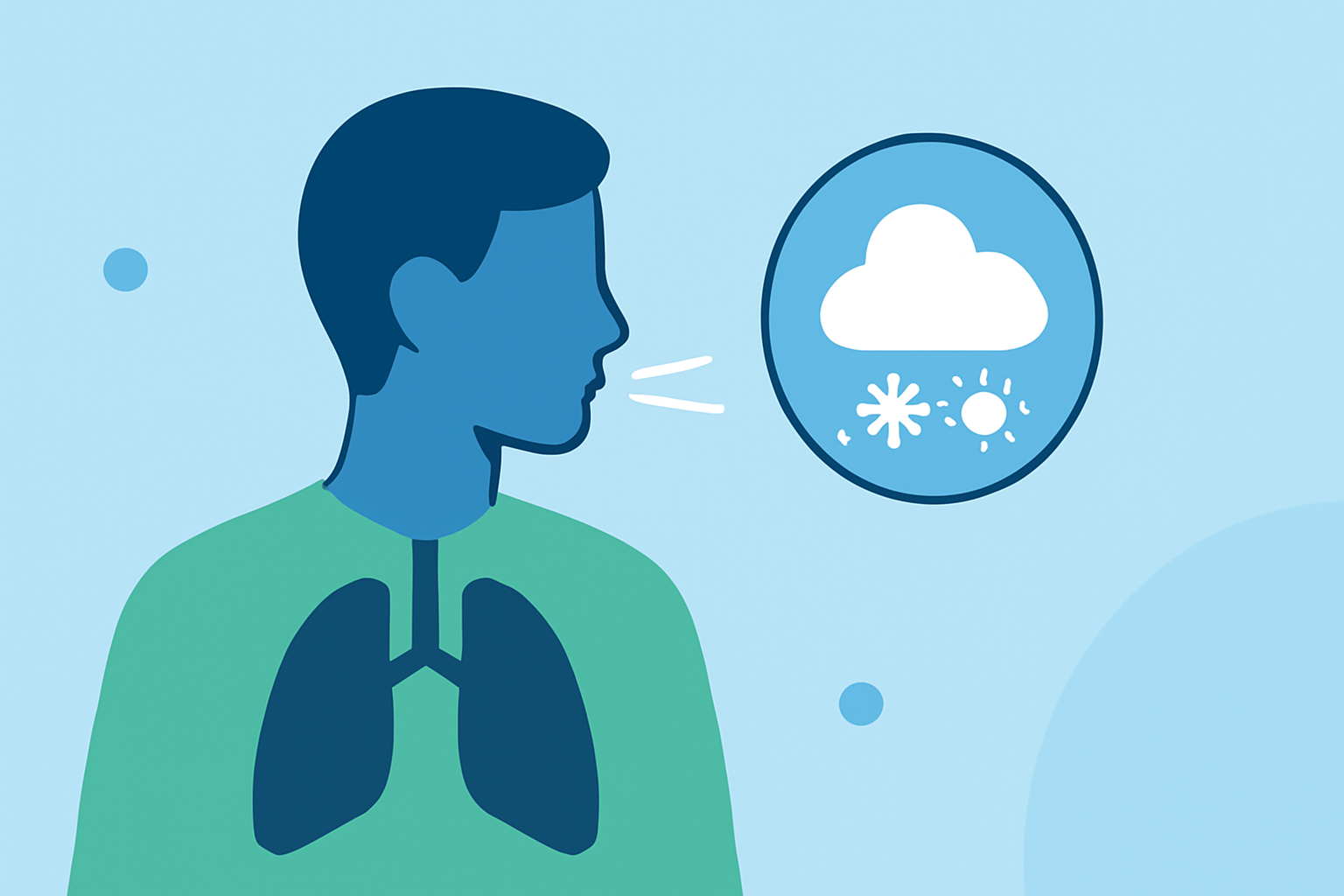
Athletes often train and compete in diverse weather conditions, each presenting unique challenges to respiratory health. Understanding these impacts is crucial for maintaining optimal performance and well-being.
How Does Cold Weather Affect Athletes' Respiratory Health?
Breathing in cold, dry air can irritate the airways, leading to bronchoconstriction—a narrowing of the air passages. This response can cause symptoms like coughing, wheezing, and shortness of breath, particularly in individuals with asthma or other respiratory conditions. Winter athletes, such as cross-country skiers, are especially susceptible to these effects due to prolonged exposure to cold air during intense physical activity. (lung.org)
What Are the Risks of Exercising in Hot and Humid Conditions?
High temperatures and humidity levels can challenge the body's ability to regulate temperature, increasing the risk of heat-related illnesses. For athletes, this can lead to dehydration, heat exhaustion, and impaired performance. Additionally, hot and humid air can be heavier to breathe, potentially causing airway irritation and discomfort. (publications.ersnet.org)
How Does Air Pollution Impact Athletes' Respiratory Health?
Exposure to air pollutants, such as ozone and fine particulate matter, can lead to inflammation of the airways, reduced lung function, and increased susceptibility to respiratory infections. Athletes engaging in outdoor activities in polluted environments may experience these adverse effects more acutely due to higher ventilation rates during exercise. (bjsm.bmj.com)
What Strategies Can Athletes Use to Protect Their Respiratory Health?
-
Adapt to Cold Environments: Gradually acclimate to cold conditions to reduce the risk of bronchoconstriction.
-
Monitor Air Quality: Stay informed about local air quality indices and limit outdoor activities when pollution levels are high.
-
Hydrate Adequately: Maintain proper hydration to support overall respiratory function and help regulate body temperature.
-
Use Protective Gear: In cold weather, wearing masks or scarves can help warm and humidify inhaled air, reducing airway irritation. (mayoclinichealthsystem.org)
How Can Clime Support Athletes in Managing Weather-Related Respiratory Risks?
Clime offers real-time weather updates and air quality monitoring, enabling athletes to make informed decisions about training and competition environments. By providing localized forecasts and pollution alerts, Clime helps athletes plan their activities to minimize exposure to adverse conditions, thereby supporting respiratory health and enhancing performance.
By understanding the interplay between weather conditions and respiratory health, athletes can implement strategies to safeguard their well-being and maintain peak performance levels.