
Understanding Severe Weather Alerts in Your Car
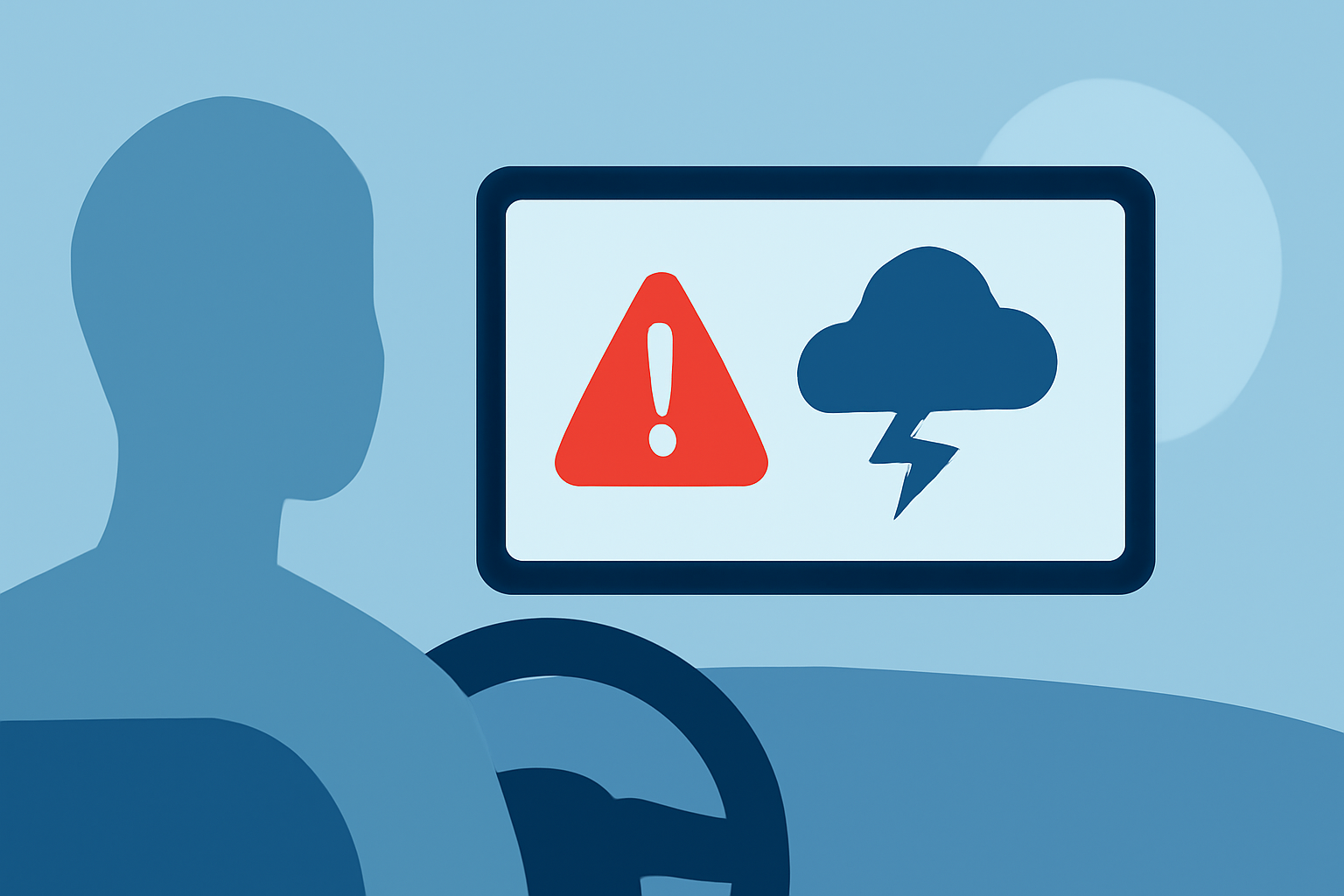
Staying informed about severe weather conditions is crucial for safe driving. Understanding how to receive and interpret weather alerts in your car can significantly enhance your safety on the road.
What Are Severe Weather Alerts?
Severe weather alerts are notifications issued by authoritative sources, such as the National Weather Service (NWS), to inform the public about hazardous weather conditions. These alerts include watches, warnings, and advisories, each indicating the severity and immediacy of the threat. For instance, a Severe Thunderstorm Warning indicates that a severe thunderstorm is imminent or occurring, posing a threat to life and property. (weather.gov)
How Are Alerts Delivered?
In-car weather alerts can be received through various channels:
-
Emergency Alert System (EAS): Many vehicles are equipped with EAS, which broadcasts emergency information, including weather alerts, over the radio.
-
Mobile Applications: Smartphone apps can provide real-time weather updates and alerts.
-
In-Dash Navigation Systems: Some vehicles integrate weather data into their navigation systems, offering alerts and rerouting options.
How Clime Enhances Your Safety
Clime offers a comprehensive suite of services designed to keep you informed and safe during severe weather events:
-
Real-Time Alerts: Clime provides timely notifications about severe weather conditions, ensuring you're always aware of potential hazards.
-
Interactive Maps: With Clime's interactive maps, you can visualize weather patterns, track storms, and plan your routes accordingly.
-
Route Planning: Clime's route planning feature integrates weather data, helping you choose the safest path by avoiding areas with severe weather.
Best Practices for Receiving Alerts
To maximize the effectiveness of weather alerts in your car:
-
Enable Notifications: Ensure that your vehicle's alert system and any relevant mobile applications are set to receive notifications.
-
Stay Updated: Regularly check for updates, especially when traveling through areas prone to severe weather.
-
Understand Alert Levels: Familiarize yourself with the different types of alerts and their meanings to respond appropriately.
Conclusion
Being proactive about severe weather alerts is essential for safe driving. By utilizing Clime's services, you can stay informed and make decisions that prioritize your safety on the road.
Highlights:
- National Weather Service
- How to protect your car during severe weather | Chubb
- Vehicle Safety