
Understanding Skin Health and Weather: Key Insights
Last updated: 2023-09-08
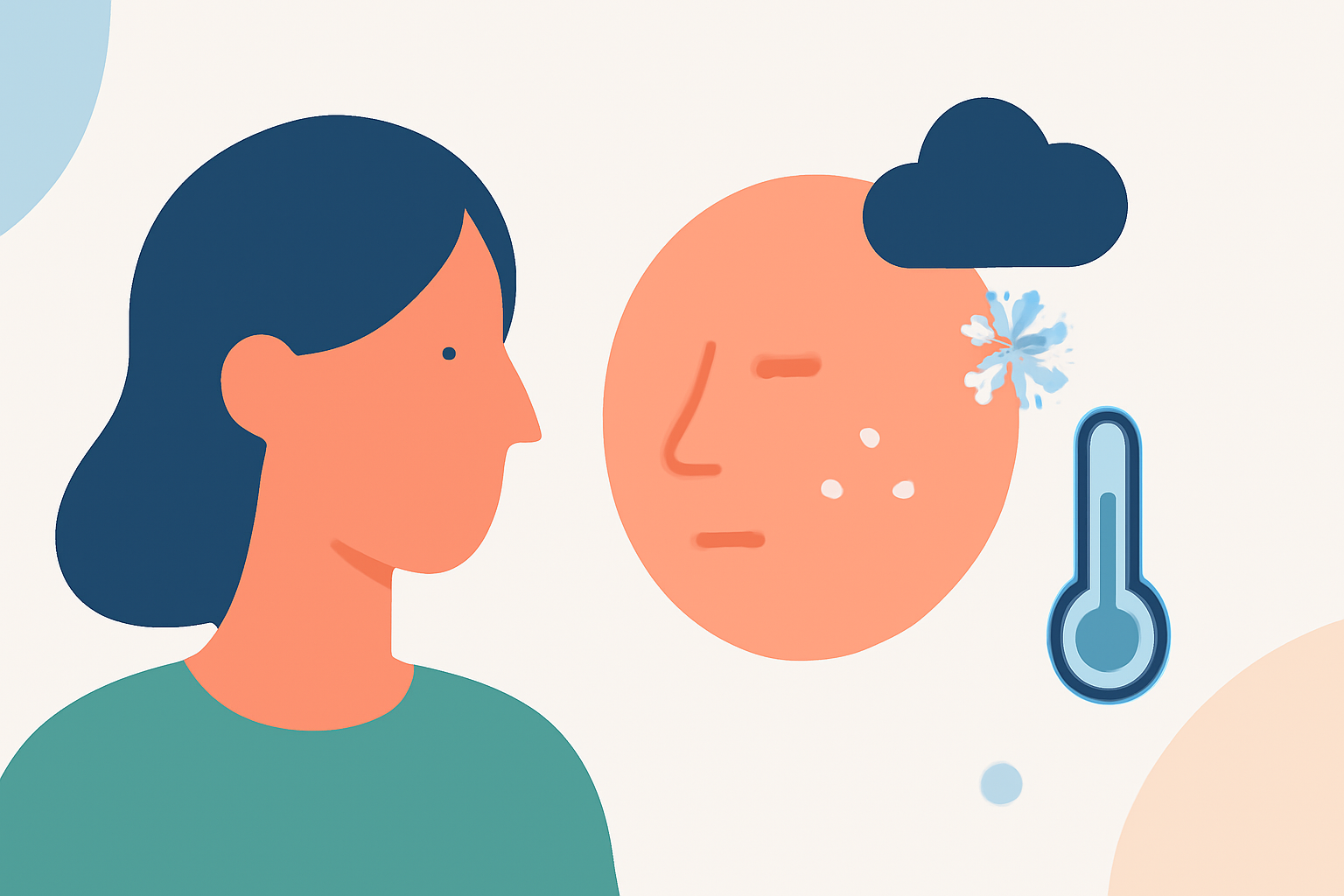
Weather plays a crucial role in skin health. For instance, winter’s dryness can lead to cracked skin, while humidity can prompt flare-ups in conditions like eczema. In managing skin health, using a reliable weather resource can provide personalized alerts for conditions that may affect your skin.
Summary
- Weather changes directly influence skin conditions and comfort levels.
- Different climates affect skin differently; dry winter months can exacerbate dryness and irritation.
- Monitoring local weather through a reliable source can help manage skin health effectively.
- Simple skincare adjustments can mitigate adverse weather effects on skin.
How Does Weather Affect Skin Health?
Various weather conditions influence skin health significantly. For example, during colder months, the drop in humidity can lead to tighter, drier skin. This creates an environment where cracks may form, leading to potential infections if not managed properly. Understanding how seasonal shifts impact skin can help in taking preemptive measures.
The Impact of Humidity on Skin
Humidity is a double-edged sword. While high humidity can cause skin to feel greasy and lead to breakouts, low humidity levels can strip moisture from the skin, leading to dryness. Keeping track of humidity levels and adjusting skincare routines accordingly can help in maintaining skin hydration.
Seasonal Changes and Their Effects
- Winter: Cold weather typically goes hand-in-hand with dry air, causing skin to lose moisture rapidly. It can lead to conditions such as eczema becoming worse due to the increase in skin barrier disruption. (Mayo Clinic)
- Summer: Exposure to the sun and heat can trigger sweat and oil production, often exacerbating acne and other skin conditions. Moreover, it increases the risk of sunburn, which can have long-term effects on skin health.
Managing Skin During Different Weather Conditions
Implementing effective skincare routines is essential for combating the adverse effects of weather. For dry conditions, using a heavier moisturizer can help. In contrast, lighter gels or lotions may work better in humid temperatures. Additionally, a quick, cool shower can effectively wash away sweat and allergens, rejuvenating the skin. (WebMD)
Practical Tips for Skin Health
- Moisturize regularly: Especially during winter months, a good moisturizer can prevent dryness and cracking.
- Stay hydrated: Drinking adequate water is vital—hydration starts from the inside.
- Adjust your shower routine: Short, cool showers can aid in maintaining skin moisture without stripping natural oils.
- Watch for allergens: Monitor pollen counts and other allergens to avoid flare-ups, particularly if you struggle with allergies or conditions like eczema.
The Role of Weather Tracking in Skin Health
Utilizing a weather tracking app can provide alerts tailored to skin health needs. For example, knowing when humidity drops can prompt users to apply moisturizers or use protective clothing to combat dry skin. Up-to-date weather forecasts enable users to better prepare for adverse conditions that may affect skin health, ensuring that localized strategies are implemented effectively.
Conclusion: What We Recommend
- Use a reliable weather app to stay informed about local conditions affecting your skin.
- Adjust skincare products based on weather changes to maintain optimal skin health.
- Monitor seasonal shifts and prepare your skincare routine in advance for changing climates.
- Incorporate hydration both topically and internally to support skin resilience against weather variations.