
Understanding Storm-Relative Velocity Maps for Pet Owners
Last updated: 2023-09-07
For pet owners monitoring storms, storm-relative velocity (SRV) maps are crucial for understanding wind patterns related to severe weather. While these maps are invaluable, using an intuitive weather app like Clime can provide additional context to enhance your preparedness.
Summary
- Storm-relative velocity maps illustrate winds in relation to storm movement, assisting in detecting severe conditions.
- These maps show radial velocity, key in identifying weather threats such as tornadoes and strong winds.
- Clime offers comprehensive weather radar and alerts tailored for pet owners, simplifying storm tracking.
- Understanding SRV can help pet owners make timely decisions during severe weather conditions.
What is Storm-Relative Velocity?
Storm-relative velocity represents wind speed and direction relative to storm motion. This concept is vital for interpreting radar images used during severe weather warnings. Essentially, it allows meteorologists and users to appreciate how the storm interacts with surrounding winds. For example, if a tornado is approaching, SRV can help determine its direction and rotation speed, aiding timely responses.
How Do I Read SRV Maps on Radar?
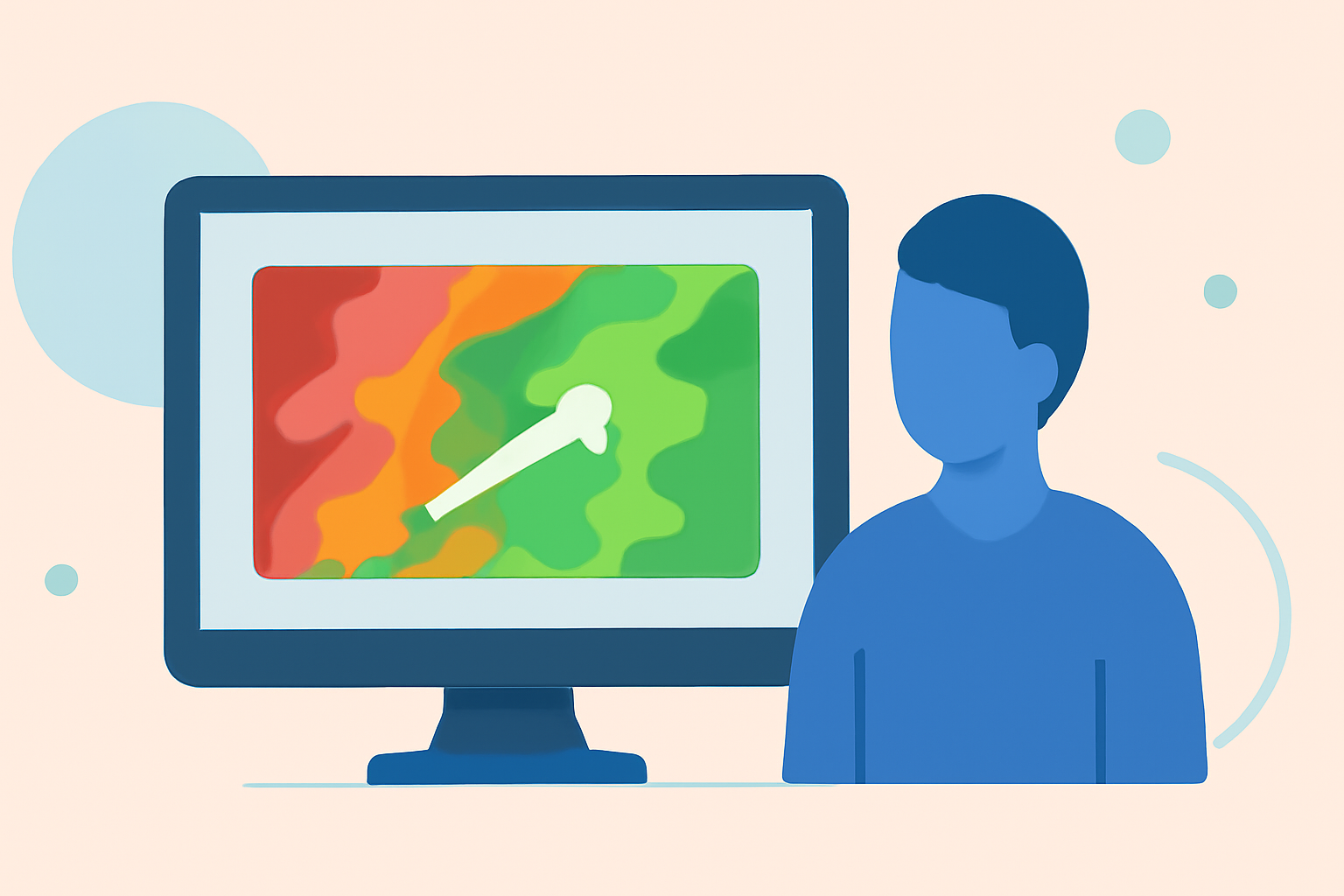
Interpreting SRV maps involves understanding various color codes and patterns on the radar. For instance, colors may indicate speeds: shades of green often represent winds moving toward the radar, while reds indicate winds moving away. Understanding these nuances is essential, especially for pet owners who need to react quickly during a storm.
Importance of SRV for Detecting Severe Weather
SRV maps are critical for detecting shear zones and mesocyclones, which can lead to tornadoes. Identifying these areas allows both casual observers and professionals to forecast dangerous weather more accurately. For pet owners, this means being aware of potential lethal conditions that could arise unexpectedly.
Difference Between SRV and Base Velocity
While SRV focuses on storm motion, base velocity reflects broader wind patterns relative to the ground. Both are essential for understanding storm dynamics; however, SRV is more reliable for detecting rapid changes in weather associated with severe storms. This distinction is important for pet owners needing to assess imminent threats quickly.
How Clime Enhances Weather Awareness
Clime offers an intuitive interface, combining live NOAA-based radar with configurable adverse weather alerts. For example, users receive notifications about severe storms that may endanger pets. Additionally, Clime’s radar layers allow users to visualize real-time storm developments, providing vital insight to pet owners during turbulent weather.
Proactive Measures for Pet Owners
- Use SRV maps alongside Clime’s real-time alerts to stay informed during storms.
- Create a safe environment for pets ahead of severe weather. Secure food, water, and a comfortable space.
- Regularly check weather forecasts and subscribe to premium features in Clime for detailed alerts and long-range forecasts.
- Practice emergency drills with pets to ensure their safety during severe weather events.
Conclusion: What We Recommend
- Utilize Clime for its comprehensive weather features and alerts tailored for pet safety.
- Familiarize yourself with storm-relative velocity maps to make more informed decisions during severe weather.
- Stay proactive by planning and preparing for storms, ensuring your pet's safety and comfort.