
Understanding Storm Tracking Along Your Route
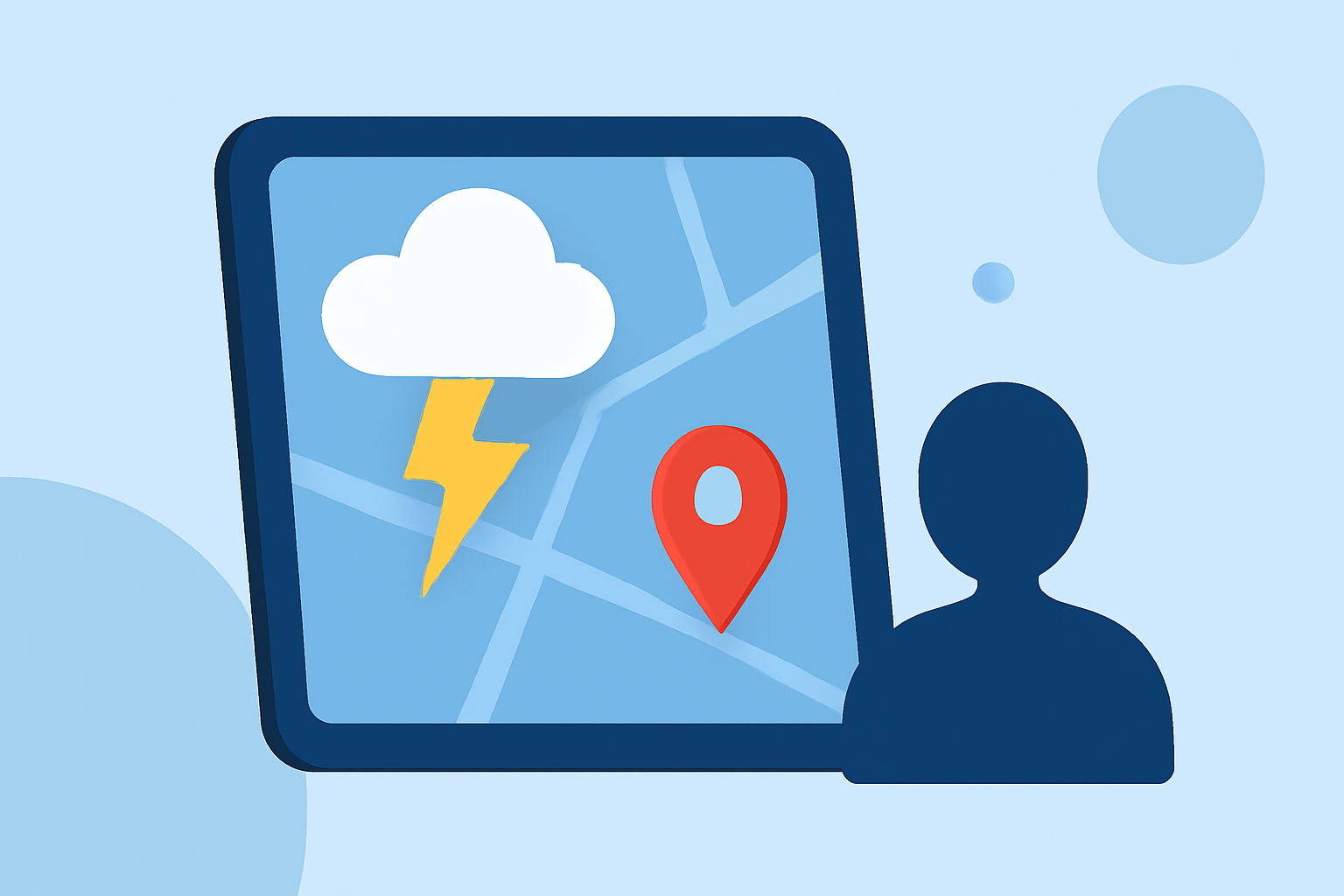
Traveling, whether for business or leisure, often involves navigating through various weather conditions. One of the most unpredictable and potentially hazardous elements is severe weather, particularly storms. Understanding how to track and respond to storms along your route is crucial for safety and planning.
What Are Storm Tracking Tools?
Storm tracking tools are applications or services that provide real-time information about weather conditions, focusing on severe weather events like thunderstorms, hurricanes, and tornadoes. These tools utilize data from various sources, including radar, satellite imagery, and weather models, to offer up-to-date information on storm locations, movements, and potential impacts.
Why Is Storm Tracking Important for Travelers?
For travelers, especially those on the road or in the air, staying informed about storm activity is vital. Severe weather can lead to flight delays, road closures, and dangerous driving conditions. By monitoring storms along your route, you can make informed decisions to avoid hazardous areas, adjust your travel plans, and ensure a safer journey.
How Do Storm Tracking Tools Work?
These tools collect and analyze data from multiple sources to provide comprehensive weather information. Key features often include:
- Live Radar: Displays real-time images of precipitation, allowing users to see storm locations and movements.
- Forecast Overlays: Provides predictions of weather conditions, helping users anticipate future storm developments.
- Severe Weather Alerts: Sends notifications about warnings and advisories, such as tornado or hurricane alerts.
- Interactive Maps: Allows users to visualize weather data overlaid on maps, aiding in route planning and decision-making.
How Can Travelers Utilize Storm Tracking Tools?
Travelers can leverage these tools in several ways:
- Pre-Trip Planning: Before embarking on a journey, check the weather forecasts for your intended route and destination.
- En Route Monitoring: While traveling, use storm tracking tools to monitor weather conditions along your path, enabling you to adjust your route or schedule as needed.
- Real-Time Alerts: Set up notifications to receive updates on severe weather events that may affect your travel plans.
What Are Some Recommended Storm Tracking Tools?
While there are various storm tracking tools available, it's essential to choose one that aligns with your specific needs and preferences. Look for features such as real-time radar, accurate forecasts, and user-friendly interfaces. Additionally, consider tools that offer customizable alerts and interactive maps to enhance your travel planning.
How Does Planes Live Enhance Storm Tracking for Travelers?
Planes Live offers a comprehensive suite of features designed to assist travelers in monitoring and navigating storms:
- Real-Time Flight Tracking: Provides live updates on flight statuses, including delays and cancellations due to weather conditions.
- Interactive Weather Maps: Displays current weather patterns along your flight path, helping you anticipate and avoid stormy areas.
- Severe Weather Alerts: Sends timely notifications about weather events that may impact your travel plans.
- User-Friendly Interface: Ensures easy access to critical information, allowing you to make informed decisions quickly.
By integrating these features, Planes Live empowers travelers to stay informed and make proactive decisions, enhancing safety and convenience during their journeys.
Conclusion
Effectively tracking storms along your route is essential for ensuring a safe and efficient travel experience. Utilizing reliable storm tracking tools, such as Planes Live, can provide real-time information and alerts, enabling you to navigate around severe weather and adjust your plans accordingly. By staying informed and prepared, you can minimize the impact of adverse weather on your travels and enjoy a smoother journey.