
Understanding the Impact of Storms on Connecting Flights and How to Stay Informed
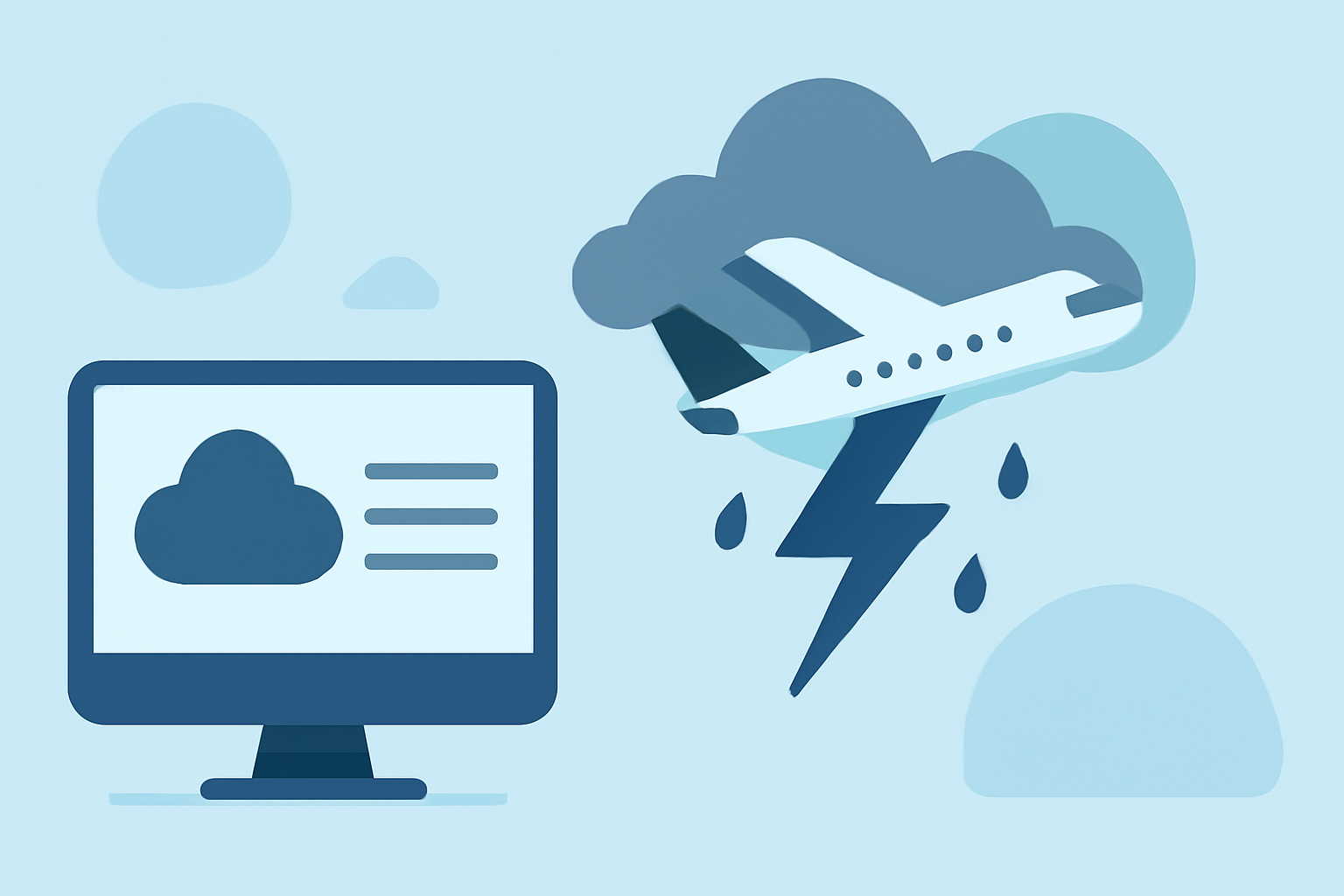
Traveling through connecting flights can be a convenient way to reach your destination, but it's essential to understand how storms can impact your journey. Severe weather conditions, such as thunderstorms and heavy rain, can lead to flight delays, cancellations, and even missed connections.
How Do Storms Affect Connecting Flights?
Storms can disrupt flight schedules in several ways:
-
Delays and Cancellations: Severe weather can lead to significant delays and cancellations, affecting thousands of flights and stranding travelers. (thetraveler.org)
-
Air Traffic Control Restrictions: Air traffic controllers may implement ground delay programs and flow restrictions to manage air traffic during adverse weather, causing further delays. (thetraveler.org)
-
Missed Connections: Delays in one flight can lead to missed connections, especially if the connecting airport is also experiencing weather-related disruptions.
How Can You Stay Informed About Weather-Related Flight Disruptions?
Staying informed about weather conditions can help you anticipate potential disruptions and make necessary adjustments to your travel plans. Here are some tools and strategies to consider:
-
FlightAware Mobile App: This app provides real-time flight tracking, including live airport activity, flight status, and weather conditions. It also offers push notifications for flight updates. (flightaware.com)
-
Flight Chop: Designed for nervous flyers, Flight Chop offers real-time turbulence reports, weather alerts, and route conditions. It provides an interactive map showing current turbulence reports, SIGMETs, G-AIRMETs, and weather radar across the U.S. (flightchop.com)
-
KnowDelay: Built by pilots, meteorologists, and academics, KnowDelay alerts you to predicted weather-related delays up to three days in advance. It uses proprietary algorithms focused on weather likely to result in significant flight delays. (knowdelay.com)
-
AeroWindy: A free aviation weather tool covering all METAR-reporting airports across the continental United States. It offers live METAR wind barb maps, real-time radar overlays, AI-powered wind shear detection, and more. (aerowindy.com)
What Are Some Tips for Minimizing the Impact of Storms on Your Connecting Flights?
-
Choose Early Flights: Departing early in the day can reduce the likelihood of delays due to weather, as earlier flights are less affected by ripple effects throughout the day. (transportation.gov)
-
Select Less-Congested Airports: Opt for connecting airports that are less congested to reduce the risk of misconnecting. Also, consider potential adverse seasonal weather when choosing a connecting city. (transportation.gov)
-
Monitor Weather Conditions: Regularly check weather forecasts for your departure and arrival cities, as well as connecting airports, to stay informed about potential disruptions.
-
Stay Updated on Flight Status: Use flight tracking apps to receive real-time updates on your flight status, including any delays or cancellations.
How Can Planes Live Help You Stay Informed?
Planes Live offers real-time flight tracking, including live airport activity, flight status, and weather conditions. It also provides push notifications for flight updates, helping you stay informed about your flight status and any potential disruptions.
By utilizing these tools and strategies, you can better navigate the challenges posed by storms and ensure a smoother travel experience.