
Understanding Sulfur Dioxide Levels: A Comprehensive Guide
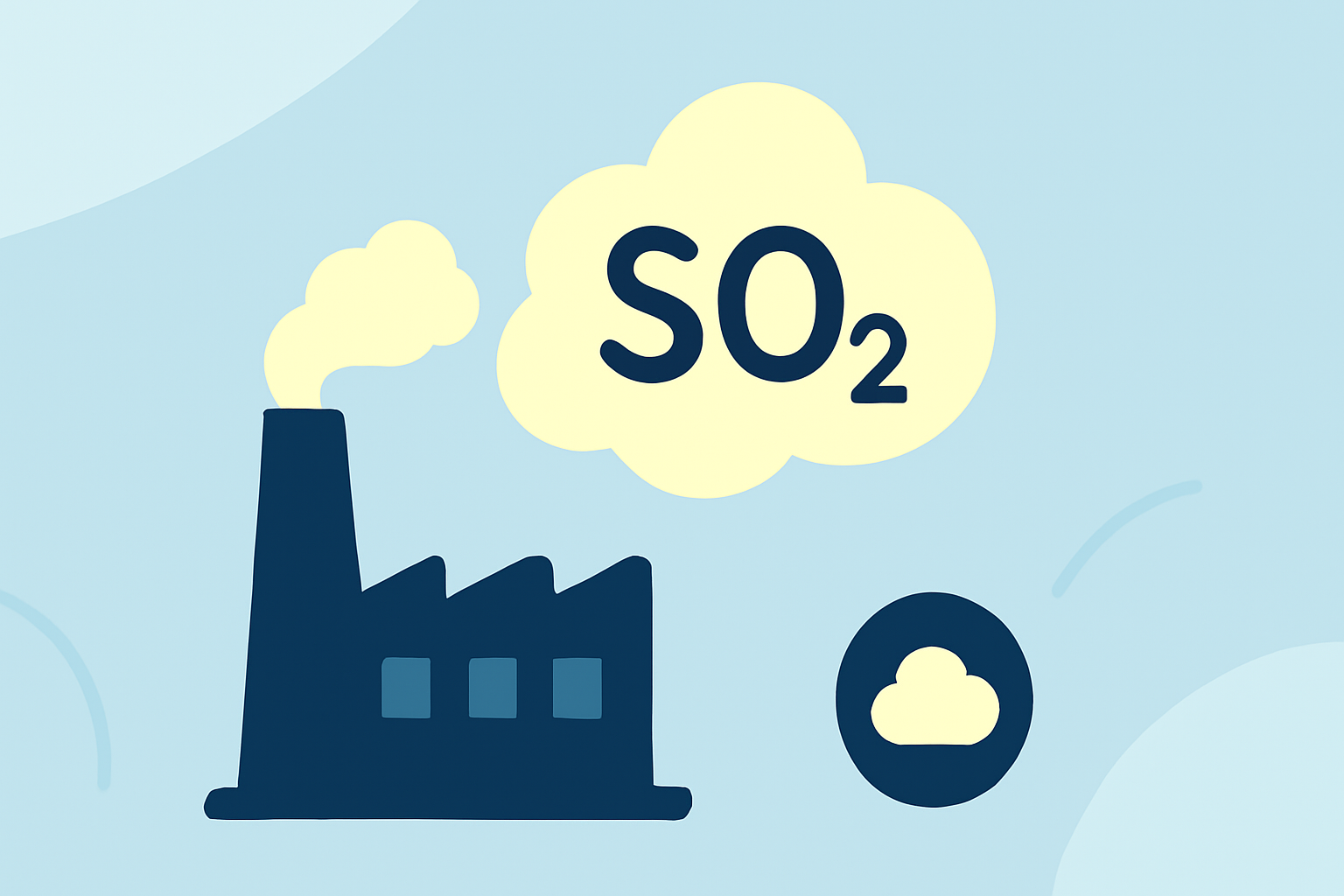
Sulfur dioxide (SO₂) is a colorless, reactive gas with a pungent odor, commonly produced by the combustion of sulfur-containing fuels like coal and oil. It's a significant air pollutant that can adversely affect human health and the environment.
What Are Sulfur Dioxide Levels?
Sulfur dioxide levels refer to the concentration of SO₂ in the atmosphere, typically measured in parts per million (ppm) or micrograms per cubic meter (µg/m³). These measurements are crucial for assessing air quality and potential health risks.
Health Impacts of Sulfur Dioxide Exposure
Short-term exposure to elevated SO₂ levels can lead to respiratory issues such as coughing, throat irritation, and shortness of breath. Individuals with asthma or other lung diseases are particularly susceptible. Long-term exposure may result in more severe health problems, including aggravated lung diseases and cardiovascular issues. (nps.gov)
Environmental Effects of Sulfur Dioxide
SO₂ contributes to the formation of acid rain, which can harm aquatic ecosystems, soil quality, and vegetation. It also plays a role in the formation of fine particulate matter (PM2.5), leading to reduced visibility and haze. (epa.gov)
Monitoring Sulfur Dioxide Levels
Monitoring SO₂ levels is essential for public health and environmental protection. The U.S. Environmental Protection Agency (EPA) has established National Ambient Air Quality Standards (NAAQS) for SO₂ to safeguard human health and the environment. These standards include a 1-hour average concentration not exceeding 75 parts per billion (ppb) and a 3-hour average not exceeding 0.5 ppm. (des.sc.gov)
Managing and Reducing Sulfur Dioxide Exposure
To minimize exposure to SO₂, it's advisable to stay informed about local air quality reports, especially during high pollution periods. Limiting outdoor activities during such times can reduce health risks. On a broader scale, transitioning to cleaner energy sources and implementing stricter emission controls in industrial processes can significantly decrease SO₂ emissions. (epa.gov)
Understanding and managing sulfur dioxide levels are vital for protecting public health and preserving environmental quality. By staying informed and supporting policies aimed at reducing SO₂ emissions, individuals can contribute to a healthier and more sustainable future.
Highlights:
- Sulfur Dioxide Basics | US EPA, Published on Thursday, January 01
- Sulfur Dioxide Effects on Health - Air (U.S. National Park Service), Published on Thursday, October 24
- Sulfur Dioxide | South Carolina Department of Environmental Services