
Understanding Temperature Forecasts: A Comprehensive Guide
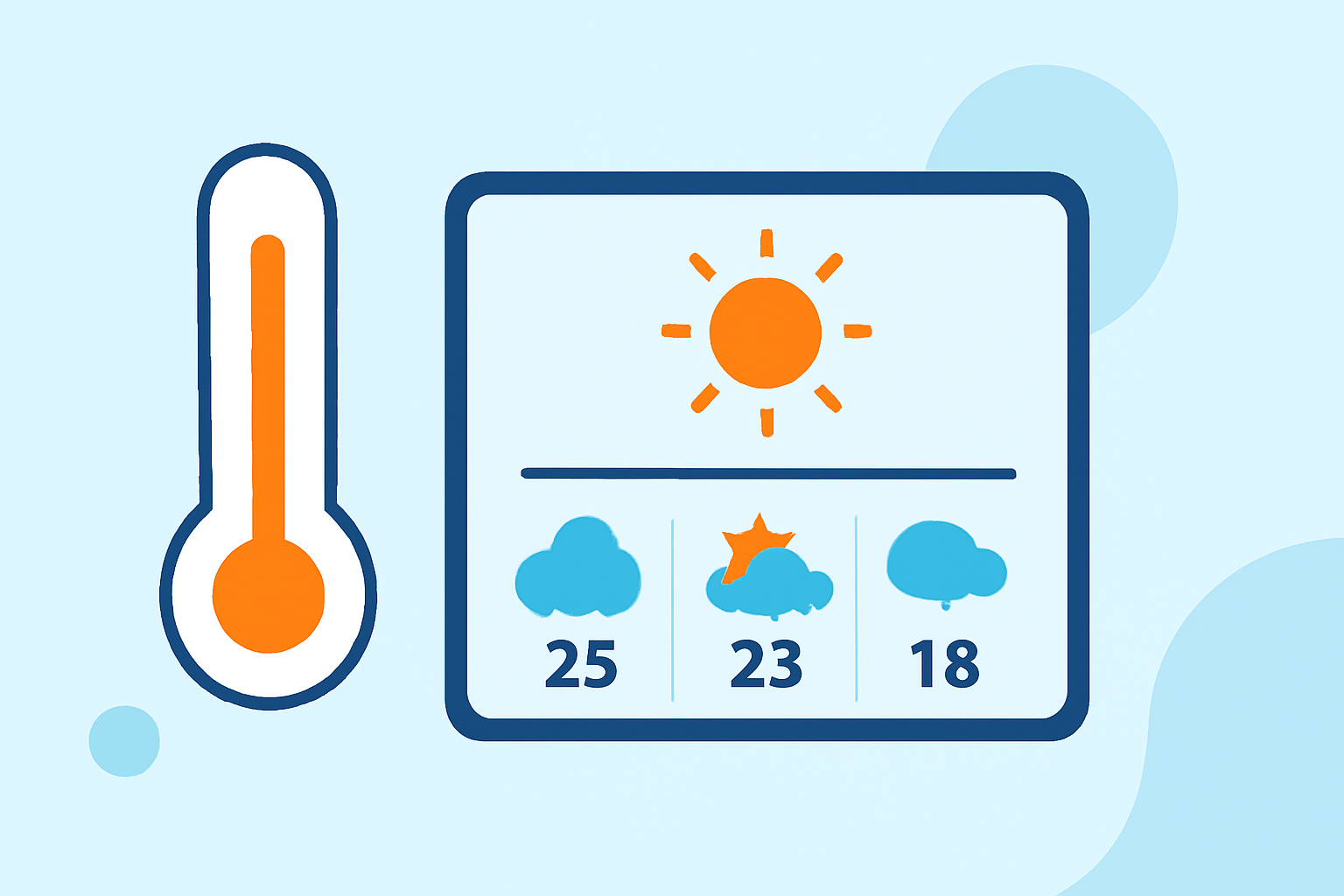
Temperature forecasts are essential tools that help us plan daily activities, travel, and events by predicting future temperature conditions. These forecasts are generated through a combination of observational data, numerical weather prediction models, and expert analysis.
What Are Temperature Forecasts?
Temperature forecasts provide predictions of future air temperatures for specific locations over a set period, typically ranging from a few hours to several days. They are crucial for making informed decisions about clothing, outdoor activities, and other temperature-sensitive plans.
How Are Temperature Forecasts Created?
Meteorologists create temperature forecasts by analyzing current weather data, such as atmospheric pressure, humidity, wind patterns, and cloud cover. This data is input into numerical weather prediction models that simulate atmospheric conditions. The models generate forecasts, which are then refined by meteorologists to account for local factors and recent weather patterns.
Understanding Forecast Terminology
Weather forecasts use specific terminology to describe expected conditions:
-
Sky Condition: Describes the amount of cloud cover.
-
Clear/Sunny: 1/8 or less cloud cover.
-
Mostly Clear/Sunny: 1/8 to 3/8 cloud cover.
-
Partly Cloudy/Sunny: 3/8 to 5/8 cloud cover.
-
Mostly Cloudy: 5/8 to 7/8 cloud cover.
-
Cloudy: 7/8 to 8/8 cloud cover.
-
Temperature: Indicates the expected high and low temperatures for the day.
These terms help convey the anticipated weather conditions in a standardized manner. (weather.gov)
Interpreting Temperature Forecasts
When reviewing a temperature forecast, consider the following:
- Time Frame: Short-term forecasts (1-3 days) are generally more accurate than long-term forecasts.
- Location: Temperature can vary significantly over short distances due to factors like elevation and proximity to bodies of water.
- Confidence Levels: Forecasts often include confidence levels or probabilities to indicate the certainty of the predicted temperatures.
For example, a forecast might state, "High of 75°F with a 70% chance of precipitation," indicating a moderate likelihood of rain.
Limitations of Temperature Forecasts
While temperature forecasts are valuable, they have limitations:
- Accuracy Decreases Over Time: The further out a forecast extends, the less accurate it becomes.
- Local Variations: Microclimates can cause temperatures to differ from forecasted values.
- Rapid Changes: Sudden weather changes can occur, making short-term forecasts less reliable.
Using Temperature Forecasts Effectively
To make the most of temperature forecasts:
- Check Multiple Sources: Consult various reputable sources to get a comprehensive view.
- Stay Updated: Weather conditions can change rapidly; check for the latest updates.
- Consider Local Factors: Be aware of local conditions that might affect temperature, such as urban heat islands or coastal influences.
Clime's Role in Temperature Forecasting
Clime leverages advanced meteorological models and real-time data to provide accurate and timely temperature forecasts. By integrating various data sources and continuously updating forecasts, Clime ensures users receive the most current and reliable information for their location.
Understanding temperature forecasts empowers individuals to make informed decisions about daily activities, travel plans, and event scheduling. By grasping how these forecasts are created and interpreted, you can better prepare for the weather conditions ahead.