
Understanding Temperature Forecasts During Pollen Season in the United States
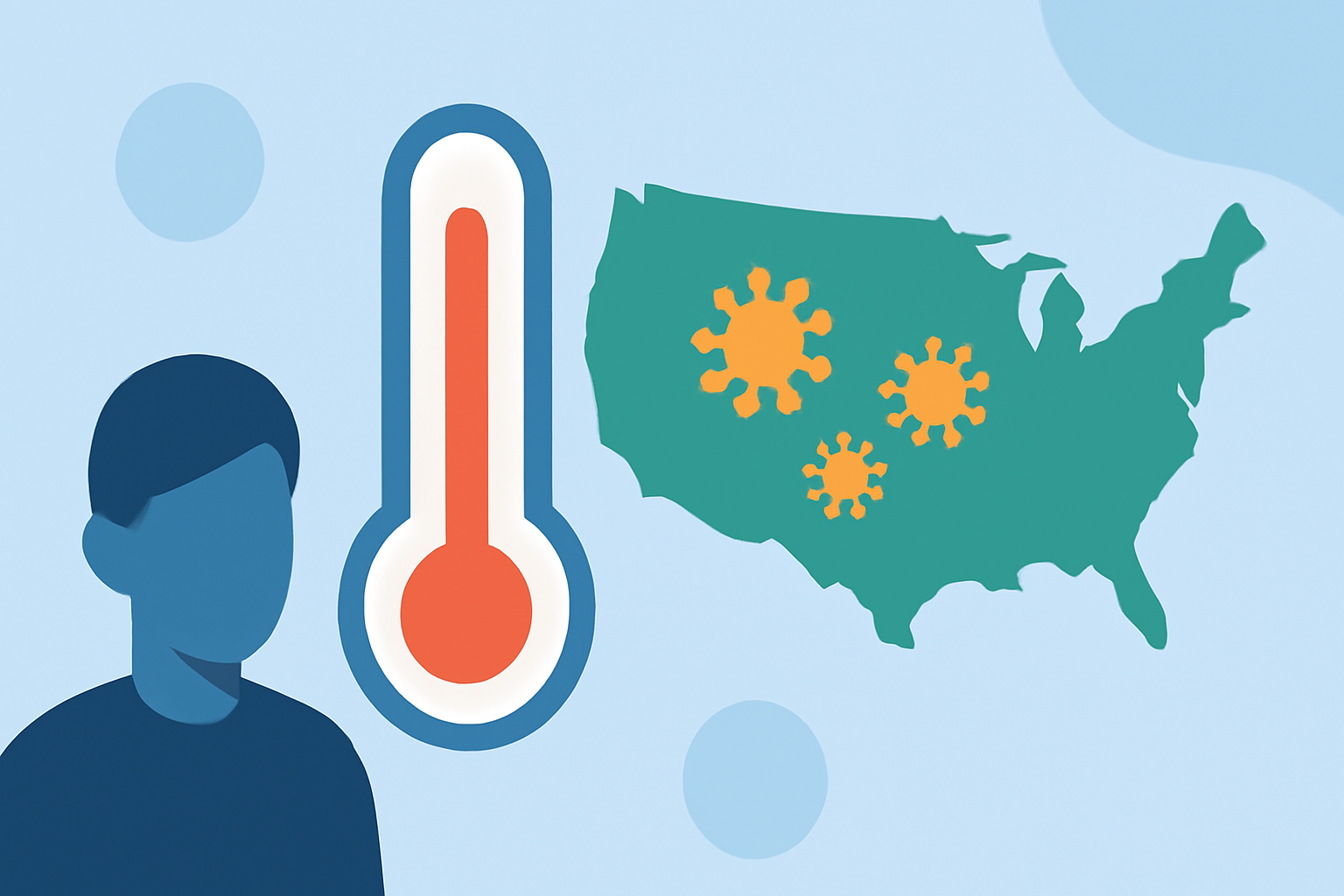
Pollen seasons in the United States are becoming longer and more intense, largely due to climate change. Warmer temperatures and extended freeze-free periods have led to earlier and prolonged pollen seasons. Between 1970 and 2024, nearly 90% of 198 U.S. cities experienced longer growing seasons, resulting in earlier and more intense allergy seasons. (axios.com)
How Do Temperature Forecasts Affect Pollen Seasons?
Temperature plays a crucial role in the timing and intensity of pollen seasons. Warmer temperatures can cause plants to release pollen earlier in the spring and keep producing it later into the fall. This shift leads to longer exposure periods for individuals sensitive to pollen. Additionally, higher temperatures can increase the amount of pollen produced, intensifying allergy symptoms. (climatecentral.org)
Regional Variations in Pollen Seasons
Pollen seasons vary across the United States, influenced by regional climate patterns. In the South and West, warmer temperatures have led to earlier pollen releases, while the Midwest and Northeast have experienced shifts in pollen season timing. For instance, in Pittsburgh, the spring allergy season has been starting earlier and lasting longer, with pollen counts expected to rise in the coming weeks. (axios.com)
The Role of Clime in Monitoring Pollen Seasons
Staying informed about pollen forecasts is essential for managing allergy symptoms. Clime offers advanced weather tracking tools that provide real-time pollen forecasts tailored to your location. By utilizing Clime's services, you can receive timely updates on pollen levels, helping you make informed decisions about outdoor activities and manage your health effectively.
Conclusion
Understanding temperature forecasts during pollen season is vital for those affected by seasonal allergies. With the increasing impact of climate change on pollen patterns, tools like Clime can be invaluable in providing accurate and timely information to help you navigate allergy seasons more comfortably.