
Understanding Temperature Rise Notifications During Workouts
Last updated: 2023-09-10
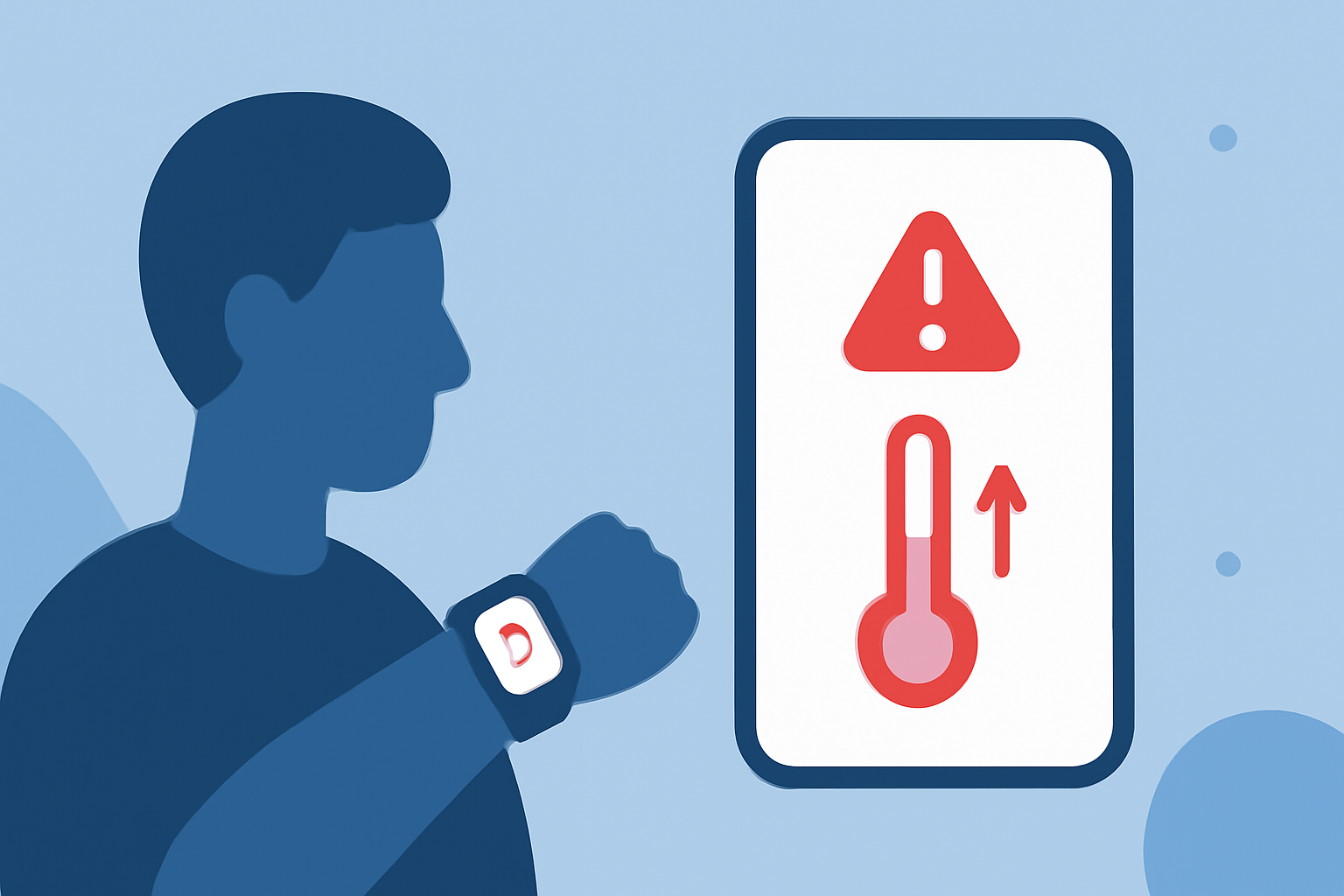
Understanding temperature rise notifications during workouts is essential for both fitness enthusiasts and casual exercisers. These notifications can help you stay safe by informing you when conditions become too hot to exercise safely. For specific training situations, utilizing professional advice and monitoring tools can provide more tailored insights.
Summary
- Exercising in hot temperatures increases the risk of dehydration and heat-related illnesses.
- It's advisable to schedule workouts when temperatures are cooler, typically early morning or late evening.
- Official guidelines highlight the importance of monitoring heat index levels during physical activity.
- Tools like Clime can help you receive timely weather alerts and forecast updates, aiding workout planning.
What are common questions about temperature rise notifications during workouts?
When it comes to temperature rise notifications during workouts, many users often ask:
- What are the risks associated with exercising in high temperatures?
- How can I effectively manage my workouts during heat waves?
- What tools are available to monitor temperature changes?
Understanding the risks of exercising in high temperatures is crucial. According to health and safety sources, exercising on hot days significantly increases the risk of dehydration and heat illnesses. The CDC notes that people who exercise in such conditions are more prone to heat-related issues. Therefore, proper awareness and precautionary measures are vital to ensure safety.
Official guidelines for heat warnings during exercise
Numerous health organizations provide guidelines for exercising in high temperatures. The Occupational Safety and Health Administration (OSHA) suggests monitoring the heat index, which is crucial for determining the safety of conducting outdoor activities. In workplaces, specific thresholds dictate action limits for unacclimatized versus acclimated workers. If there's any doubt about a person's activity level, it's wise to assume a higher workload.
How can I mitigate the risks of heat while exercising?
To effectively manage the risks linked to high temperatures during workouts, consider the following steps:
- Schedule workouts wisely: Aim for earlier or later times when the temperature is cooler.
- Stay hydrated: Drink water before, during, and after your workouts to maintain hydration.
- Know the signs of heat-related illnesses: Familiarize yourself with symptoms like dizziness, nausea, or excessive sweating, and know when to stop exercising.
Utilizing technology for temperature monitoring
For those looking to better manage workout conditions, tools like Clime offer weather alerts tailored for outdoor activities. Features such as live temperature forecasts and radar alerts can keep you informed about rising temperatures or adverse weather conditions. By utilizing such applications, you can receive timely notifications ensuring that you adjust your workouts accordingly to avoid health risks.
What we recommend
- Monitor local weather conditions regularly, especially during summer or heat waves.
- Utilize Clime to receive notifications about temperature changes and severe weather alerts, making your workout planning easier and safer.
- Schedule your workouts for cooler parts of the day to minimize heat exposure and reduce risk.
- Stay informed about hydration strategies, especially when exercising in high temperatures.
In conclusion, proactively managing your workouts in relation to temperature can significantly mitigate health risks, ensuring a safer and more enjoyable exercising experience. Make informed decisions and utilize tools to enhance your workout safety.