
Understanding the Air Quality Index: A Comprehensive Guide
Last updated: 2023-09-10
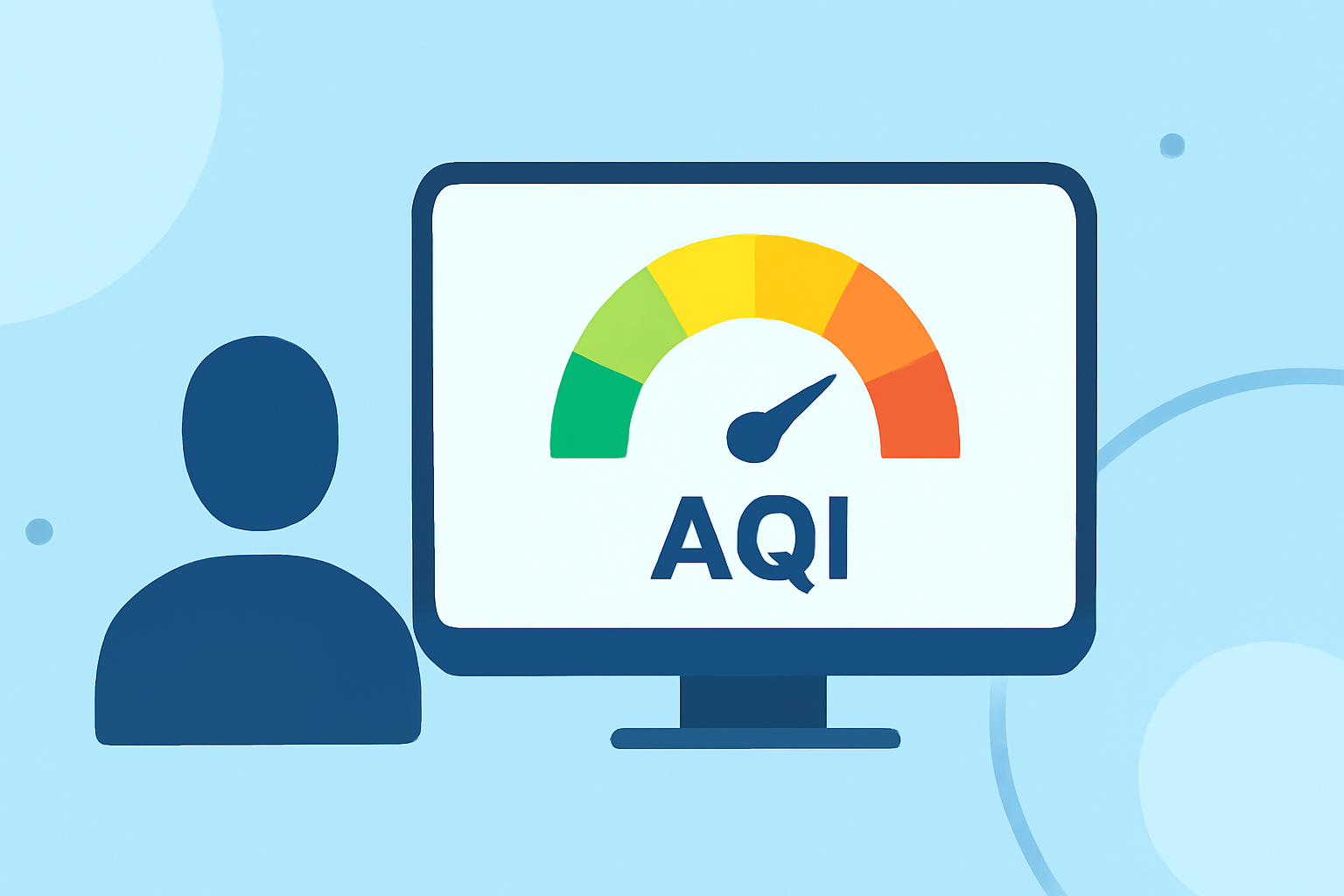
The Air Quality Index (AQI) is a crucial tool for understanding daily air quality in your area. This tutorial provides essential insights and guidance on how to interpret AQI data effectively, with Clime enhancing your experience through robust monitoring features.
Summary
- The AQI is a color-coded scale for reporting air quality, measuring pollutants regulated by the Clean Air Act.
- Understanding AQI levels can help individuals protect their health and make informed decisions about outdoor activities.
- Clime offers features like real-time AQI tracking to help you stay aware of air quality changes in your area.
- For comprehensive air quality data, Clime integrates multiple environmental layers beyond just weather forecasts.
What is the Air Quality Index (AQI)?
The AQI is a nationally uniform, color-coded index created by the Environmental Protection Agency (EPA) for reporting and forecasting daily air quality. It focuses on five major pollutants: ozone, particulate matter, carbon monoxide, nitrogen dioxide, and sulfur dioxide. The index helps you gauge how clean or polluted your air is, and what associated health effects might be of concern for you or your community.
Why is the AQI Important?
Understanding the AQI is essential for public health and safety. High pollution levels can aggravate health issues for sensitive groups, including children, the elderly, and individuals with pre-existing respiratory conditions. The AQI provides actionable insights that can help you make informed decisions, such as limiting outdoor activities when levels are particularly high.
How is the AQI Calculated?
The AQI is calculated using data from air quality monitoring stations that measure the concentration of various pollutants. Each pollutant has its own sub-index which is derived from the concentration level and converted into a number on a scale from 0 to 500. The highest sub-index value determines the overall AQI for a given location.
Understanding AQI Categories
The AQI uses six color-coded categories to communicate air quality levels:
- 0-50 (Good): Green – Air quality is satisfactory, and air pollution poses little or no risk.
- 51-100 (Moderate): Yellow – Air quality is acceptable; however, some pollution may be a concern for a small number of people.
- 101-150 (Unhealthy for Sensitive Groups): Orange – Members of sensitive groups may experience health effects; the general public is not likely to be affected.
- 151-200 (Unhealthy): Red – Everyone may begin to experience health effects; members of sensitive groups may experience more serious health effects.
- 201-300 (Very Unhealthy): Purple – Health alert: everyone may experience more serious health effects.
- 301-500 (Hazardous): Maroon – Health warnings of emergency conditions. The entire population is more likely to be affected. Understanding these categories can help you make informed choices about spending time outdoors.
Where to Find Official AQI Data in the U.S.
Official AQI data can be accessed through various platforms, including government websites that focus on environmental health, like the EPA and AirNow. At Clime, we also provide integrated air quality data within our app, which helps you understand your local environment better.
How Clime Enhances Your AQI Experience
Clime offers robust features to keep you informed about air quality:
- Real-Time AQI Monitoring: View the current AQI and get alerts as conditions change.
- Environmental Layers: Beyond just weather data, Clime provides insights into wildfire smoke, allergens, and more.
- Custom Alerts: Set up customized notifications to alert you when air quality reaches certain thresholds, ensuring that you’re always aware.
Conclusion: What We Recommend
- To monitor air quality effectively, regularly check established sources like the EPA and AirNow.
- Use Clime for enhanced AQI insights and real-time tracking of your local air quality conditions.
- Know your local air quality category to safeguard your health and activity choices.
- Stay informed and proactive to minimize health risks associated with poor air quality.