
Understanding the Air Quality Index: A Comprehensive Guide
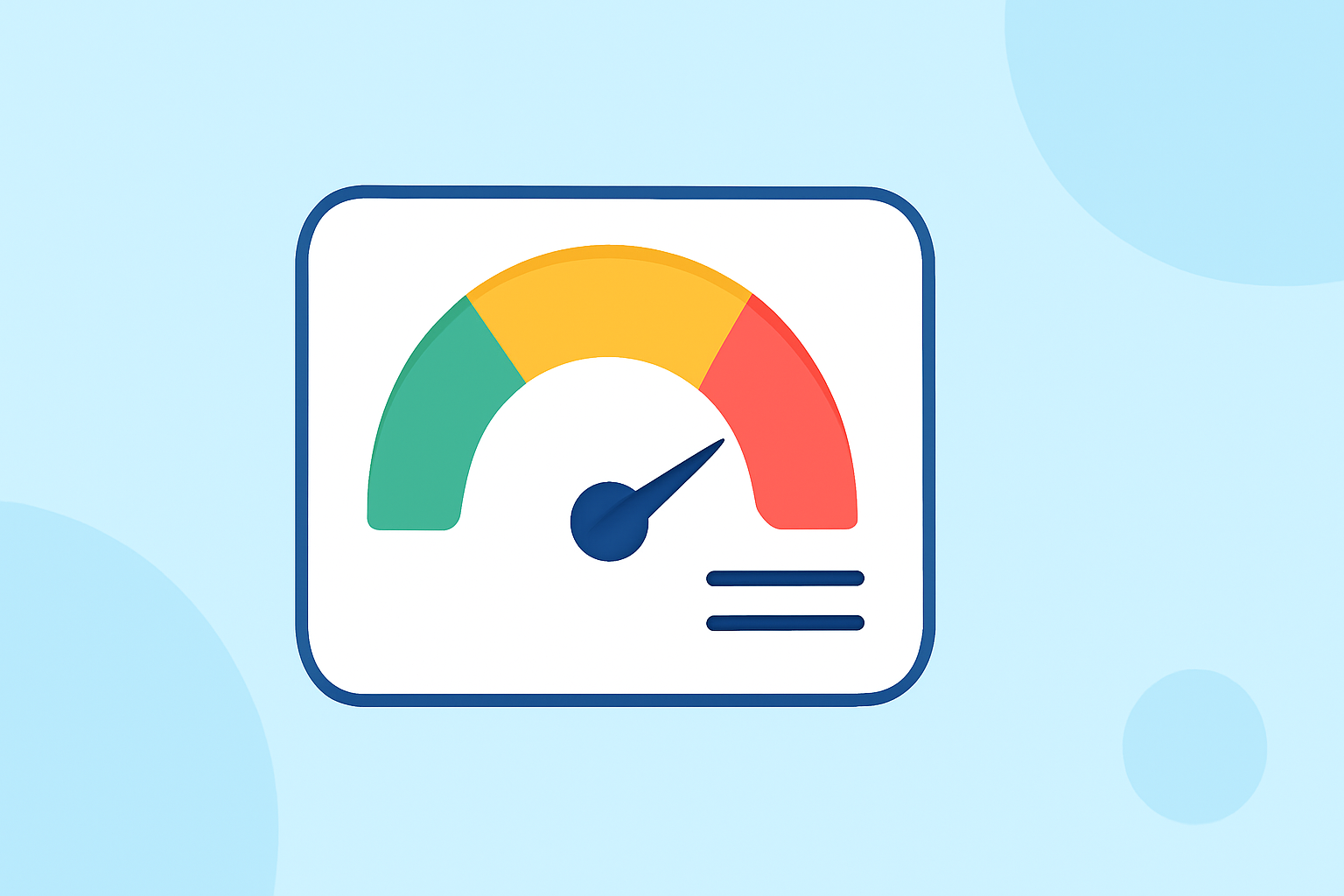
The Air Quality Index (AQI) is a standardized system used to communicate the quality of air in a specific area, indicating potential health risks associated with air pollution levels. Developed by the U.S. Environmental Protection Agency (EPA), the AQI provides a clear and concise way for the public to understand air quality and make informed decisions about outdoor activities.
What Does the AQI Measure?
The AQI measures the concentration of five major air pollutants regulated by the Clean Air Act:
- Ground-level ozone (O₃): A reactive gas that forms when sunlight reacts with pollutants from vehicles and industrial emissions.
- Particulate matter (PM₂.₅ and PM₁₀): Tiny particles or droplets in the air that can penetrate deep into the lungs and even enter the bloodstream.
- Carbon monoxide (CO): A colorless, odorless gas produced by the incomplete combustion of fossil fuels.
- Sulfur dioxide (SO₂): A gas produced by burning fossil fuels and by certain industrial processes.
- Nitrogen dioxide (NO₂): A gas produced by burning fuel, especially in vehicles and power plants.
How Is the AQI Calculated?
Each of the five pollutants has its own sub-index, calculated based on its concentration in the air. The highest sub-index value determines the overall AQI for that location. The AQI scale ranges from 0 to 500, with higher values indicating worse air quality and greater health risks. The EPA provides a calculator to convert pollutant concentrations to AQI values. (en.wikipedia.org)
Understanding AQI Categories
The AQI is divided into six categories, each associated with a specific color and health advisory:
- 0–50 (Good): Air quality is satisfactory, and air pollution poses little or no risk.
- 51–100 (Moderate): Air quality is acceptable; however, there may be a moderate health concern for a very small number of people who are unusually sensitive to air pollution.
- 101–150 (Unhealthy for Sensitive Groups): Members of sensitive groups may experience health effects; the general public is less likely to be affected.
- 151–200 (Unhealthy): Everyone may begin to experience health effects; members of sensitive groups may experience more serious health effects.
- 201–300 (Very Unhealthy): Health alert: everyone may experience more serious health effects.
- 301–500 (Hazardous): Health warning of emergency conditions; the entire population is more likely to be affected.
How to Use the AQI
Monitoring the AQI can help you plan outdoor activities and protect your health. Here are some steps to effectively use the AQI:
- Check the AQI Regularly: Use reliable sources like the EPA's AirNow website to find current AQI readings for your area. (airnow.gov)
- Interpret the AQI Value: Refer to the AQI categories to understand the potential health implications of the current air quality.
- Plan Activities Accordingly: On days with higher AQI values, consider limiting outdoor activities, especially if you belong to sensitive groups such as children, the elderly, or individuals with respiratory conditions.
- Stay Informed About Forecasts: Some areas provide AQI forecasts, which can help you plan ahead for upcoming days. (airnow.gov)
Accessing AQI Data
The EPA's AirData website offers access to air quality data collected from outdoor monitors across the United States. Users can download data, generate reports, and visualize air quality trends. (epa.gov)
Conclusion
Understanding the AQI is essential for making informed decisions about outdoor activities and protecting your health from the adverse effects of air pollution. By regularly monitoring AQI values and following recommended guidelines, you can ensure that you and your community stay safe and healthy.
Highlights:
- AirData - Concentration Map | US EPA, Published on Tuesday, March 24
- Obtaining AQS Data | US EPA, Published on Sunday, December 21
- Air Quality Index Publications | AirNow.gov