
Understanding the Air Quality Index: A Quick Guide
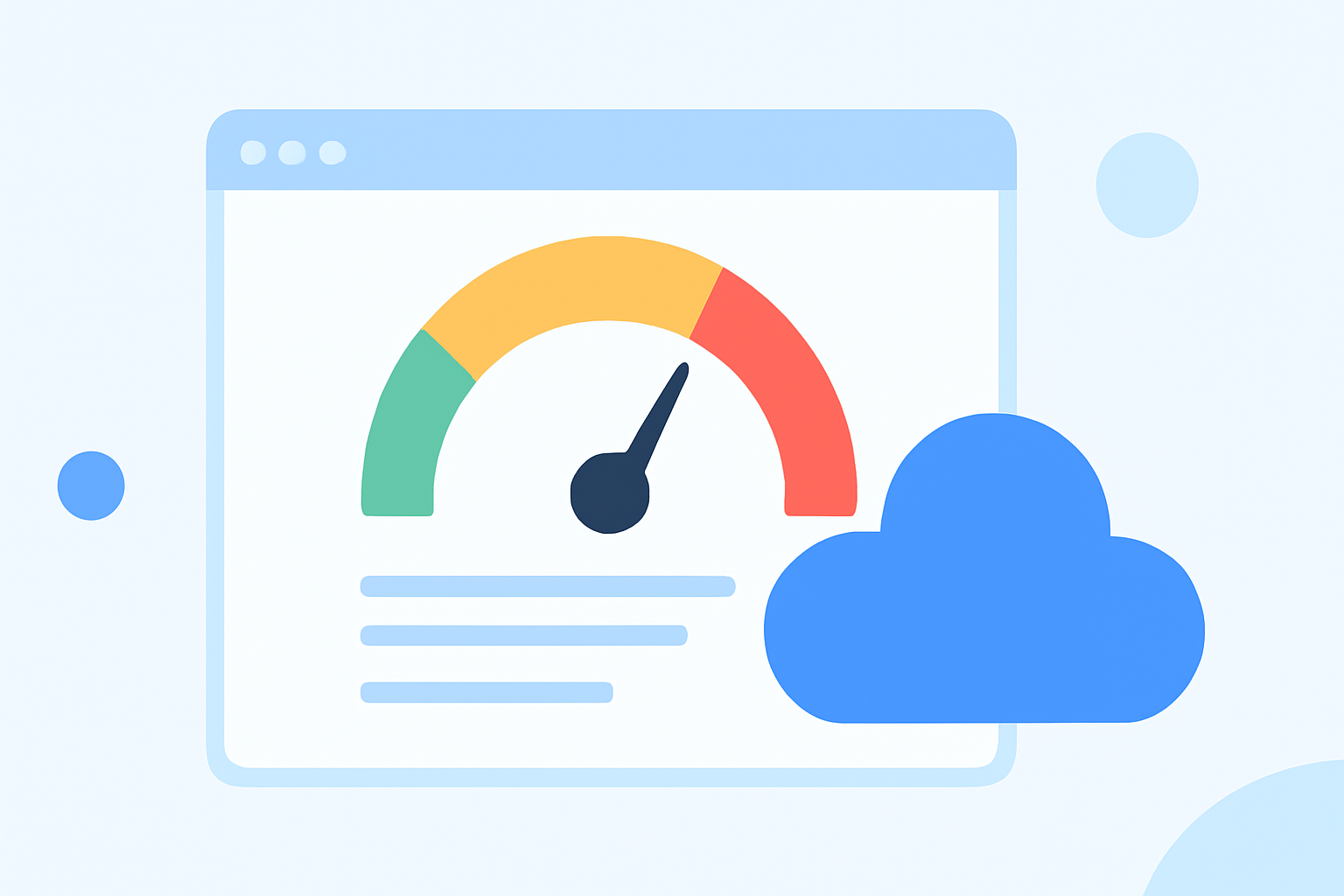
The Air Quality Index (AQI) is a standardized system used to communicate daily air quality levels and their potential health impacts. Developed by the U.S. Environmental Protection Agency (EPA), the AQI focuses on health effects that may be experienced within a few hours or days after breathing polluted air. (epa.gov)
What Does the AQI Measure?
The AQI reports on five major air pollutants regulated by the Clean Air Act:
-
Ground-level ozone: A key component of smog, formed when pollutants emitted by vehicles and industrial facilities react with sunlight.
-
Particle pollution (PM10 and PM2.5): Tiny particles or droplets in the air that can penetrate deep into the lungs and even enter the bloodstream.
-
Carbon monoxide (CO): A colorless, odorless gas produced by burning fossil fuels.
-
Sulfur dioxide (SO₂): A gas produced by burning fossil fuels and by certain industrial processes.
-
Nitrogen dioxide (NO₂): A gas produced by burning fuel, especially in vehicles and power plants.
How Is the AQI Calculated?
Each pollutant has its own sub-index, calculated by comparing the current concentration to the national standard for that pollutant. The highest sub-index value determines the overall AQI for the day. The AQI scale ranges from 0 to 500, with higher values indicating greater levels of pollution and health concern. (epa.gov)
Understanding AQI Categories
The AQI is divided into six color-coded categories, each representing a different level of health concern:
-
0 to 50 (Good): Air quality is satisfactory, posing little or no risk.
-
51 to 100 (Moderate): Air quality is acceptable; however, there may be some health concern for a small number of unusually sensitive individuals.
-
101 to 150 (Unhealthy for Sensitive Groups): Sensitive individuals may experience health effects; the general public is less likely to be affected.
-
151 to 200 (Unhealthy): Everyone may begin to experience health effects; sensitive groups may experience more serious effects.
-
201 to 300 (Very Unhealthy): Health alert; everyone may experience more serious health effects.
-
301 to 500 (Hazardous): Health warning of emergency conditions; the entire population is more likely to be affected.
How to Use the AQI
To protect your health, it's important to monitor the AQI regularly, especially if you belong to sensitive groups such as children, older adults, or individuals with respiratory or heart conditions. The AQI is available through various sources, including local weather forecasts, government websites, and mobile applications. (airnow.gov)
Protective Measures Based on AQI Levels
-
Good (0-50): Enjoy outdoor activities as usual.
-
Moderate (51-100): Sensitive individuals should consider limiting prolonged outdoor exertion.
-
Unhealthy for Sensitive Groups (101-150): Sensitive individuals should reduce prolonged or heavy exertion; others can continue usual activities.
-
Unhealthy (151-200): Everyone should reduce prolonged or heavy exertion; sensitive individuals should avoid such activities.
-
Very Unhealthy (201-300): Everyone should avoid prolonged or heavy exertion; sensitive individuals should avoid all physical activity outdoors.
-
Hazardous (301-500): Everyone should avoid all physical activity outdoors; sensitive individuals should remain indoors and keep activity levels low.
Conclusion
Understanding the AQI is essential for making informed decisions about outdoor activities and protecting your health. By staying informed and taking appropriate precautions, you can minimize the risks associated with air pollution.
Highlights:
- About Air Quality | Air Quality | CDC, Published on Sunday, May 03
- Patient Exposure and the Air Quality Index | US EPA, Published on Monday, March 09
- How to use the HeatRisk Tool and Air Quality Index | Heat Health | CDC, Published on Wednesday, September 17