
Understanding the Air Quality Index (AQI): A Comprehensive Guide
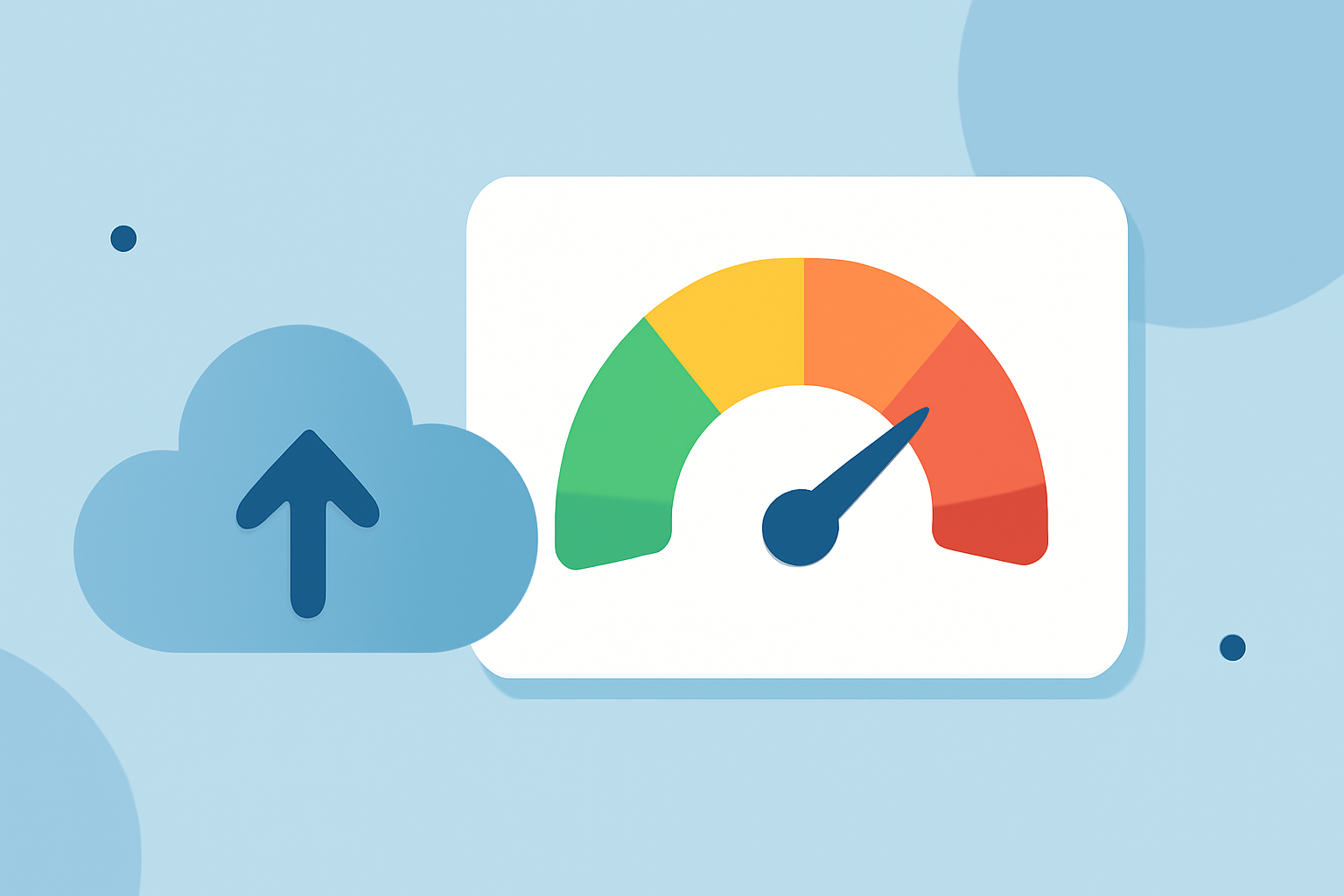
The Air Quality Index (AQI) is a standardized system used to communicate the quality of air in a specific area and its potential health impacts. Developed by the U.S. Environmental Protection Agency (EPA), the AQI provides a clear and concise way for the public to understand daily air quality conditions.
What Does the AQI Measure?
The AQI focuses on five major air pollutants regulated by the Clean Air Act:
- Ground-level ozone (O₃): A reactive gas that forms when sunlight reacts with pollutants from vehicles and industrial emissions.
- Particulate matter (PM₂.₅ and PM₁₀): Tiny particles or droplets in the air that can penetrate deep into the lungs and bloodstream.
- Carbon monoxide (CO): A colorless, odorless gas produced by burning fossil fuels.
- Sulfur dioxide (SO₂): A gas produced by burning fossil fuels and industrial processes.
- Nitrogen dioxide (NO₂): A gas produced by burning fuel, especially in vehicles and power plants.
How Is the AQI Calculated?
The AQI is calculated by measuring the concentration of each pollutant in the air and converting these measurements into a standardized scale ranging from 0 to 500. The higher the AQI value, the greater the level of pollution and the higher the potential health risk. Each pollutant has its own sub-index, and the highest sub-index determines the overall AQI value for that location. (airnow.gov)
Understanding AQI Categories
The AQI is divided into six categories, each representing a different level of health concern:
- 0–50 (Good): Air quality is satisfactory, posing little or no risk.
- 51–100 (Moderate): Air quality is acceptable; however, there may be a risk for some people, particularly those unusually sensitive to air pollution.
- 101–150 (Unhealthy for Sensitive Groups): Members of sensitive groups may experience health effects; the general public is less likely to be affected.
- 151–200 (Unhealthy): Everyone may begin to experience health effects; members of sensitive groups may experience more serious health effects.
- 201–300 (Very Unhealthy): Health alert: everyone may experience more serious health effects.
- 301 and higher (Hazardous): Health warning of emergency conditions: everyone is more likely to be affected. (airnow.gov)
How to Use the AQI
Monitoring the AQI can help you make informed decisions about outdoor activities. For instance, if the AQI is in the "Unhealthy for Sensitive Groups" category, individuals with respiratory conditions should limit prolonged outdoor exertion. Conversely, when the AQI is in the "Good" category, outdoor activities can be enjoyed without concern. (airnow.gov)
Protecting Yourself from Poor Air Quality
During days when the AQI indicates unhealthy air quality, consider the following precautions:
- Limit outdoor activities: Reduce the time spent outdoors, especially during peak pollution hours.
- Stay indoors: Keep windows and doors closed to prevent outdoor air from entering.
- Use air purifiers: Utilize air purifiers with HEPA filters to reduce indoor pollution levels.
- Monitor local air quality reports: Stay informed about local air quality conditions through reliable sources. (airnow.gov)
Conclusion
Understanding the AQI is essential for protecting your health and making informed decisions about outdoor activities. By staying informed and taking appropriate precautions, you can minimize the health risks associated with poor air quality.
Highlights:
- Air quality index (AQI) | Description, EPA, Pollution, Smog, Health, & Facts | Britannica, Published on Monday, March 09
- Patient Exposure and the Air Quality Index | US EPA, Published on Wednesday, May 20
- How to Use the Air Quality Index | Scientific American, Published on Tuesday, June 06