
Understanding the Air Quality Index (AQI) Categories
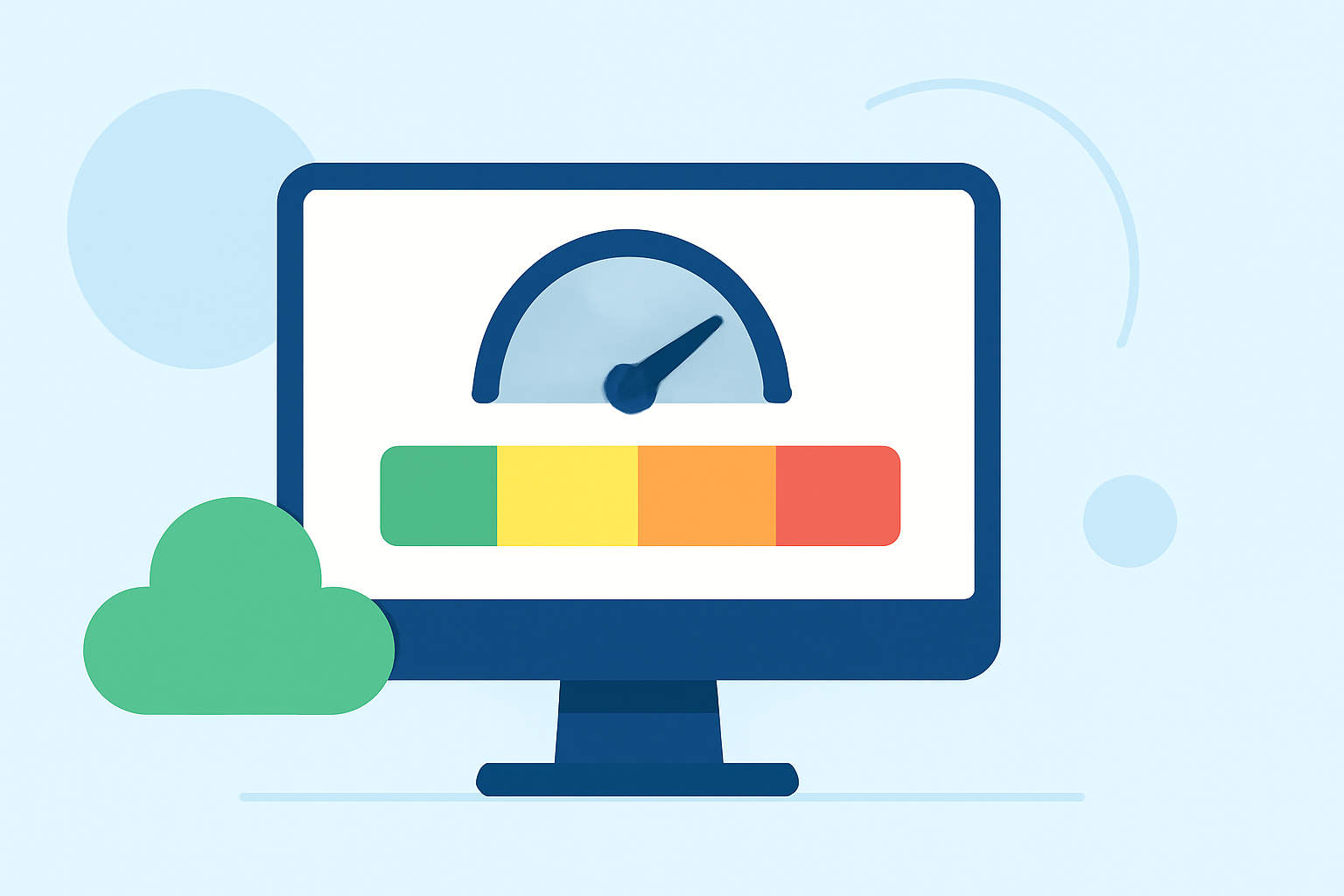
The Air Quality Index (AQI) is a standardized system used to communicate daily air quality levels to the public. It focuses on the concentration of five major pollutants regulated by the Clean Air Act: ground-level ozone, particulate matter (PM₂.₅ and PM₁₀), carbon monoxide, sulfur dioxide, and nitrogen dioxide. The AQI scale ranges from 0 to 500, with higher values indicating higher pollution levels and greater health concerns. (epa.gov)
What Are the AQI Categories?
The AQI is divided into six categories, each representing a different level of health concern:
- Good (0–50): Air quality is satisfactory, and air pollution poses little or no risk.
- Moderate (51–100): Air quality is acceptable; however, there may be some health concern for a small number of unusually sensitive individuals.
- Unhealthy for Sensitive Groups (101–150): Sensitive individuals, such as those with lung disease, older adults, and children, may experience health effects.
- Unhealthy (151–200): Everyone may begin to experience health effects; sensitive groups may experience more serious effects.
- Very Unhealthy (201–300): Health alert: everyone may experience more serious health effects.
- Hazardous (301–500): Health warnings of emergency conditions; the entire population is more likely to be affected.
These categories help individuals understand the potential health risks associated with current air quality levels. (epa.gov)
How Is the AQI Calculated?
The AQI is calculated by converting the concentration of each pollutant into an index value. The highest index value among all pollutants determines the overall AQI for that day. For example, if the AQI for ozone is 75 and for particulate matter is 120, the overall AQI would be 120, placing it in the "Unhealthy for Sensitive Groups" category. (epa.gov)
Why Is Monitoring the AQI Important?
Regularly monitoring the AQI is crucial for protecting health, especially for sensitive groups. By staying informed, individuals can take appropriate actions, such as limiting outdoor activities or using air purifiers, to reduce exposure to harmful pollutants. (epa.gov)
How Can Clime Help?
Clime offers real-time AQI monitoring and personalized health recommendations, empowering users to make informed decisions about their daily activities based on current air quality conditions.
Highlights:
- Patient Exposure and the Air Quality Index | US EPA, Published on Wednesday, May 20
- Patient Exposure and the Air Quality Index | US EPA, Published on Monday, March 09
- Communicating Air Quality Conditions: The Air Quality Index | US EPA, Published on Monday, September 29