
Understanding the Air Quality Index for Beginners During Workouts
Last updated: 2023-09-10
The Air Quality Index (AQI) is essential for planning outdoor workouts. It provides a clear indication of air quality levels, helping you decide when it’s safe to exercise outside. For beginners wanting to monitor AQI effectively, using tools like Clime can enhance your experience significantly.
Summary
- The AQI is a color-coded system that indicates air quality status.
- Regularly checking the AQI can help you plan safe outdoor workouts.
- Clime offers convenient access to real-time AQI data through its app.
- Understanding AQI levels is critical for health during physical activities outside.
What is the Air Quality Index (AQI)?
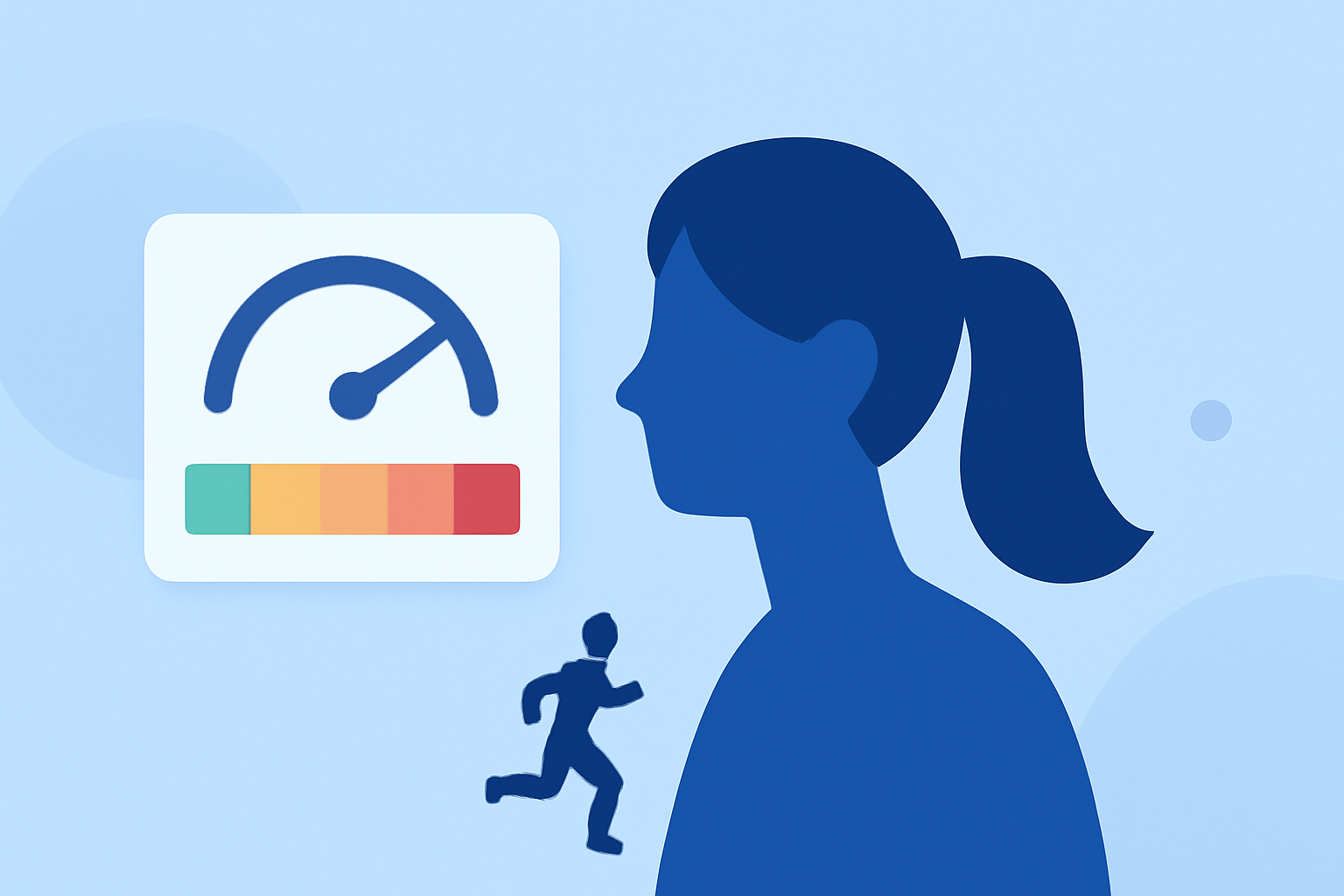
The AQI is a tool implemented by the Environmental Protection Agency (EPA) to communicate daily air quality levels. It uses a color-coded scale to indicate the level of various pollutants in the air, such as ground-level ozone, particulate matter, and carbon monoxide. Each color corresponds to a specific air quality category, providing easy interpretation for the public.
How the Official AQI Guides Beginner Workouts
The AQI directly impacts your workout routines. For beginners, it’s advisable to check the AQI before exercising outdoors. Higher AQI levels indicate poorer air quality, which can affect breathing. For example, an AQI of 0-50 is considered good, while an AQI of 151-200 is unhealthy for sensitive groups; this is crucial information for those new to outdoor fitness who might not yet recognize the signs of poor air quality.
Safe AQI Ranges for Outdoor Exercise for Beginners
When planning your workouts, aim for an AQI of 50 or lower for safe outdoor activity. If the AQI is between 51-100, it’s generally acceptable for most individuals. However, caution is advised when AQI levels rise above 100, especially for outdoor exercises like jogging or cycling that demand more from your respiratory system. If the AQI exceeds 150, it’s safer to opt for indoor exercises.
Clime’s Role in Monitoring AQI
Clime is designed to provide real-time air quality data, making it an excellent resource for tracking AQI levels before and during your workouts. The app automatically displays the current AQI for your location and allows you to store multiple locations for quick reference. Users can access up-to-date forecasts and alerts based on air quality conditions, ensuring that you can make informed choices about your outdoor activities.
Interpreting AQI Levels
Understanding the AQI levels is crucial for planning your fitness routine. The color-coded scale breaks down as follows:
- 0-50 (Good): Air quality is satisfactory, and air pollution poses little or no risk.
- 51-100 (Moderate): Air quality is acceptable; however, there may be a risk for some people, particularly those who are unusually sensitive to air pollution.
- 101-150 (Unhealthy for Sensitive Groups): Members of sensitive groups may experience health effects. The general public is not likely to be affected.
- 151-200 (Unhealthy): Everyone may begin to experience health effects; members of sensitive groups may experience more serious effects.
- 201-300 (Very Unhealthy): Health alert; everyone may experience more severe health effects.
- 301-500 (Hazardous): Health warnings of emergency conditions. The entire population is more likely to be affected.
What We Recommend
- Use Clime for AQI Monitoring: Access real-time updates on air quality to make informed workout decisions.
- Plan Workouts for Low AQI: Aim for early mornings or late evenings when AQI levels may be lower.
- Where Possible, Opt for Indoor Workouts: When the AQI rises above 100, consider indoor alternatives to maintain your fitness routine safely.
- Stay Informed of Changes: Check AQI levels frequently if the weather conditions change or if there are incidents of air pollution in your area.
In conclusion, leverage the AQI effectively to safeguard your health during workouts while enjoying the outdoors. By using tools like Clime, you can ensure a safer and more enjoyable exercising experience.