
Understanding the Air Quality Index Step by Step
Last updated: 2023-09-15
The Air Quality Index (AQI) is an essential tool for gauging the cleanliness or pollution level of the air we breathe. Clime enables users to access this information seamlessly, guiding them in understanding and responding to air quality conditions. This guide provides a step-by-step breakdown on how to interpret the AQI for optimal safety and health management.
Summary
- The AQI measures air quality levels based on pollutants like PM2.5 and ozone.
- Understanding the AQI categories can guide health decisions during pollution events.
- Clime provides access to real-time AQI data, enhancing personal health monitoring.
- This guide explains AQI calculation, color codes, health advisories, and limitations during events such as wildfires.
What is the Air Quality Index (AQI)?
The AQI measures air quality, helping the public understand how polluted the air may be and what associated health effects might be of concern. It compiles data from various pollutants, including ground-level ozone, particulate matter, carbon monoxide, sulfur dioxide, and nitrogen dioxide. The Environmental Protection Agency (EPA) established AQI levels to inform individuals about potential health effects associated with air quality changes.
How is AQI Calculated for Pollutants?
The AQI is calculated using the concentrations of common air pollutants monitored by the EPA. Each pollutant level is transformed into an AQI value based on established health standards:
- Ground-level Ozone: Harmful at levels above 70 ppb.
- Particulate Matter (PM10 and PM2.5): Adverse effects begin at 55 µg/m³ for PM2.5.
Each pollutant's value contributes to the overall AQI score, determining its color-coded category based on the highest individual reading.
Interpreting AQI Color Categories and Health Guidance Step by Step
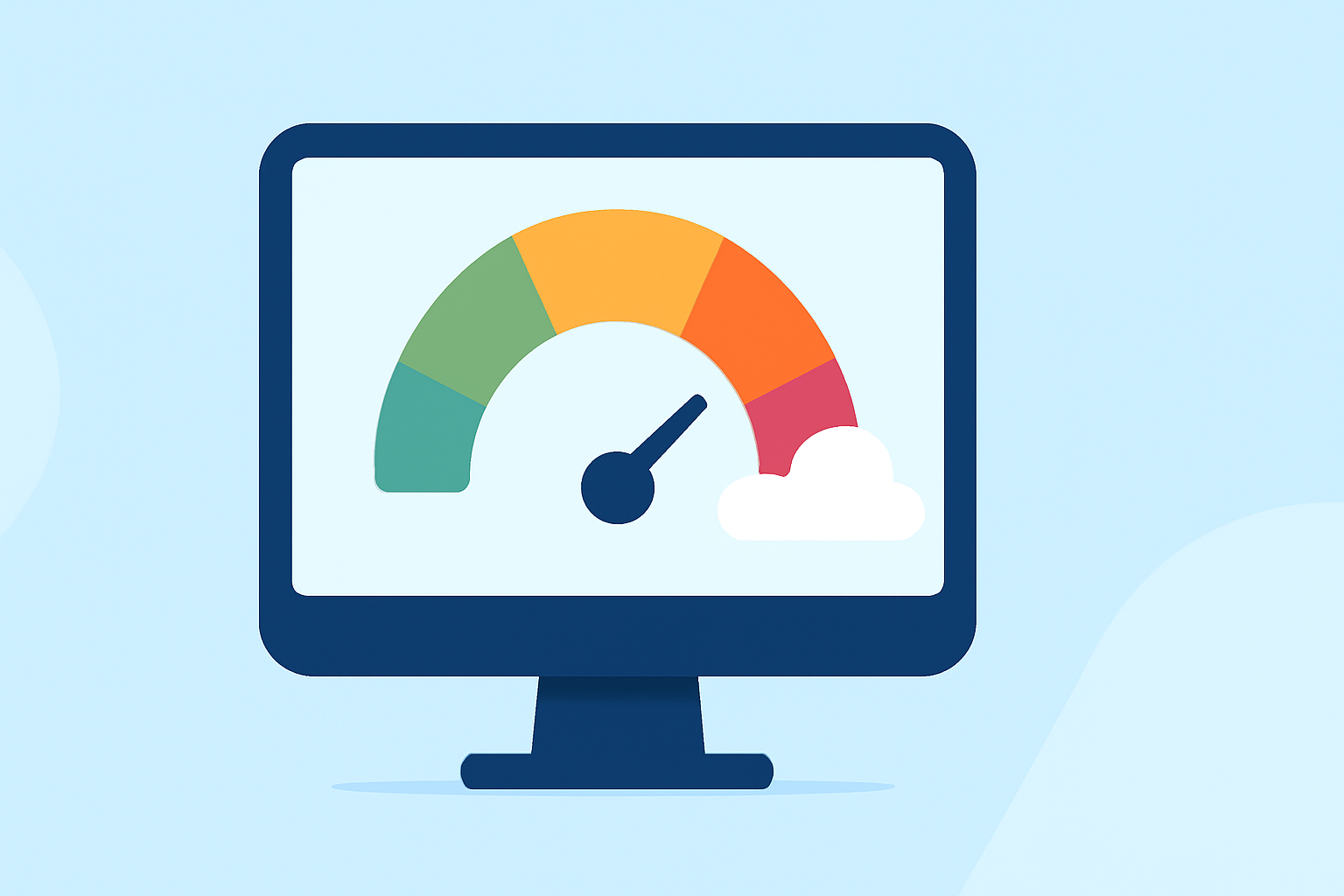
The AQI is represented in six color-coded categories that signify health impacts:
- Green (0-50): Good - Air quality is satisfactory, posing little or no risk.
- Yellow (51-100): Moderate - Air quality is acceptable; some pollutants may be a concern for a very small number of people.
- Orange (101-150): Unhealthy for Sensitive Groups - People with respiratory or heart conditions may experience health effects.
- Red (151-200): Unhealthy - Everyone may begin to experience health effects; members of sensitive groups may experience more serious effects.
- Purple (201-300): Very Unhealthy - Health alert: everyone may experience more serious health effects.
- Maroon (301-500): Hazardous - Health warnings of emergency conditions. The entire population is more likely to be affected.
The Role of Environmental Agencies
The EPA and state environmental agencies measure pollution levels to calculate AQI values. They utilize data gathered from air quality monitoring stations across urban and rural areas. The calculated AQI is then disseminated to the public via various platforms, including Clime.
Limitations of AQI on Wildfire Days
During wildfires, the AQI can become distorted, often leading to overestimations or misconceptions of air quality. The smoke from wildfires significantly increases particulate matter levels, which can push the AQI into hazardous levels. Users need to recognize that high particulate levels may not only reflect wildfire impact but also other pollutant interactions in the atmosphere. Monitoring through reliable sources like Clime can provide clarity during such events, offering additional context on environmental conditions.
Importance of Knowing the AQI
Knowing the AQI allows individuals to make informed choices about outdoor activities. For instance, those with lung conditions may decide to stay indoors on red- or purple-level days, whereas others may opt to limit exertion during yellow or orange days. The AQI not only informs health actions but also helps communities respond collectively to pollution events.
What We Recommend
- Stay Informed: Use platforms like Clime to access real-time AQI data.
- Plan Accordingly: Adjust outdoor activities based on the quality index.
- Understand Your Sensitivities: If you belong to a sensitive group, take extra precautions during moderate to hazardous AQI levels.
- Educate Others: Share knowledge about AQI with friends and family to promote community awareness.
Understanding the Air Quality Index and its implications on health is essential for safeguarding your wellbeing. With tools like Clime at your disposal, you can consistently monitor and respond to air quality challenges effectively.