
Understanding the Impact of Poor Air Quality on Children's Sleep
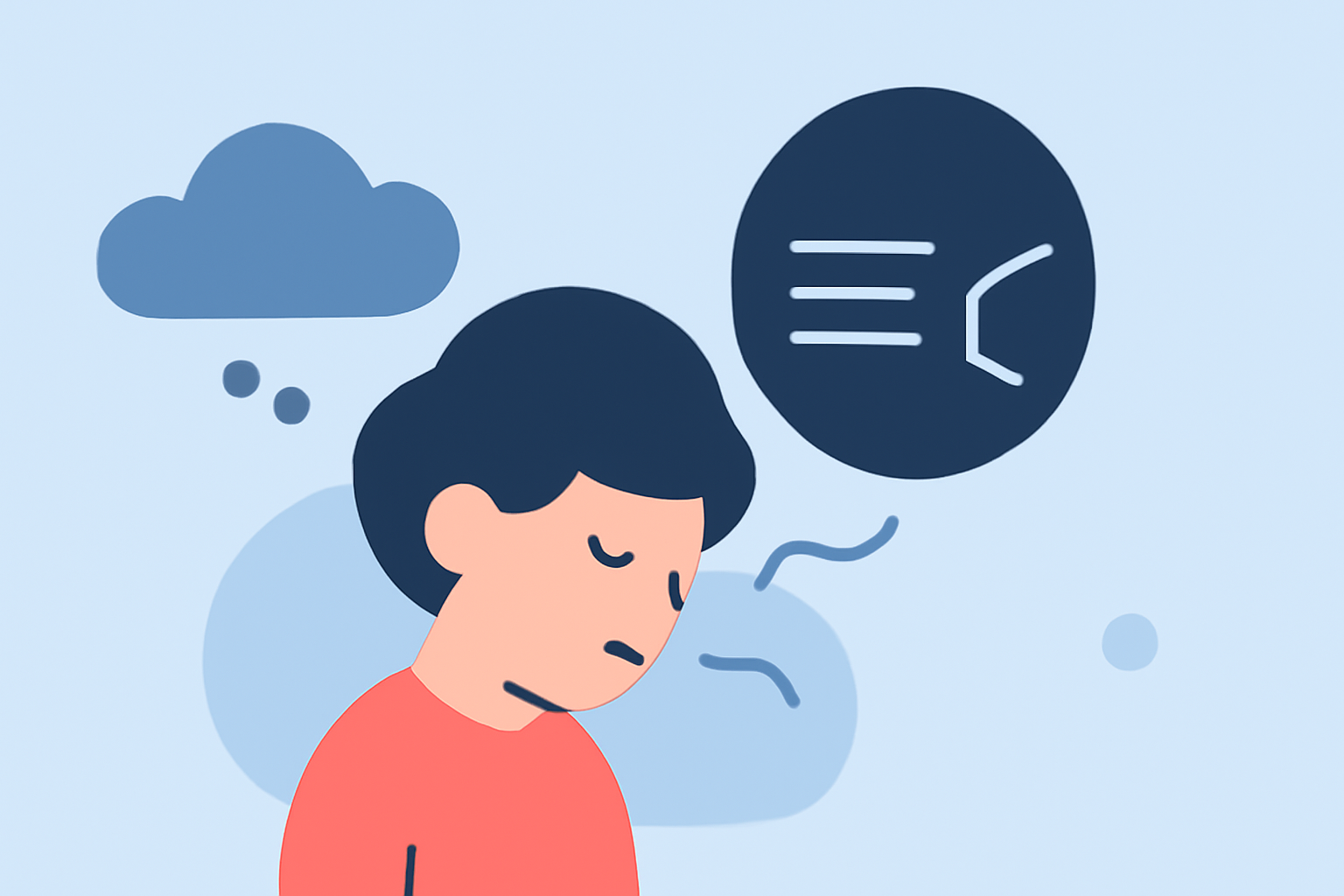
Ensuring your child gets quality sleep is vital for their growth, learning, and overall well-being. However, poor indoor air quality can significantly disrupt their sleep patterns.
How Does Poor Air Quality Affect Children's Sleep?
Children are particularly susceptible to indoor air pollutants due to their developing respiratory systems and higher breathing rates. Exposure to these pollutants can lead to sleep disturbances, including difficulty falling asleep, frequent awakenings, and reduced sleep quality. This disruption can, in turn, affect their cognitive performance, mood, and overall health.
Common Indoor Air Pollutants Impacting Sleep
-
Particulate Matter (PM2.5): Tiny particles from sources like tobacco smoke, cooking, and heating systems can irritate the respiratory tract, leading to sleep disturbances.
-
Carbon Dioxide (CO₂): Elevated CO₂ levels, often due to inadequate ventilation, can cause drowsiness and reduce sleep quality.
-
Allergens: Dust mites, pet dander, and mold spores can trigger allergic reactions, leading to nasal congestion and discomfort during sleep.
Strategies to Improve Indoor Air Quality for Better Sleep
-
Ensure Proper Ventilation: Regularly open windows and use exhaust fans to reduce indoor pollutant levels.
-
Control Humidity: Maintain indoor humidity between 30-50% to prevent mold growth and dust mite proliferation.
-
Use Air Purifiers: Invest in air purifiers equipped with HEPA filters to capture airborne particles.
-
Keep Sleeping Areas Clean: Regularly wash bedding and vacuum carpets to reduce dust and allergens.
-
Avoid Smoking Indoors: Prohibit smoking inside the home to eliminate tobacco smoke pollutants.
How Clime Can Help
Clime offers advanced air quality monitoring solutions that provide real-time data on indoor air pollutants. By integrating Clime's technology, parents can proactively manage their home's air quality, ensuring a healthier sleep environment for their children.
Conclusion
Maintaining good indoor air quality is essential for your child's sleep and overall health. By understanding the impact of air pollutants and implementing effective strategies, you can create a conducive environment for restful and restorative sleep.
Highlights:
- Can Breathing Poor-Quality Air Lead to Poor-Quality Sleep in Children?, Published on Tuesday, February 28
- The impact of poor housing and indoor air quality on respiratory health in children - PubMed, Published on Monday, August 14
- Can Breathing Poor-quality Air Lead to Poor-quality Sleep in Children? | American Journal of Respiratory and Critical Care Medicine, Published on Sunday, November 06