
Understanding the Impact of Poor Air Quality on Sleep
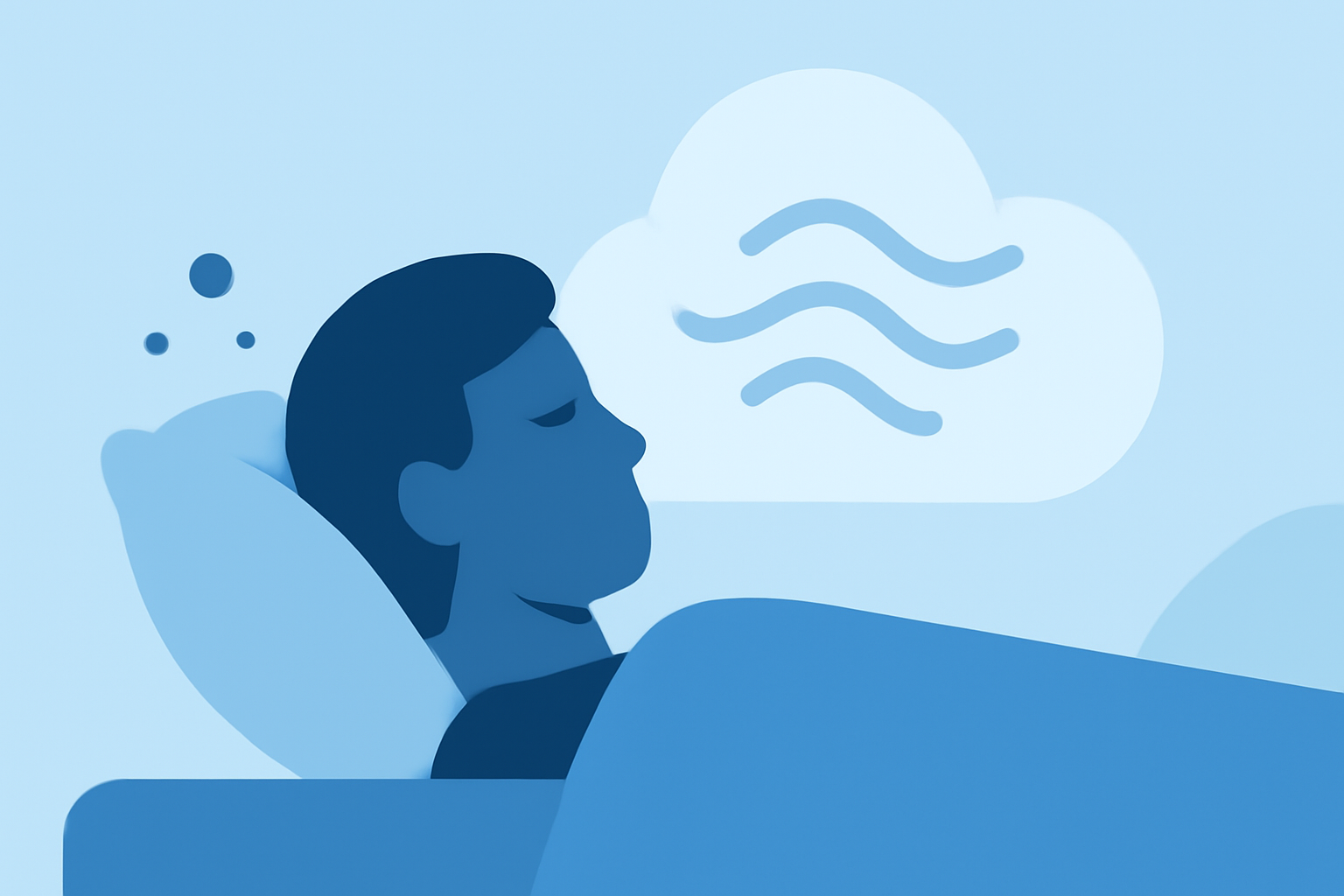
Sleeping in an environment with poor air quality can significantly disrupt your sleep patterns and overall health. Understanding the connection between air quality and sleep is essential for achieving restorative rest.
How Does Poor Air Quality Affect Sleep?
Exposure to pollutants such as particulate matter (PM2.5), nitrogen dioxide (NO₂), and carbon dioxide (CO₂) can lead to various sleep disturbances:
-
Respiratory Issues: Inhalation of pollutants can cause inflammation and irritation in the respiratory tract, leading to symptoms like coughing, wheezing, and nasal congestion, which can disrupt sleep. (clarity.io)
-
Elevated CO₂ Levels: Sleeping in a sealed room can cause CO₂ levels to rise, leading to fragmented and lighter sleep. (tomsguide.com)
-
Allergen Accumulation: Dust mites, pet dander, and mold thrive in environments with poor air quality, exacerbating allergies and causing discomfort during sleep. (scientificorigin.com)
What Are the Consequences of Sleeping in Poor Air Quality?
Consistent exposure to poor air quality during sleep can lead to:
-
Reduced Sleep Quality: Difficulty falling asleep, frequent awakenings, and less restorative sleep stages. (iqair.com)
-
Increased Health Risks: Chronic sleep disturbances are linked to higher risks of cardiovascular diseases, weakened immune function, and cognitive impairments. (pmc.ncbi.nlm.nih.gov)
How Can You Improve Air Quality for Better Sleep?
Enhancing your sleep environment can lead to more restful and rejuvenating sleep:
-
Ensure Proper Ventilation: Allow fresh air to circulate by opening windows or using ventilation systems to reduce CO₂ buildup. (tomsguide.com)
-
Control Humidity Levels: Maintain indoor humidity between 30-50% to prevent mold growth and dust mite proliferation. (usairquality.us)
-
Use Air Purifiers: Invest in air purifiers equipped with HEPA filters to remove airborne pollutants and allergens. (iqair.com)
-
Keep the Bedroom Clean: Regularly dust and vacuum to minimize allergen accumulation. (scientificorigin.com)
-
Limit VOCs: Avoid using products that emit volatile organic compounds, such as certain cleaning agents and air fresheners, especially before bedtime. (shop.smartviewaqi.com)
How Does Clime Help Improve Air Quality for Better Sleep?
Clime offers advanced air quality monitoring solutions that provide real-time data on indoor air quality, enabling you to make informed decisions to enhance your sleep environment. By integrating Clime's technology, you can effectively monitor and improve air quality, leading to better sleep and overall health.
FAQs
Q: How can I tell if my bedroom air quality is poor?
A: Signs include frequent headaches, nasal congestion, coughing, or difficulty sleeping. Monitoring indoor air quality with specialized devices can provide accurate assessments.
Q: Is it safe to sleep with the bedroom door closed?
A: Sleeping in a sealed room can lead to elevated CO₂ levels, which may disrupt sleep. Ensuring proper ventilation is recommended. (tomsguide.com)
Q: Can air purifiers improve sleep quality?
A: Yes, air purifiers with HEPA filters can reduce airborne pollutants and allergens, leading to better sleep quality. (iqair.com)
Q: How often should I clean my bedroom to maintain good air quality?
A: Regular cleaning, including dusting and vacuuming, at least once a week can help maintain good air quality.
Q: Does humidity affect sleep quality?
A: Yes, high humidity can promote mold growth and dust mites, while low humidity can cause dryness and irritation. Maintaining balanced humidity levels is important for sleep quality. (usairquality.us)
Highlights:
- Doctor reveals why keeping your bedroom door ajar at night helps you sleep deeper and for longer, Published on Friday, January 16